
Neighborhood guide
Fountain Square Indianapolis: A Food Neighborhood Guide
Mosey · November 11, 2026 · 4 min read
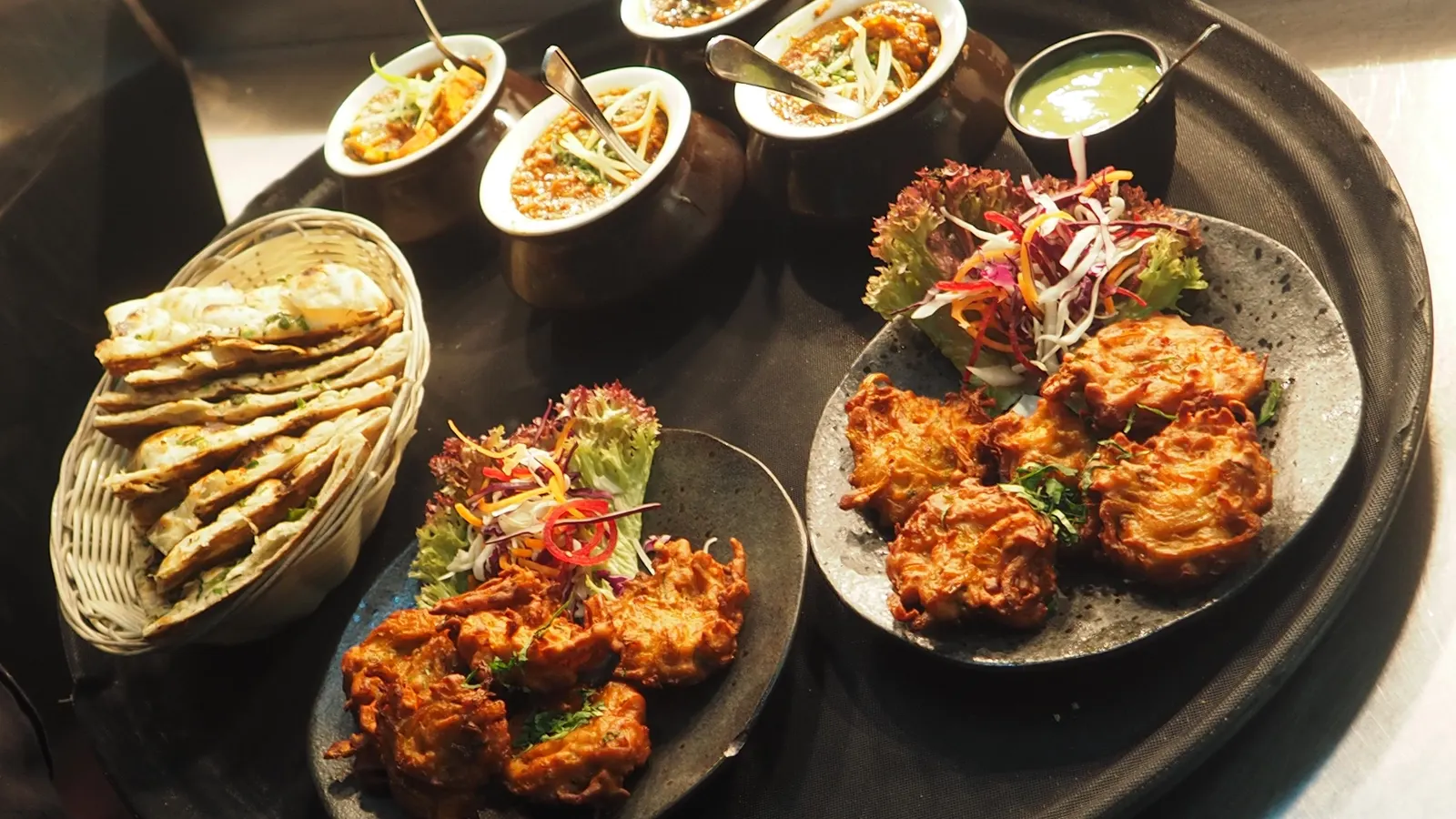
Fountain Square Indianapolis is a historic commercial district southeast of downtown, where Virginia Avenue, Prospect Street and Shelby Street meet. It began as a streetcar terminus and a German shopping district, and today it is known for restaurants, nightlife and offbeat character. Here is how it grew and how to walk it with a plan.
This guide covers the history, the neighboring streets, the Cultural Trail connection and a way to keep notes on a neighborhood walk.
What is Fountain Square Indianapolis known for?
The Encyclopedia of Indianapolis calls it a commercial center for generations. Visit Indy describes the wider Fountain Fletcher District as an eclectic mix of local businesses and venues, minutes from downtown, among the historic neighborhoods of Fountain Square, North Square, Holy Rosary and Fletcher Place, all connected by the trail. It bills itself as offbeat on the trail, and as a destination for one-of-a-kind food, music and urban activity.
Visit Indy also describes Fountain-Fletcher as known for vintage and antique shops, which tells you what kind of walk to expect: small storefronts, older buildings and a mix of eating, browsing and music rather than one big attraction.
How did a streetcar stop grow German bakeries and a food district?
The Encyclopedia of Indianapolis traces the square to the 1860s, when a streetcar company built tracks and a turnaround there. Growth picked up in the 1870s as German families settled nearby in Fletcher Place, and again later in the century with traffic on the Virginia Avenue viaduct. The square was the last stop on the Virginia Avenue streetcar line.
German entrepreneurs were the first to open businesses, including groceries, bakeries, jewelry stores and saloons, followed by Irish, Italian and Danish immigrants. The district kept a distinctly German character well into the twentieth century. In the 1920s it became a cinema theater district, with several theaters operating at once.
What happened to the historic district after the streetcars?
The encyclopedia says the district declined after World War II and with the construction of Interstates 65 and 70 in the 1960s. Revitalization began after it was listed on the National Register of Historic Places. The 1990s brought restaurants, art galleries, retail and live entertainment, and the neighborhood was later recognized as one of the city's cultural districts.
The fountain that gives the square its name was first erected by area merchants in the nineteenth century. The current one, a sculpture of a pioneer family by a local artist, was removed at one point and later returned after a community petition. It is a good meeting point and a reminder that residents shaped the place.
How does the Cultural Trail help you walk it?
Start at the fountain, then walk the streets that run out from it, looking up at the upper floors, where older brick fronts show the district's age. Visit Indy says the trail connects the historic neighborhoods, which makes the route easy to extend or shorten. If you are walking with friends who eat differently, a district with several small kitchens within a short distance lets everyone choose, then meet back at the fountain for coffee or dessert.
Plan one stop for something savory and one for something sweet, and leave time to wander between them. Because the district is also a nightlife and music destination, the feel changes after dark, so a daytime walk and an evening return are quite different experiences. Check each place's own information before you travel, since hours and menus change.
Why is Fletcher Place a good partner for the square?
The German families who settled in the neighboring streets in the 1870s helped drive the square's growth, and the quieter residential blocks give the district a softer edge. The Cultural Trail ties the neighborhoods together on foot or by bike, so a day built around food can treat them as one loop. Bring comfortable shoes, since the loop covers more ground than it looks.
How can Mosey help you keep notes on a walk?
Mosey is a food app built around what you actually eat, not just where you went. After each stop, open the app and rate the dish, adding a few words, a tag and a photo if you like. Only the place and the stars are required. Tag the person you ate with so you can each add your own rating of the same meal.
Start a list for the day, called Fountain Square walk, and send the invite link to a friend so they can add stops, even if they are new to the app. Follow friends to see what they rated and saved, and use Friends' picks on the map when you plan the next outing. The ratings page explains rating by dish. As more people rate, the ranked lists fill with real places.
What else should you read about Indianapolis?
If you like a walkable street, the Mass Ave guide covers another cultural district. The food halls guide and the sugar cream pie guide fit well into the same day. See the Indianapolis page, the Indiana page and the US food guides.
On your next Fountain Square afternoon, open the Mosey app and rate the first plate by name.
Questions
Common questions
Where is Fountain Square in Indianapolis?
The square sits southeast of downtown at the meeting of Virginia Avenue, Prospect Street and Shelby Street. Visit Indy groups it with Fletcher Place, North Square and Holy Rosary as the Fountain Fletcher District.
What is the history of Fountain Square?
The square began as a streetcar turnaround in the 1860s and grew with German settlement in the 1870s. It became a cinema district in the 1920s, declined after the highways of the 1960s and was revived after a National Register listing.
Is Fountain Square a cultural district?
Yes. The Encyclopedia of Indianapolis says the neighborhood was recognized as one of the city's cultural districts. Visit Indy also connects the wider district to the Cultural Trail, which links it with downtown on foot or by bike.
Is Fountain Square good for a food walk?
The district is a compact mix of local businesses, restaurants, shops and live music. Check each place's own information for hours before you go, and plan the walk around a few stops with time to wander between them.
How do I keep track of a food walk with friends?
Mosey is a food app where you rate each dish, keep lists and share them. In Indianapolis, make a list for the day, add tags, send an invite link and follow the friends you ate with to see what they rated.
More like this
Read next
Cheap Eats in Indianapolis: Trucks, Tenderloins, Tacos
A guide to cheap eats in Indianapolis: taco trucks, a cash only hot dog cart, the tenderloin sandwich and how to follow a food truck without missing it.
Gluten-Free Eating in Indianapolis: How to Ask and Plan
A plain guide to gluten-free eating in Indianapolis: where gluten hides in Indiana classics, what to ask the kitchen and how to keep notes you can rely on.
How to Find Good Food in Indianapolis
Find good food in Indianapolis by learning the Hoosier classics, walking a few districts and keeping short notes. Then share lists with friends you trust.
Indianapolis Food Halls: Garage Food Hall and City Market
A guide to Indianapolis food halls: The Garage Food Hall in the Bottleworks District, what is happening at City Market, how halls work and how to order well.
