
How to
Food Allergies in San Jose: How to Ask and Plan
Mosey · November 11, 2026 · 5 min read
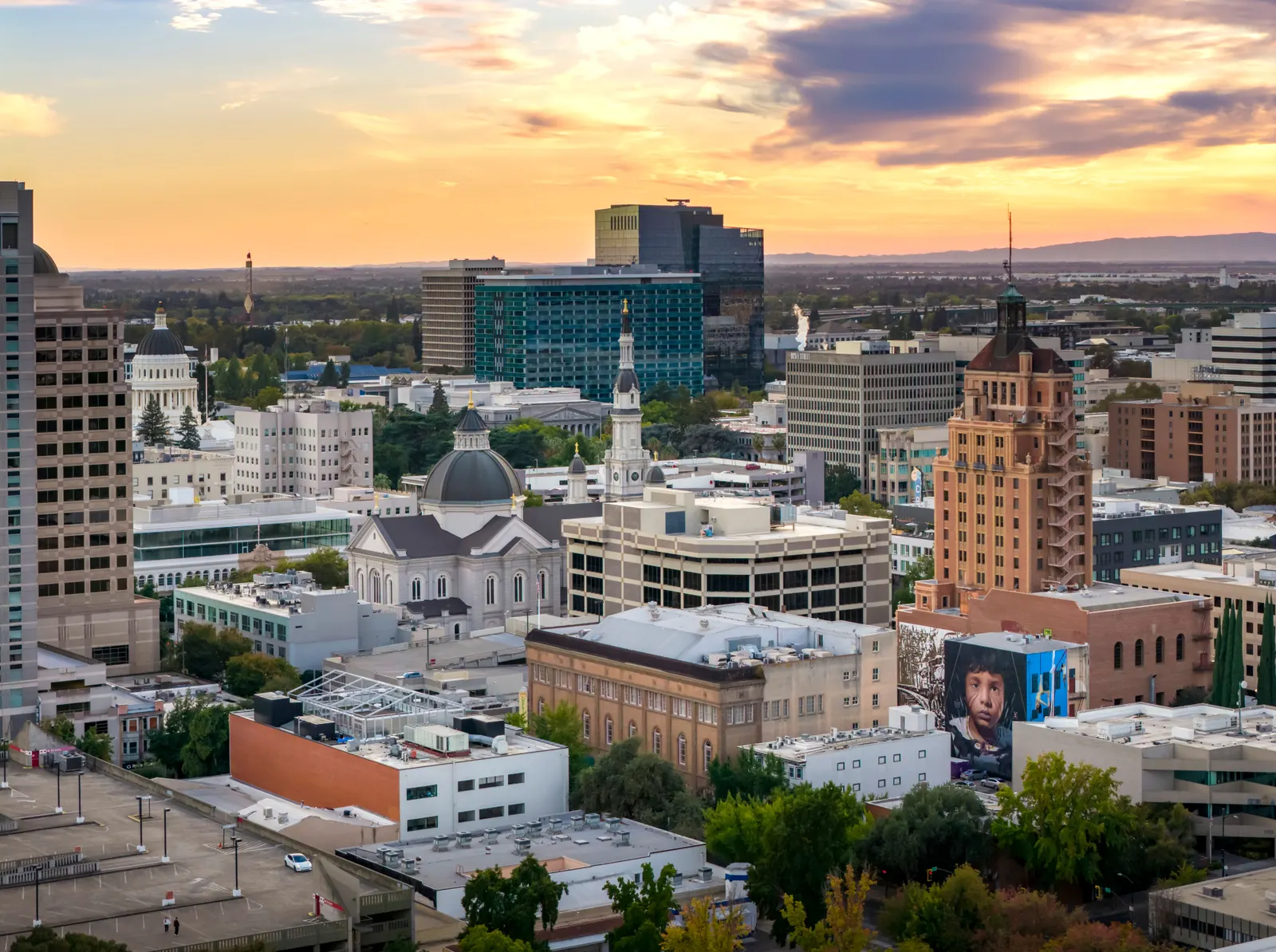
Food allergies in San Jose meet a city of many cuisines, and each one uses its own set of ingredients. The FDA lists nine major allergens in the United States: milk, eggs, fish, crustacean shellfish, tree nuts, peanuts, wheat, soybeans and sesame. Here is how labeling works, where those foods tend to hide and how to ask a kitchen well.
No dish is safe by default, so the skill is asking well. Your own doctor decides what is right for you.
What are the major allergens behind food allergies in San Jose?
The FDA says labeling law originally named eight of them, and that sesame became the ninth on January 1, 2023, under the FASTER Act. On a packaged food, the source of each major allergen must appear at least once, either in parentheses after the ingredient or in a Contains statement. Tree nut types, fish species and shellfish species must be named.
That is a rule for packaged food. The FDA says that advisory statements such as may contain are voluntary. So a label tells you a lot about a product, and a menu tells you much less.
Why is a restaurant menu different from a package?
The FDA says the labeling rules do not apply to food wrapped in a container after a customer orders it. In practice, freshly prepared restaurant food is usually not labeled the way packaged food is, while pre-packaged items sold at a restaurant may be. So the question has to be asked out loud.
A server may not know every ingredient, which is why a clear question and a patient answer matter. Ask whether the kitchen can check with the cook and wait for the reply. If the place cannot answer, choose another dish or another place.
Where might allergens hide in San Jose cuisines?
The city is known for many food traditions, and Visit San Jose lists neighborhoods including Japantown, Little Italy, Little Portugal, Little Saigon, Willow Glen and Downtown. Each has its own common ingredients. For example, Wikipedia says pho broth is finished with fish sauce, and many Southeast Asian dishes carry fish sauce, shrimp paste or peanuts. Soy sauce combines soybeans and often wheat, and noodles and breading may contain wheat.
Italian dishes use wheat pasta, cheese and eggs, Mexican dishes may use cheese, wheat tortillas or nuts in a sauce, and bakeries use milk, eggs, wheat and tree nuts. These are general patterns, so confirm each one with the kitchen. Our pho guide explains one broth and its sides.
How do you talk about cross-contact?
Cross-contact is when an allergen gets into a food through a shared pan, utensil, fryer or surface. Say your allergy plainly before you order, for example: I have a peanut allergy, how is this dish prepared? Then listen for specifics. Does the kitchen use a separate pan and utensils? Is the fryer shared? Are sauces made in advance with nuts or other allergens?
A vague reply tells you something too, and you may decide on a different dish. Keep the exchange friendly and short, and record what you were told along with the date, since kitchens revise their habits.
What do labels on packaged food in a market tell you?
Little Saigon and other districts have grocery stores, and packaged foods there fall under the labeling rule. The FDA says the source of each of the nine must appear on the label, either in parentheses after the ingredient or in a Contains statement. Read the whole label, since sauces, snacks and dried goods imported from other countries may carry labels written for another country's rules.
If a label is in another language, ask a shop worker or use the English panel. A product that does not state its ingredients clearly is a good one to leave on the shelf.
How do you plan a meal ahead of time?
Look at the menu online, then phone when the kitchen is quiet and ask which dishes work without your allergen and how. Pick your order before you arrive and mention the allergy to the host at the door. Carry whatever your own doctor has told you to carry.
If you are eating with a group, tell the table, so no one passes you a shared plate by mistake. Shared plates and family-style meals are common in many cuisines, so ask for your own serving.
How can Mosey help you keep notes on allergen answers?
Open Mosey after a meal and rate the dish, with a line about what the kitchen told you. The place and stars are the only required fields. Add a tag such as Allergen-Friendly, which is a rater's view and never a guarantee, and a photo of the menu line. A friend with the same need can follow you and see what you rated and saved.
Where a place has declared its allergens, the allergen filter on menus and on the Dishes page can narrow what you look at, and each dish shows Contains, May contain or not listed exactly as the place declares it. Not listed means the place has not said, never that a dish is safe, so always ask the place. Build a list called Asked and answered and send the invite link to a friend, who can add stops even if they are new to the app. See the ratings and lists pages.
What else covers San Jose?
For more reading, see the Little Saigon guide, the San Jose page, the California page and the US food guides.
Before your next meal in San Jose, download the Mosey app and note the answer you were given.
Questions
Common questions
What are the major food allergens in the United States?
The FDA lists nine: milk, eggs, fish, crustacean shellfish, tree nuts, peanuts, wheat, soybeans and sesame. Sesame became the ninth on January 1, 2023, under the FASTER Act, which amended the labeling law for packaged foods.
Are restaurant menus labeled for allergens like packaged food?
Not usually. The FDA says labeling rules do not apply to food wrapped in a container after a customer orders it, so most freshly prepared restaurant food is not labeled. You have to ask the kitchen about each dish.
What is cross-contact?
Cross-contact is when an allergen gets into a food through a shared pan, utensil, fryer or surface. Ask whether the kitchen uses separate tools for your dish, and whether sauces or oil are shared with items you avoid.
What should I say when I order?
Say your allergy plainly and ask how the dish is made, for example: I have a peanut allergy, how is this prepared? Listen for details about pans, sauces and oil. A vague answer is a reason to choose another dish.
How can I keep track of allergy-aware places in San Jose?
Mosey is a food app for rating each dish, keeping lists and sharing them. In San Jose, add tags to your ratings, follow friends with the same need to see what they rated and saved, and send a list by invite link.
More like this
Read next
Downtown San Jose Restaurants: What to Eat
Downtown San Jose restaurants include Creole plates, a classic steakhouse, Cuban comfort food, Ethiopian stews and big burritos. What to order and how to pick.
How to Find Good Food in San Jose: A Method
How to find good food in San Jose: pick one area at a time, from Japantown to Little Saigon, taste one dish across stops, then keep notes and share lists.
Japantown San Jose Restaurants: Where to Eat
Japantown San Jose restaurants line Jackson Street and North 6th Street with family-run Japanese kitchens, ramen, Korean seafood pancakes and manju sweets.
Little Saigon San Jose: A Food Neighborhood Guide
Little Saigon San Jose is the heart of the city's Vietnamese community, centered on Story Road. Learn its history, how to walk it and how to keep notes.
