
How to
Food Allergies in Chicago: Pizza, Beef and Hot Dogs
Mosey · November 11, 2026 · 5 min read
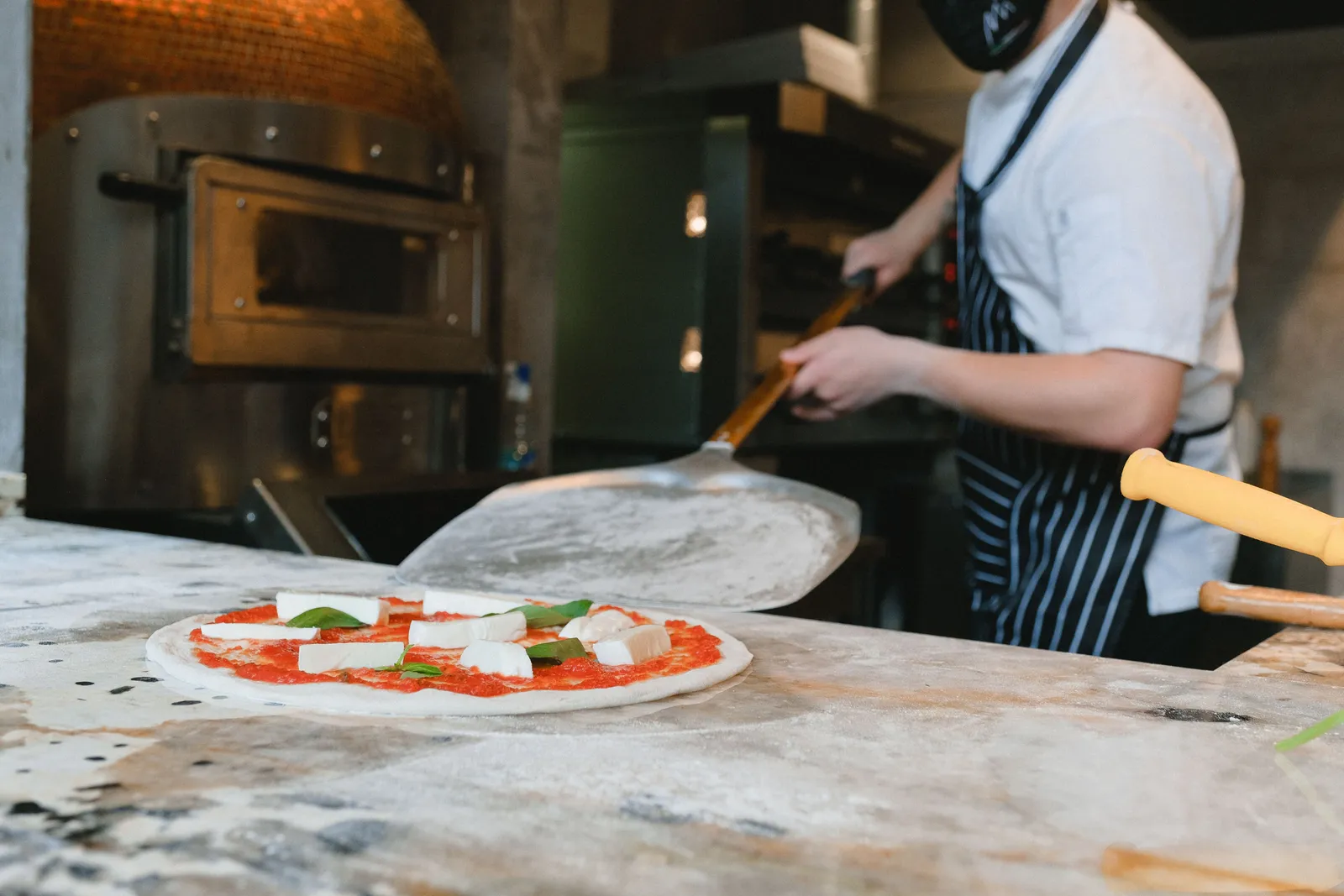
Food allergies in Chicago come up around a handful of famous plates: a deep dish pizza on a buttery crust, an Italian beef dunked in jus and a hot dog on a poppy seed bun. Each is built from ingredients worth asking about before you eat, and the kitchen is the only one who can answer.
What should you know about food allergies in Chicago?
The city's best-known foods use a short list of everyday ingredients: wheat flour, cheese, butter, beef stock, pickled vegetables and seeds. That makes the classics easy to reason about, and it also means one shared ingredient can reach several dishes at once. Kitchens differ, so treat what follows as a map of where to ask. Your own doctor or allergist decides what is right for you.
What can be in a deep dish pizza?
Deep dish was developed in Chicago in the middle of the twentieth century, with a thick crust, sometimes made with cornmeal, a very large amount of cheese and the tomato sauce on top. The earliest recipe used scalded milk and butter in the dough, and later cooks changed to water and olive oil or made a fattier, biscuit-like dough. Two kitchens can therefore differ on milk in the crust.
Flour is wheat, cheese is milk, and sausage or vegetable toppings may carry their own seasonings. The thin crust tavern style is a separate pizza, and it still rests on flour and cheese. Our deep dish and tavern style guide explains the two styles.
What goes into an Italian beef sandwich?
The sandwich is thin slices of roast beef simmered in a thin gravy and served on crusty French bread, topped with hot giardiniera or sweet peppers, and sometimes with mozzarella, provolone or cheddar. The beef is roasted in beef stock with seasonings, then sliced and soaked in the juices. Bread is wheat, cheese is milk, and the jus is a question to put to the cook, since stocks and seasonings vary.
Shops differ on what "dipped", "dunked" and "wet" mean slightly different things in different shops, and that a "combo" adds Italian sausage. When you have an allergy, ask what the jus is made from and whether the peppers are mixed in house. See also the Italian beef and hot dog guide.
Is a poppy seed bun a concern on a Chicago hot dog?
The toppings are yellow mustard, chopped white onions, relish, a dill pickle spear, tomato, pickled sport peppers and a dash of celery salt, all on a poppy seed bun that is high in gluten. Celery salt is there because Chicago once had celery farms nearby.
Here is a local twist. The FDA's nine major allergens are milk, eggs, fish, crustacean shellfish, tree nuts, peanuts, wheat, soybeans and sesame, and celery, mustard and poppy seeds are not on that list. A kitchen that labels by the nine may never mention them, so if one of those is your concern, say its name out loud.
Which words on a Chicago menu deserve a question?
Some words are shorthand that hide ingredients. "Giardiniera" is a pickled relish whose contents differ from shop to shop. "Wet" and "dipped" mean the bread has met the jus. "Combo" means sausage is added. "Everything" on a dog means the full set of toppings. "Stuffed" and "pan" on a pizza menu point to different doughs and a different amount of cheese.
When a word is unfamiliar, ask the person at the counter to say what is in it, and ask who can confirm it with the cook. A short pause for a real answer is a good sign.
How do you ask at a busy Chicago counter?
Counters here move fast, so lead with one sentence: "I have an allergy to milk, so what is in the bread and the sauce?" Name the allergen first, then the dish. Ask whether the grill, the fryer or the slicer is shared with the thing you avoid, and whether the staff change gloves or tongs.
If the answer sounds unsure, choose another plate or another counter, and write down what you were told and the date.
How can the dish filter in the Mosey app help you plan?
In the Mosey app you can pick allergens under "Hide dishes that list", and the app hides dishes a place has listed with them. A dish the place has not filled in stays on the menu, labeled "Allergens not listed, ask the place", which means the place has said nothing, not that the dish is fine. The choice stays on your phone. Treat it as a way to narrow a menu before you talk to the kitchen.
A place can declare its allergens for each dish in its dashboard, and what it declares is the place's own statement.
How do you keep notes on what a Chicago kitchen told you?
Rate the dish after the meal and add a line about the answer you got. A rating needs only a place and stars, and a dish name, tags and a photo can follow. Tags that diners add, such as ones about dietary needs, are one person's note and never a promise. Make a list called Asked at the counter, share its invite link and a friend can add stops even if they are new to the app.
Follow friends who share your needs to see what they rated and saved. The ratings and lists pages explain the steps.
Where else can you read about Chicago food?
Our Illinois page, the Chicago page, the US food guides and the federal rules guide carry on from here. Heading next to Philadelphia? Its soft and seeded breads have a guide of their own.
On your next Chicago meal, open the Mosey app, rate the dish and write down what the kitchen said.
Questions
Common questions
Are celery and mustard on the list of major allergens in the United States?
No. The FDA lists nine: milk, eggs, fish, crustacean shellfish, tree nuts, peanuts, wheat, soybeans and sesame. Celery salt and mustard sit on a classic Chicago hot dog, so a kitchen that labels by the nine may not mention them. If one matters to you, ask by name.
What in a deep dish pizza is worth asking about?
Wheat in the crust, milk in the cheese and sometimes in the dough, and seasonings in the sausage or toppings. Early recipes used milk and butter and later ones changed the fat, so recipes differ. Ask the kitchen what is in the dough and the sauce.
What should I ask about an Italian beef?
Ask what the jus is made from, what is in the giardiniera, and whether the bread, cheese or sausage carries your allergen. Ask whether it is dipped in a shared pot, and whether the staff can confirm the answer with the cook.
Does the poppy seed bun on a Chicago hot dog contain wheat?
A bun is a baked good, and the Chicago dog bun is high in gluten, so wheat is likely. Poppy seeds are not among the FDA nine. For an exact answer on any bun, ask the counter to read the label or check with the baker.
How can I keep track of allergy answers in Chicago with Mosey?
Mosey is a food app for finding what you like in Chicago, rating each dish and sharing lists with friends. Add a note about what the kitchen told you, use tags as one diner's view, follow friends with the same need, and build a shared list that others can join by link.
More like this
Read next
Andersonville Chicago Restaurants: A Neighborhood Guide
A guide to Andersonville Chicago restaurants: the Swedish roots on Clark Street, the pancake house and bakery worth a stop and how to plan an easy day.
Argyle Street Chicago Restaurants: Uptown Guide
Argyle Street Chicago restaurants, from the Red Line stop west: how the Uptown strip works, what to eat first and how to keep notes on the dishes you try.
Become a Local Champion in Chicago
Become a Local Champion in Chicago by rating five places, answering three Top 3 questions and making a list, from deep dish to Italian beef and jibaritos.
Best Banh Mi in Chicago: How to Judge a Sandwich
Best banh mi in Chicago starts with the bread. Learn how to judge a Vietnamese sandwich, what the fillings mean and how to rate each one by the dish.
