
How to
Food Allergies in Boston: Chowder, Fried Clams and Rolls
Mosey · November 11, 2026 · 5 min read
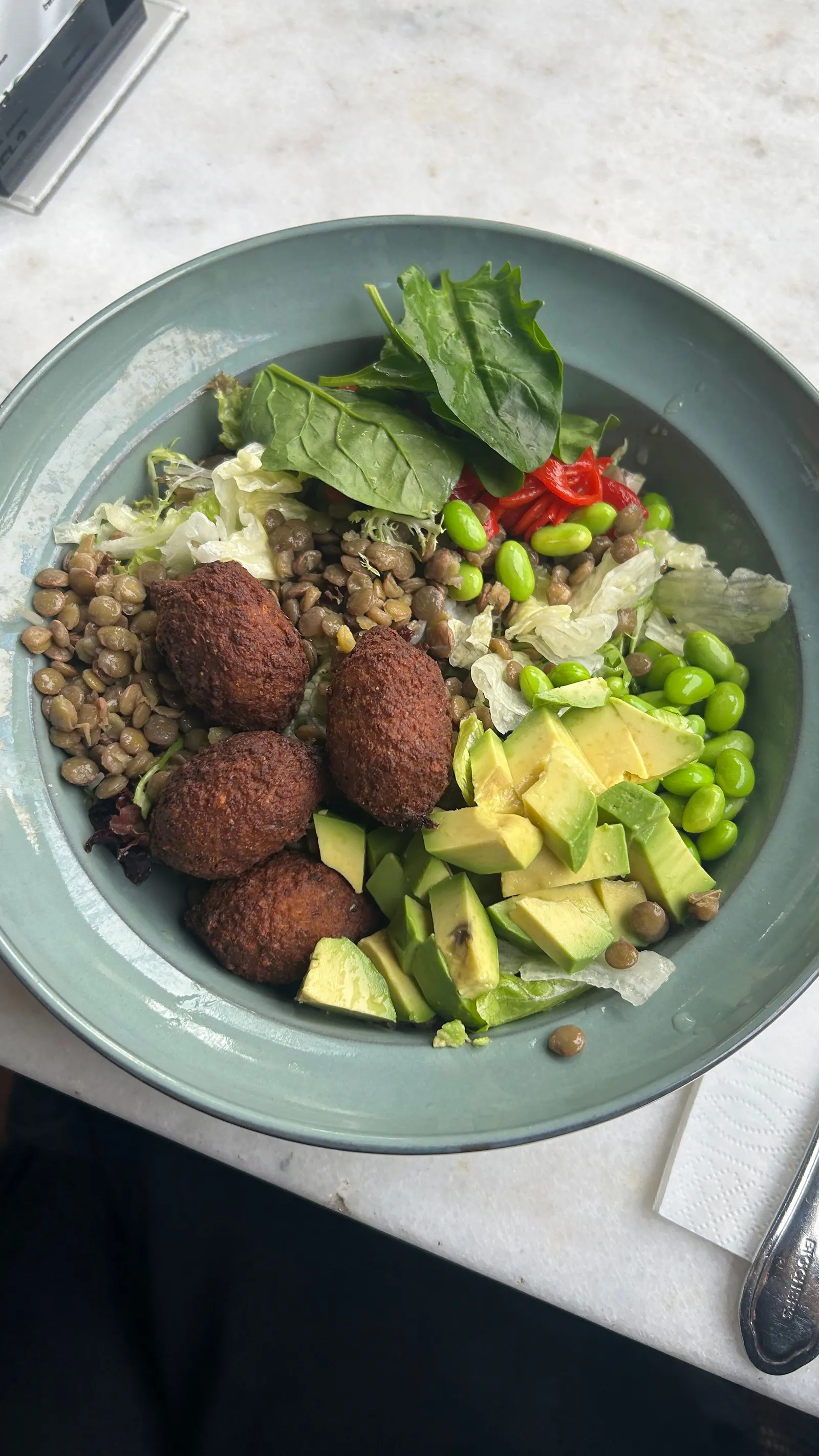
Food allergies in Boston meet a menu of chowder, fried clams and lobster rolls, where milk, wheat, fish and shellfish turn up in the classic versions. A clam is a mollusc and a lobster is a crustacean, and the FDA treats them differently, so even the word "shellfish" needs a follow-up. A plated dish is not labeled like a package.
Your doctor decides what is right for you. Three of the city's best-known dishes follow, each with its allergy question, and one habit makes all of them easier: say what you react to before the order is placed, in plain words, and then listen to the whole answer.
What is in the dishes behind food allergies in Boston?
Wikipedia's article on Boston cuisine lists New England clam chowder, fried clams and Boston baked beans among the best-known dishes, and mentions fish and chips served usually with cod or scrod. Each has a different allergen story, and none of it is visible on a menu line. Our guide to the three dishes covers them in detail.
Work through them one at a time. A chowder house, a seafood shack and a hotel dining room each run their kitchens differently, so the same dish can have a different answer in each.
Does clam chowder contain milk and wheat?
New England clam chowder is milk- or cream-based, made with milk, butter, potatoes, salt pork, onion and clams, and flour or, historically, crushed hard tack may thicken it, with crackers crushed in or served alongside.
So milk is the first question, wheat the second because of the thickener and the crackers, and clams the third. The red Manhattan style has no milk or cream, and Rhode Island's clear style has no milk, butter or tomatoes, but a menu that says only "chowder" does not say which.
What should you ask about the clams that are fried?
Fried clams, per Wikipedia, are clams dipped in evaporated milk, then coated in a mix of flours, and fried in canola oil, soybean oil or lard. That is milk and wheat in the coating, plus an oil question. The usual New England version uses whole soft-shell clams, called whole bellies, while clam strips are the sliced foot of the surf clam.
The fryer is the real cross-contact point. Ask whether they share oil with fish, onion rings or fries, and ask which oil is used. Because clams are molluscs, the FDA says they are not a major food allergen under federal labeling, so a server may not link "clams" with "shellfish" the way you do. Say what you react to in plain words.
How do the lobster roll and fish and chips fit?
The roll is lobster meat in a split bun, served with butter or a mayonnaise dressing. Lobster is a crustacean, and the FDA lists crustacean shellfish such as crab, lobster and shrimp as a major allergen. The dressing may add egg, the butter adds milk, and the roll adds wheat, so the usual questions apply to each part. Our guide to the styles explains how they differ.
Fish and chips has two questions: the fish, which may be cod or scrod, and the batter, which is a wheat question and sometimes an egg or milk one. Ask whether the fries share the fryer with the battered fish.
What about baked beans and the rest of a Boston menu?
Wikipedia lists Boston baked beans among the city's best-known dishes. A pot of beans is slow-cooked and seasoned in the kitchen, so the ingredients are the cook's own, and the question is the same as anywhere: what is in the sauce, what is it cooked with and what shares the pot. Bread, rolls and pastries on the side are baked goods that routinely carry wheat, milk and eggs, and some carry nuts. A bread basket or a bakery case is a good moment to ask about the tray before you take a bite.
How do you ask about cross-contact in a busy kitchen?
Cross-contact is when an allergen gets into a food through a shared fryer, pan, utensil or surface. A short, specific question works best.
- Is my food cooked in the same oil as the clams or the fish?
- Can you use a clean pan and a clean utensil?
- Is the chowder served with crackers by default, and can I skip them?
The FDA says the federal labeling law does not address advisory statements such as "may contain", which are voluntary. A silent menu is not an answer, so wait for the cook's.
How can Mosey help you keep notes in Boston?
Rate the dish you ate and add the answer to the note: the thickener, the oil, the dressing. Tags are one diner's note, never a promise. Follow friends who avoid the same foods and their rated and saved dishes sit beside yours, and a shared list keeps the questions from the whole group in one spot.
The app can also hide dishes whose place has listed an allergen you pick, such as milk or wheat. A dish with nothing filled in stays visible and says it is not listed, the filter does not touch places, and the choice stays on your phone. See ratings and lists.
What else covers Boston?
More reading: the New Orleans allergy guide, the shellfish allergy guide for Providence and the US food guides.
Mosey costs a place nothing to list, has no hidden fees and offers affordable tools, so neighborhood kitchens can spend more time on cooking. A place can declare its allergens for each dish in its own dashboard.
Eating your way across Massachusetts? The Food in Massachusetts page links every town we cover.
Before your next chowder in Boston, get the Mosey app, rate the dish and keep the answers in a list.
Questions
Common questions
Does New England clam chowder contain milk?
Wikipedia describes it as a milk- or cream-based chowder, so milk is the usual starting point. Red Manhattan chowder has no milk or cream, and Rhode Island clear chowder has no milk. Ask which style your bowl is.
Is a clam a shellfish for an FDA allergen label?
The FDA lists crustacean shellfish such as crab, lobster and shrimp as a major allergen, and says molluscan shellfish such as clams and oysters are not. Tell the kitchen exactly what you react to, since people use "shellfish" for both.
What are fried clams coated in?
Wikipedia says the clams are dipped in evaporated milk and coated with some mix of flours, then fried in canola oil, soybean oil or lard. That means milk and wheat in the coating. Ask about the oil and the shared fryer too.
What should I ask about a lobster roll?
Lobster is a crustacean, which the FDA lists as a major allergen. Ask about the dressing, which may hold egg, the butter, and the roll, which is wheat. Ask whether the preparation surface is shared with other seafood.
How can I find good food in Boston and share my allergy notes with friends?
Mosey is a food app for finding, rating and sharing dishes. In Boston, rate each dish with a note about the answer you got, add tags as one diner's note, follow friends and share a list with them.
More like this
Read next
Beacon Hill Boston Restaurants: A Neighborhood Guide
A guide to Beacon Hill Boston restaurants: Charles Street cafes and a diner, Italian dinners, brunch lines and how to plan around the hills and brick sidewalks.
Become a Local Champion in Boston
Become a Local Champion in Boston by rating five places, answering three Top 3 questions and making a list, from North End bakeries to Chinatown dim sum.
Best Lobster Rolls in Boston: Hot, Cold and Fried
A guide to the best lobster rolls in Boston: hot buttered or cold with mayo, the shops and seafood houses worth a stop and how to order one well.
Best restaurants near me in Boston: a neighborhood guide (2026)
There is no single best restaurant in Boston. Find a good meal near you by neighborhood, kind of meal and price, and check what is good right now.
