
How to
Eating Alone at a Restaurant and Enjoying It
Mosey · November 11, 2026 · 5 min read
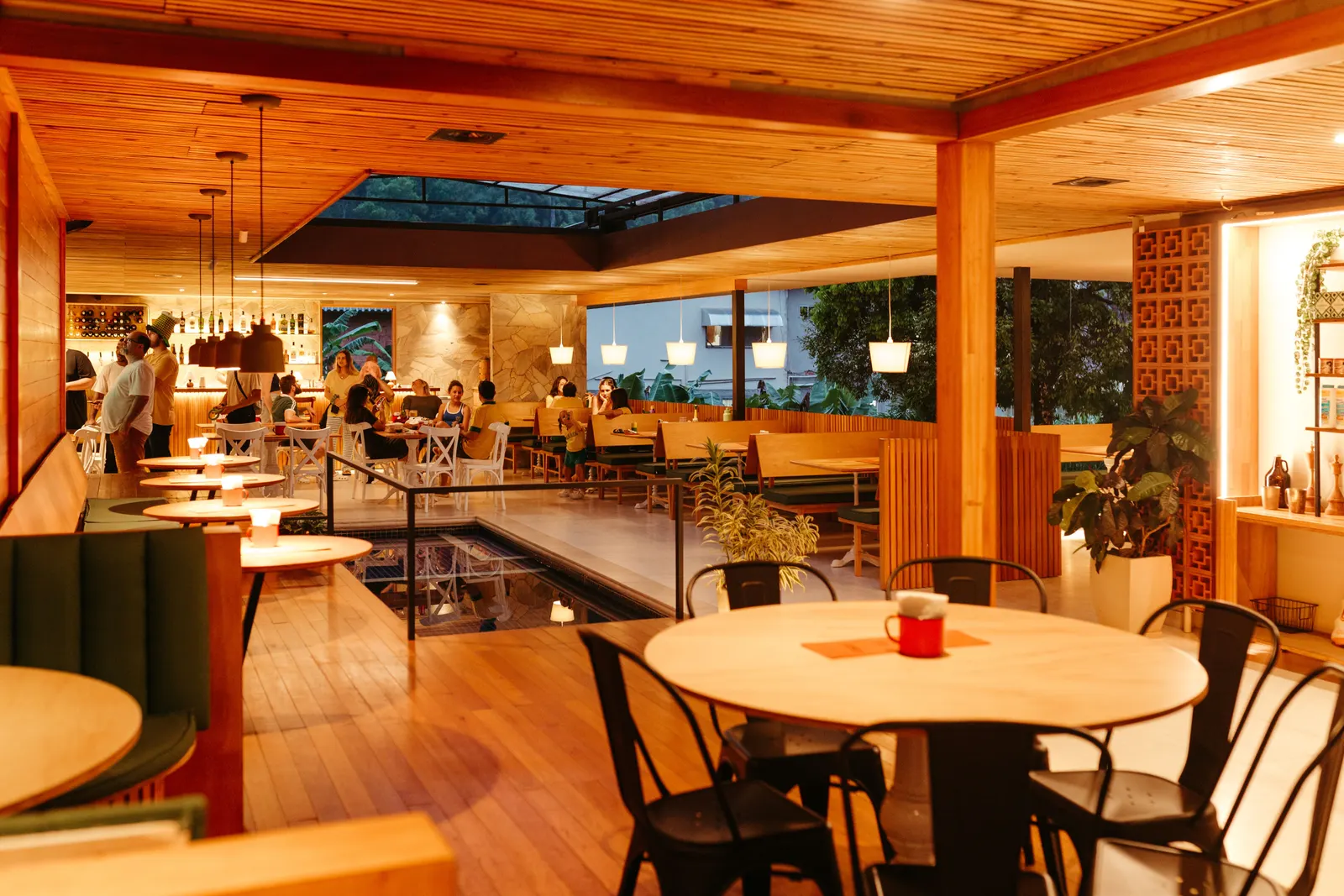
Eating alone at a restaurant gets easier the first time you do it and better every time after. Pick a place with a counter or a bar, go before the rush, bring a paperback or nothing at all, and rate the dish in Mosey while you still taste it.
Why is eating alone at a restaurant such a good idea?
A solo meal gives you the whole menu. You can order the dish nobody else would share, sit where you like, take as long as you want and pay attention to the food. Many people find they notice more when alone, the texture of the bread, the way a sauce is seasoned, how the room sounds at six o'clock compared with eight. A solo dinner is an inexpensive way to practice paying attention.
It is also practical. Travelers, people working late, parents on a rare free evening and anyone whose friends are busy all deserve a proper meal, not a sandwich eaten over a laptop. The awkwardness most people expect before the first time is mostly in their heads. Staff see solo diners all day, and a table for one is routine.
Solo dining tips for the first time
Choose a place that makes it easy. Counters, bars and communal tables are built for one, because you are seated next to the action and nobody expects conversation. A noodle shop, a diner counter, a sushi bar or a deli with a few stools are all good starts. Go early, around five or in the mid-afternoon, when staff have time and the room is calm.
Tell the host at the door that it is one, and ask for the counter if you would like it. Order as you like, including a starter and a dessert; there is no rule that a solo diner should rush. Bring a paperback, a notebook or nothing, and put the phone away for the first course. If a stranger starts a conversation, enjoy it or smile and return to your plate.
Where to sit when dining alone
A seat at the counter gives you a view of the kitchen and a natural place to look. A window table suits a long, quiet meal with a book. A corner table lets you watch the room. Avoid the table by the door or the one next to the kitchen pass, which are noisy, and be willing to move if a table opens that suits you better.
If you are choosing between seats and the place is not busy, ask the host which they recommend. They know the room. In a crowded place, a counter seat is often free when tables are not, which is another reason to try it. Sit where you will enjoy the next hour, because your comfort matters more than looking busy.
What does the Solo Dining tag mean?
Solo Dining is one of the occasion tags people can add to a rating. It records that the person rating ate alone, so it is a clue that the visit worked for one, and nothing more. It does not promise a counter, a quiet room or a welcome. Use it as a reason to look at a place, then judge for yourself when you get there.
Other tags help too: Quick Service for a fast bite, Great Coffee for a long afternoon, Hidden Gem for somewhere you would not have found. The tags are people's own words about a visit, never a guarantee, and they let you look for the kind of place you want in the Find sheet.
How do you rate what you ate on your own?
Solo meals are the best ones to rate, because you have nothing else to think about. In Mosey, the rating screen asks what you are having, and you add each dish as it arrives. Then it asks how it was, with stars and tags. Add a line in your own words, and a photo if you like. You can finish later if your food has arrived.
Over time, your solo ratings become a map of what you like when no one else is deciding. Tag each one Solo Dining, and the pattern appears. If you tag the occasion, other people who eat alone benefit, and you earn progress toward a badge for that kind of occasion. You can also keep a private list of solo favorites, with a note on which seat to ask for.
Making a habit of a table for one
Pick one evening a week or a month and make it yours. Keep a list called "Just me" with the places you want to try and a note on what you plan to order. Add places as you hear of them, and tick them off by rating them. The wish list guide shows how, and the guide to keeping track of every place you have eaten explains where the ratings go.
If you travel for work, a list for each city saves time on the road. The new city guide covers a first visit.
How solo diners help the places they choose
A person eating alone often fills a seat that would otherwise be empty at a quiet hour, and a short, honest rating tells the next solo diner what to order. Mosey is free for a place to list, has no hidden fees and keeps its tools affordable, so what you write supports local places directly. Supporting local can be one chair, one plate and one rating.
See how ratings work in the app, or browse the US food guides for a place to start.
Get the Mosey app, pick a counter seat this week, and rate the first dish you order.
Questions
Common questions
Is it weird to eat alone at a restaurant?
No. Staff see solo diners every day, and a table for one is routine. A counter, a bar or a window seat makes it easy. Go at a quiet hour, bring a book or nothing, and treat the meal as time for yourself.
Where should I sit when eating alone?
A counter or bar seat is the easiest, because it is built for one and gives you something to watch. A window table suits a long meal with a book. Avoid seats by the door or the kitchen pass, and move if a better one opens up.
When is the best time to eat alone?
Early evening or mid-afternoon, before the rush. Staff have more time, the room is calm and a counter seat is more likely to be free. Late weeknights are also quiet in many places, though kitchens may close early, so ask the place.
What does the Solo Dining tag tell me?
The tag records that the person who rated the place ate alone, so it is a clue the visit worked for one. It does not promise a counter, a quiet room or a particular welcome. Judge the place yourself and ask the staff if you need to know.
How do I remember good places for a solo meal?
Mosey is a food app for rating what you eat by the dish, keeping lists of your favorite seats and sharing them. Rate each dish you eat alone, tag the visit Solo Dining, keep a list of places for one, and follow people whose taste you trust to see what they save.
More like this
Read next
A 48 Hour Food Weekend Plan With a Shared List
Plan a 48 hour food weekend in any town with one shared list: sections for each meal, notes from everyone, ratings as you go and a list to keep afterward.
Anna Maria Island Restaurants: Pier, Beach and Sunset
Anna Maria Island restaurants range from a fishing pier to a toes-in-the-sand sunset spot. Meet four places and plan a day from breakfast to dinner.
Eating out in Arizona: summer heat, winter visitors and spring training
Arizona restaurants run on two seasons. How to eat out in 110 degree summers, when winter and spring training crowds make reservations essential, and how to time patios, misters and late dinners.
Armenian and Middle Eastern Food in Fresno
Armenian and Middle Eastern food in Fresno means shish kebab, lamb chops and chicken shawarma wraps. Dishes to look for and how to compare them.
