
Food culture
Connecticut lobster rolls: warm butter versus cold mayo, and how to order
Mosey · November 11, 2026 · 5 min read
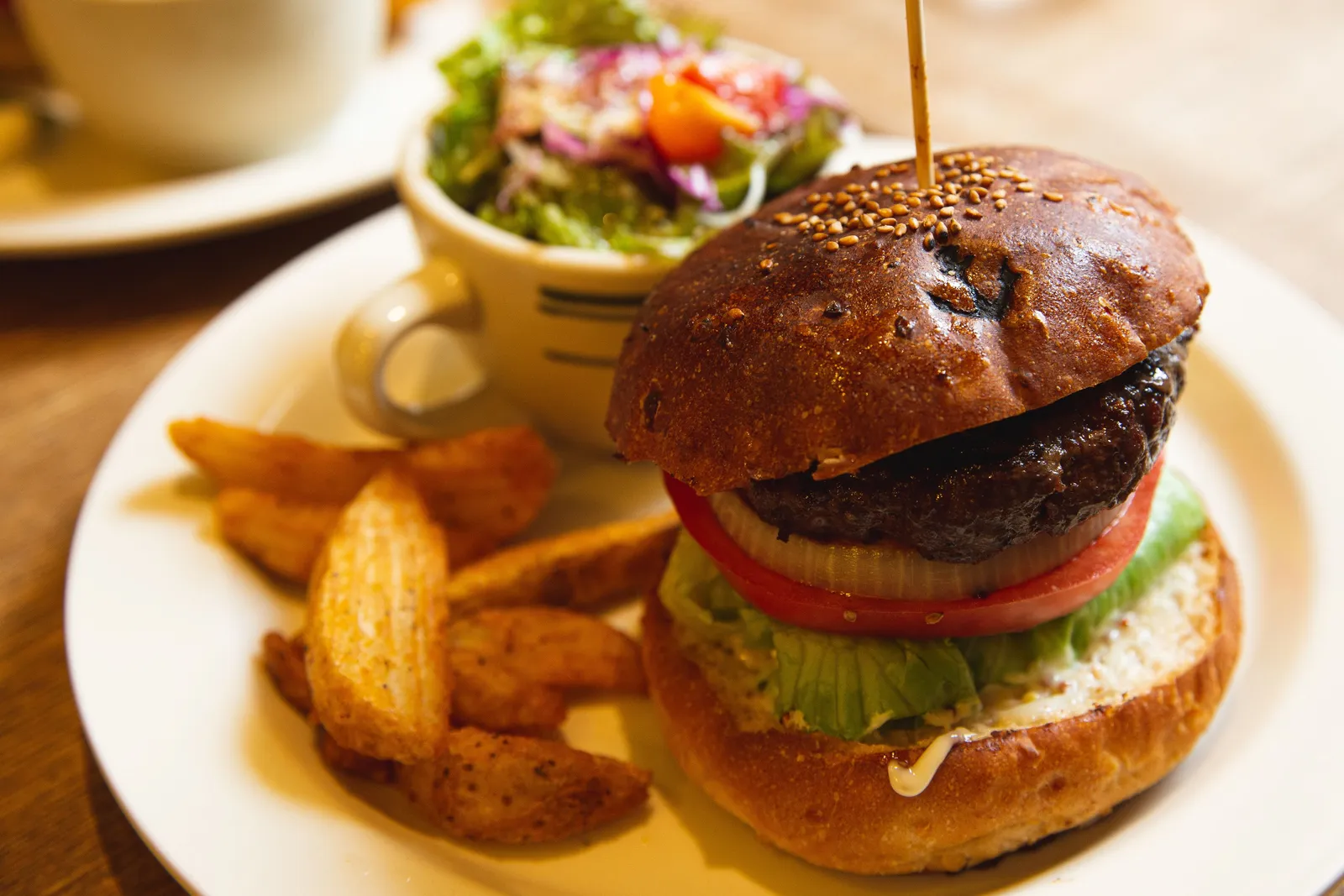
Ask for a lobster roll in Connecticut and you will probably get warm lobster meat dressed with melted butter, piled into a toasted, split-top bun. Ask in Maine and you will get cold lobster in a light mayonnaise dressing. The two styles have fans who argue about it every summer. Know the difference, the origin claim and how to order, and you can join the argument.
What is a Connecticut-style lobster roll?
The Connecticut style is simple: chunks of lobster meat, warmed gently and tossed in melted butter, on a buttered and toasted bun, sometimes with a squeeze of lemon. There is no mayonnaise, celery or other filler. The warmth and the butter make it rich, and the bun is usually a split-top roll that holds the meat. Sides are fries, coleslaw, pickles and a cup of clam chowder. A few places add a little seasoning or herbs, but the butter is the signature.
How is it different from a Maine lobster roll?
The Maine roll is cold lobster salad, lightly dressed with mayonnaise, lemon juice and seasonings, on a toasted bun. The differences are the temperature and the dressing: warm and buttery against cool and creamy. Fans of the Connecticut roll say the butter lets the lobster flavor come through. Others prefer the cold salad. There is no wrong answer, and if you are in Connecticut, order the local style.
Who invented the lobster roll?
The origin is disputed. The most common claim is that a restaurant in Milford, Connecticut, created the roll in the 1920s for a regular customer. Maine advocates dispute the Connecticut claim, and the truth is lost in the telling, so enjoy it as a local story.
Where do you find one?
Look along the shoreline, from Milford and Madison to Mystic, in clam shacks, seafood markets and restaurants with a dock view. Many shacks are seasonal, from Memorial Day to Labor Day or into October. Mystic and the shoreline have a guide of their own.
What does a lobster roll cost?
Prices vary with the lobster market and the season, and a roll is among the most expensive casual meals you can order. A "market price" on a menu means the price changes daily, so ask. Portions differ: some rolls hold a quarter pound or less of meat, others half a pound or more. Ask how much meat comes in the roll if the menu does not say. Connecticut adds a meals tax to your check, and tip 18 to 20 percent at table service.
How do you order well?
Ask whether the lobster is fresh or frozen, whether it is served warm or cold and whether you can have butter on the side. Ask for a toasted bun. Add a side of coleslaw for contrast. If you want both styles, ask whether the restaurant offers a cold version too, and split the order with a friend. Eat the roll while it is hot.
What about shellfish allergy and other dietary notes?
Shellfish is a major allergen, and fryers and kitchens at seafood shacks share oil and surfaces. If you have a shellfish allergy, do not rely on a shack's assurance, and choose another restaurant. A lobster roll contains wheat in the bun, butter (dairy) and shellfish. There is no gluten-free version unless the restaurant offers a lettuce wrap or a gluten-free bun. Pregnant women and others who are advised to avoid certain seafood should follow their doctor's advice.
When is the best season?
Summer is the peak, with fresh lobster and all the shacks open. Early fall is good and less crowded. Winter and early spring have fewer open shacks and sometimes frozen meat. If you want the full experience, aim for July through September, and call ahead to check whether your chosen place is open.
If you want to make one at home, the method is short. Steam or poach a live lobster, or buy cooked meat from a fish counter, and pull the meat into large chunks. Melt a few tablespoons of butter in a pan over low heat, add the meat and warm it gently for a minute or two without boiling. Toast a split-top bun in butter on a griddle until golden. Fill the bun, squeeze a little lemon on top and eat at once. The simplicity is the point: the quality of the lobster and the butter does most of the work. Buy from a seafood market you trust and ask when the lobster came in.
How do you settle the warm-versus-cold lobster roll argument?
The only fair way to compare a warm roll with a cold one is to eat both and write it down. In the Mosey app, rate each lobster roll by the dish, so a roll at one shack is judged against another roll and not against the whole menu. Add a tag such as Fresh Seafood or Worth the Trip, build your own Top 3 of Connecticut lobster rolls, and share the list with the friend who swears by Maine. Follow friends who spend every summer on the shoreline.
Rate your next lobster roll in the Mosey app and put the winner at the top of your list.
More guides to read next:
- Best restaurants near me in Connecticut: a regional guide (2026)
- Connecticut steamed cheeseburgers: what they are and how to order one
- Connecticut farm stands and orchards: a fall food guide
More in the US food guides and the ranked lists of places.
Questions
Common questions
What is the difference between a Connecticut and Maine lobster roll?
Connecticut serves warm lobster with melted butter. Maine serves cold lobster with mayonnaise.
Who invented the lobster roll?
The most common claim is a restaurant in Milford, Connecticut, in the 1920s. Maine disputes it, and the details vary.
Is a lobster roll expensive?
It is often one of the priciest casual meals. Prices change with the market.
Are lobster rolls available all year?
Many shacks are seasonal, so check hours, especially from November to April.
Can I have a lobster roll if I am allergic to shellfish?
No. Seafood kitchens share oil and surfaces, so choose another restaurant.
More like this
Read next
Adams County Apples and Cider Near Gettysburg
Adams County apples grow in the orchards around Gettysburg: varieties, cider, pies and doughnuts, how to visit a farm market and how to rate what you taste.
Amherst Cider Donuts: Orchards, Farm Stores and Fall Pies
Amherst cider donuts and the fall farm season around them: what a cider donut is, where the valley makes them, how apple picking works and what to bake after.
Appalachian Food: Pepperoni Rolls, Ramps and Beans
A guide to Appalachian food: the West Virginia pepperoni roll, wild ramps, soup beans and cornbread, apple stack cake and how to find them on a mountain drive.
Arizona food festivals: Tucson Meet Yourself, Scottsdale and more
A guide to the long-running food festivals in Arizona, from Tucson Meet Yourself in the fall to the Scottsdale Culinary Festival in spring, and how to plan for each.
