
City guide
Food Worth a Drive in California: Coast and Valley
Mosey · November 11, 2026 · 5 min read
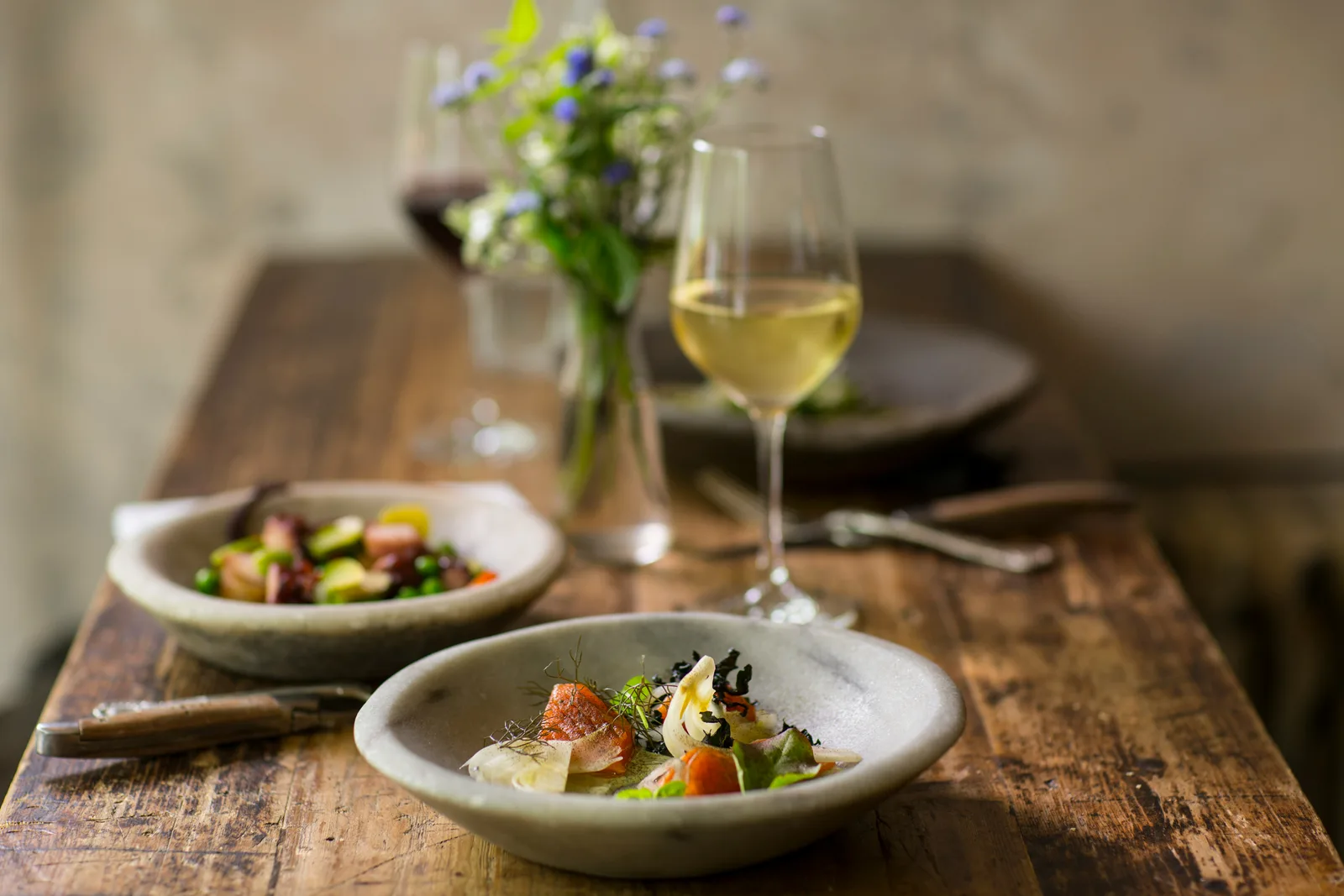
Food worth a drive in California starts with a problem: the state is so large and its cooking so varied that a single route cannot hold it all. Pick a thread. On the coast, oyster farms and old taverns sit beside Highway 1; inland, the Central Valley sells fruit and nuts from roadside stands.
What counts as food worth a drive in California?
A place earns the drive when the food is tied to where you are. An oyster eaten a few miles from the water, a fruit picked that morning or a pie baked by a family that has run a tavern for generations: these meals taste of their setting and cannot be moved. In a state where a five-hour drive is routine, that is the standard to apply.
Pick one region and give it a full day. Mixing three regions leaves you in the car, and the best meals reward a slow pace. Small places in rural California often keep short schedules, so aim for lunch rather than the late afternoon.
Be realistic about distances. Los Angeles to San Francisco is a long day by freeway and a much longer one along the coast, and a detour to a farm stand can add an hour. Treat the drive as the point of the day, not an obstacle, and pick a meal at each end instead of trying to sample every stop.
Which Highway 1 food stops are worth the detour?
Highway 1 food starts in Pescadero, where a family-run coast tavern is known for its cream of artichoke soup, olallieberry pie and cioppino.
Farther north, an oyster farm on Tomales Bay in Marshall grows and serves oysters, and a sustainable farming story goes with them. Pair a coastal drive with an oyster stop, and bring a cooler if you want to take shellfish home. The road winds, so allow more time than the map suggests.
Pescadero itself is a small town with a bakery, a farm stand and a beach a few miles away, and a morning here can include a walk on the sand before the artichoke soup. Fog is common on this stretch of coast, so a jacket is useful even on a day that begins warm.
Where are the best California farm stands?
California farm stands appear wherever crops grow, and they are among the best reasons to leave the freeway. Look for hand-painted signs, honor boxes and tables under tents. Stone fruit, citrus, avocados, dates, almonds and strawberries all have stands in their growing regions, and the freshness is hard to match in a store.
Ask the seller what is best this week and take a taste if offered. Carry cash and a cooler. Ripe fruit bruises easily, so pack it gently, and eat it within a day or two. The California farmers market seasons guide explains what ripens when.
What is Central Valley food like?
Central Valley food is farm food. The valley runs for hundreds of miles between the coast ranges and the Sierra, and its cities, from Sacramento to Bakersfield, feed on what grows around them. Sacramento calls itself America's Farm to Fork Capital, and you can read more in the guide to farm to fork in Sacramento.
Expect Mexican food, Basque dinners, Armenian bakeries, Hmong markets and steakhouses. Towns off the main road can surprise you. Ask a gas station attendant or a farm stand seller where they eat, and follow the answer.
Is the Santa Maria barbecue tradition worth a stop?
Santa Maria style barbecue is a regional tradition of large cuts of top sirloin or tri-tip, seasoned with garlic, salt and pepper and cooked slowly over red oak coals. Family steakhouses in the area serve the style, and the rib-eye is the other order to know.
Sides are part of the tradition: pinquito beans, salsa, salad and garlic bread. If you are driving the coast between Los Angeles and San Francisco, the barbecue towns make a good lunch stop.
How do you plan a road trip meal in California?
Choose a start time that avoids traffic. Leave before dawn from Los Angeles or the Bay Area, or after the morning rush. Eat lunch at the destination, not before, so you arrive hungry. Pack water, snacks and a cooler for farm purchases.
Fuel is expensive and distances are long, so build in a buffer. A twisty coastal road can double the travel time. Cell service can drop in rural areas, so download a map and note the address before you lose signal.
What are the best seasons for a California food drive?
Spring brings strawberries, artichokes and wildflowers. Summer is the season for stone fruit, tomatoes and corn. Fall offers apples, grapes, pomegranates and pumpkins, and winter is the season for citrus. The coast is foggy in early summer and clear in fall, and the valley is hot in July and August.
Pick the season for your favorite crop and check a current harvest report. The weather affects ripening, and a late frost or an early heat can shift the schedule.
Where can you read more?
For another part of the state, read the Los Angeles farmers markets guide or the California regional foods guide. The US guides page lists every city and state.
How do you keep track of a California road trip?
A road trip packs a lot of meals into a short time. With the Mosey app you rate each stop along the way by the dish, so the artichoke soup, the tri-tip and the stone fruit from a roadside table are all saved with the season you ate them.
Add a tag such as Farm Producer for the stands, build a California list and share the invite link with whoever shares the driving. Rate your next stop in the Mosey app.
Questions
Common questions
What should I order at a Pescadero tavern on Highway 1?
Pescadero's family-run coast tavern is known for olallieberry pie, artichoke soup and cioppino. It sits on the coast road south of San Francisco and makes a classic stop on a drive along Highway 1.
Where can I buy oysters on Highway 1?
Tomales Bay is oyster country, and the farms there grow and serve their catch. Plan to eat oysters within a few miles of where they grew, which is the point of the drive.
What is Santa Maria style barbecue?
Santa Maria style barbecue is beef, often top sirloin or tri-tip, seasoned lightly and cooked over red oak coals, then served with beans, salsa and bread. It comes from the south of the Central Coast and is the classic California barbecue.
What's the best way to keep track of California food stops and share them with friends?
Mosey is a food app for finding places to eat through people whose taste you trust, and for rating the ones you love by the dish. Rate each California stop by the dish, add a tag such as Farm Producer, and share a list. Follow friends to see what they rate.
Should I bring cash to California farm stands?
Yes. Many small California farm stands take cash only or use an honor box, so carry small bills. Summer and early fall have the widest choice of produce, but each season has its crops.
More like this
Read next
Food Worth a Drive in Alabama: Barbecue to the Gulf
Food worth a drive in Alabama, from white sauce chicken in Decatur to ribs in Tuscaloosa and Gulf oysters in Mobile, with three routes and tips for each stop.
Food Worth a Drive in Alaska: Seward Highway and Homer
A guide to food worth a drive in Alaska: Anchorage restaurants, Girdwood on the Seward Highway, fresh fish in Homer and where to stop in Seward.
Capital Region food: Albany, Troy and Saratoga Springs
A guide to eating around Albany, Troy and Saratoga Springs: the Troy waterfront farmers market, Saratoga race-season reservations, Albany neighborhoods and how far ahead to book.
Alberta Arts District food guide: where to eat on NE Alberta Street
A guide to eating on Northeast Alberta Street in Portland: brunch, taquerias, ice cream, the Last Thursday street fair, and how to plan a visit around the weather and the crowds.
