
City guide
Austin Farmers Markets and Food Halls: Where to Go
Mosey · November 11, 2026 · 5 min read
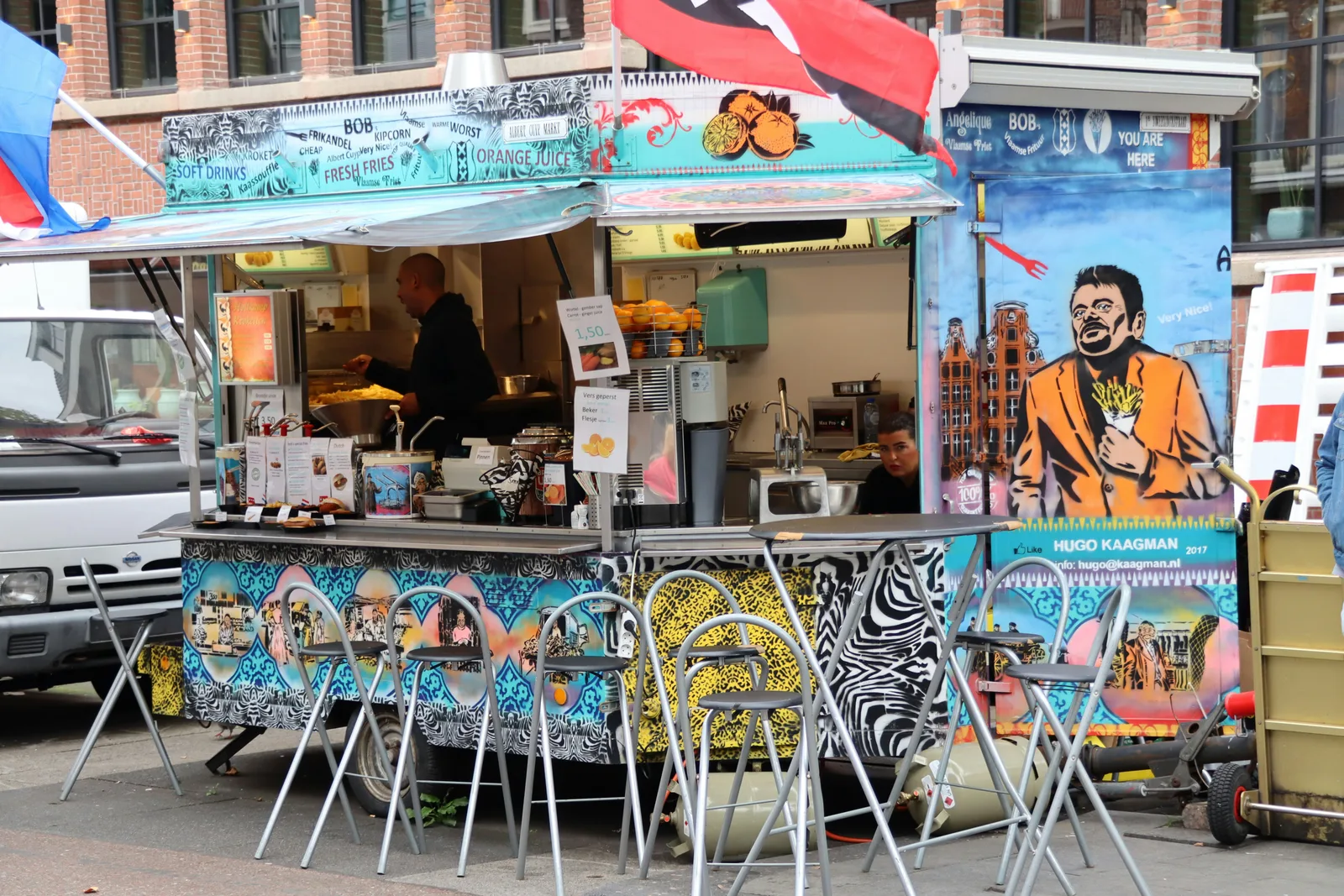
Austin farmers markets cover the weekend, with Saturday and Sunday markets in several neighborhoods and a handful of food halls to eat in. Growers bring peaches, tomatoes, pecans, honey, eggs and meat to stalls in parking lots and parks, from the Barton Creek market to Mueller on Sundays.
A market sells what growers produce, while a food hall is a building of independent kitchens, so plan a morning at a market and lunch at a hall.
The guide states no hours or days, because sources conflict and schedules change, so confirm each market before you go. Austin sits between the Hill Country and the Blackland Prairie, which is why peaches, tomatoes, pecans and honey all appear on the same table.
Which Austin farmers markets come up most?
Three names recur. The Sustainable Food Center runs Saturday markets and describes itself as supporting small and mid-sized farms and ranches in Central Texas. The Texas Farmers' Market at Mueller, in East Austin, is a Sunday market, and a second market in the Bell District in North Austin follows a similar model. Both are described as producer-only, meaning farmers sell only what they grow.
The Barton Creek Farmers' Market is described as Austin's first farmers market and has been recognized as one of the best in the country.
What is the Barton Creek farmers market?
Barton Creek is the oldest of the city's markets. It has a long list of producers: vegetables, fruit, eggs, meat, bread, cheese and prepared food. Because it has been running for decades, it has loyal customers and many returning vendors.
If you want a sense of how Central Texas farms have changed, this is the market to visit. Go early, since popular items sell out. If you are a first-time visitor, walk the whole market once before you buy. Prices and quality vary from stall to stall, and a loop first tells you where the best tomatoes, eggs and bread are. Then buy what you saw, in the order of how quickly it spoils.
How does an Austin Sunday market work?
Sunday markets tend to be relaxed. People shop slowly, eat breakfast tacos from a stall and listen to live music. The Mueller market is described as year-round, rain or shine, and as producer-only, which means the people behind the tables are the people who grew the food.
A Sunday visit pairs well with brunch. Many people eat at the market itself, with a taco or a pastry and a cup of coffee, then do their shopping. Others shop first and take the haul to a friend's for a long lunch. The Austin brunch guide covers patios, migas and waits, and the East Austin restaurants guide is useful for a longer neighborhood day.
What are Austin food halls?
A food hall is a building with several small kitchens or counters under one roof, sharing seating and often a bar. It lets a group of people eat different things at one table. Fareground, in the One Eleven Congress building downtown, has been billed as Austin's first food hall, and coverage describes it as an incubator for restaurateurs who want to grow. Its courtyard has hosted events.
Sources about it are several years old, so check whether it is still trading and which vendors remain. Rainey Street, nearby, is known for converted bungalows with bars and restaurants.
What do you buy at Austin market days?
Central Texas produce follows the seasons. Spring brings greens, strawberries and onions. Summer has tomatoes, peppers, peaches and melons, and fall has squash, pecans and citrus. Eggs, honey, tamales, bread and pastries are available most of the year.
Ask about varieties. A farmer who knows the name of a tomato will usually tell you how to use it, and Texas growers love to talk about the weather. Pecans and honey make good gifts, and they keep well in a suitcase. Fresh eggs and meat need a cooler, so bring one if you plan to stay out after the market.
How should you plan a market day?
Pick one market, arrive early, bring bags and a cooler and eat breakfast there. Plan a second stop for lunch, either at a cafe or a food hall. Markets are weather dependent, so check conditions before you go.
Parking can be tight at the busiest markets, so consider a bike or a rideshare. Dogs are welcome at some markets and not others, so check the rules before you bring one, and keep a leash short in a crowd. And remember that some vendors take cash only. If you visit more than one market, compare: the Saturday markets are often busy and social, the Sunday markets slower, and the food halls a better fit for a group that wants to sit down and eat.
What to read next
For pastry lovers, the kolaches and pastries guide leads to Czech bakeries within a day trip. The Houston farmers markets guide covers the other big Texas city, and the US guides page lists more cities.
Can the Mosey app help with allergies at a market?
Mosey never says a place or a dish is free of anything and does not check allergens. If someone at the table avoids an ingredient, the Hide dishes that list filter hides dishes where a place has listed that allergen, and a dish with nothing filled in says allergens not listed, ask the place. At a market stall, ask the grower or cook directly.
A good market trip leaves you with a list. In the Mosey app you can rate what you buy and eat, note the farm and the stall and keep an Austin list of the markets worth a return.
Questions
Common questions
Where are the main farmers markets in Austin?
Austin has markets on Saturdays and Sundays in several neighborhoods, including the Barton Creek Farmers' Market and the Texas Farmers' Market at Mueller, and the Sustainable Food Center runs Saturday markets. Days and seasons change, so check each market's own page before you go.
What should I bring to an Austin farmers market?
Bring bags, water and a hat for the Austin sun, and arrive early for the best selection. Many stalls take cards, but carry some cash for small purchases. Schedules change with the season, so check each market's own page before you go.
What is a producer-only market?
A producer-only market is one where farmers sell only what they grow or make themselves, rather than reselling wholesale produce. Austin has markets of both kinds, so ask a stall whether the peaches or the honey were grown by the person standing behind the table.
Which app can I use to share the Austin markets and halls I like with friends?
Mosey is a food app for sharing places to eat with friends, finding new ones and rating each dish. Rate each Austin stall or food hall counter by the dish, add a tag such as Market Stall, and share a list. Follow friends to see what they rate.
What is Fareground?
Fareground is a downtown Austin food hall, a building where several small kitchens share seating under one roof. Vendors change, so check its current vendors before you go, and note that many Austin markets take cards while some vendors prefer cash.
More like this
Read next
Best barbecue in Austin by neighborhood: how to eat it (2026)
How to eat Austin barbecue in 2026: the East, South and North Austin scenes, how the lines work, what to order by the pound, and day trips to Lockhart and Driftwood.
Best Kolaches in Central Texas: Czech Bakeries to Visit
A guide to the best kolaches in Central Texas: the Czech towns along I-35 and Highway 71, what a klobasnek is, and how to plan a bakery road trip from Austin.
Best Tacos in Austin: What to Order and Where to Start
A plain guide to the best tacos in Austin: breakfast tacos, trailers, migas and what to order first, with tips on lines, salsa and how many to get.
Rate the Best Queso in Austin: A Tasting Guide
A tasting guide to rate the best queso in Austin: what queso is, five things to judge, how to keep notes and how to start a list of the bowls you try.
