
How to
Plan a Chinatown Food Crawl With Friends
Mosey · November 11, 2026 · 5 min read
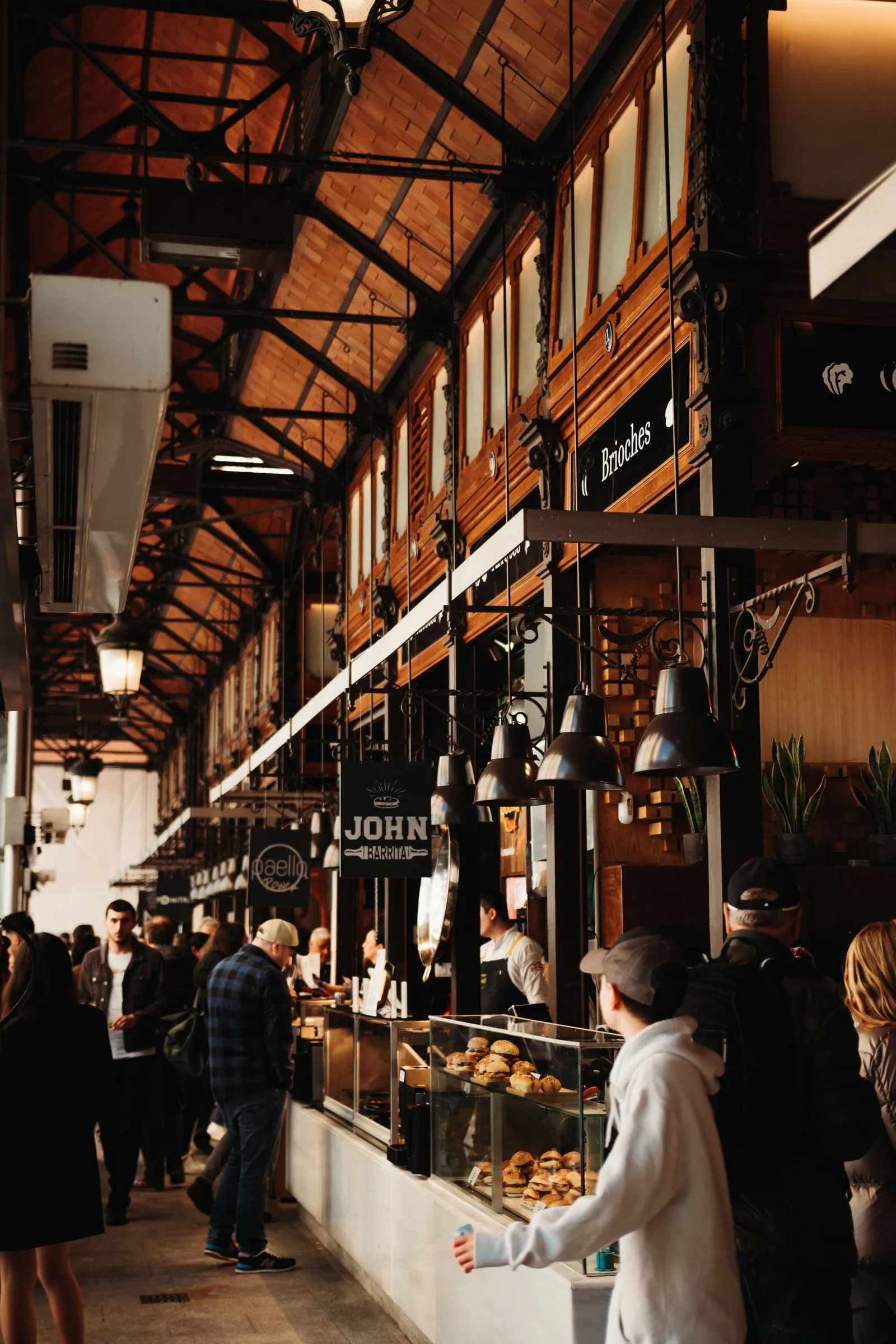
A Chinatown food crawl is one of the easiest outings to plan in a Canadian city. Pick a few blocks, choose a bakery, a noodle counter and a market stop, put them on a shared Mosey list in walking order, and rate one dish at every stop before you move on.
Why is a Chinatown food crawl so easy to plan?
Because the food is already close together. Several of the country's big cities, among them Vancouver, Toronto and Montreal, have a Chinatown with bakeries, noodle counters, tea shops, grocers and dim sum rooms within a few blocks of one another. You do not need a car or a reservation system. You need a pair of comfortable shoes, an appetite and a rule about how much to order at each stop.
The format also suits groups. Dishes are made to share, counters turn tables quickly, and a snack at a bakery costs little enough that nobody feels pressure to stay. A good crawl takes two or three hours, covers four or five stops and leaves everyone with a bag of something for the walk home.
How do you plan a Chinatown food crawl with friends?
Choose the stretch first, then the order. Start with something light and quick, like a baked bun or a pastry, then a savoury stop such as a noodle or congee counter, then a sit-down stop for dumplings or dim sum if the group can handle it. Finish with something sweet or a cup of tea. Walk the route in the afternoon, before the dinner rush.
Keep the group to six or fewer. Small shops fit small groups, and your plates arrive faster. Agree to order one plate per stop and share it, and let one person act as the ordering lead who asks the staff what is best that day. Ask before you take photos of the counter. Carry a little cash for small stops that prefer it, and be patient if a place is crowded.
What makes a public market food crawl different?
A public market puts many stalls under one roof, which makes it a good crawl for a day when the weather is poor. You can eat your way along a hall without stepping outside, comparing a sandwich at one counter with a pastry at another. The challenge is crowds, so go on a weekday or early, and decide on a meeting point if the group gets separated.
Cities in Canada have public markets in different traditions, some historic, some new, some devoted to local produce and some to prepared food. Treat the market as one stop of a longer crawl, or as a crawl on its own. The same rules hold: a few stops, one plate each, ratings along the way, and a pause somewhere with seats.
How do you do an indoor food crawl in winter?
Plan around warmth. In January a crawl is a series of dashes between doorways, so cluster the stops, put the farthest one first while everyone is still fresh and keep the last one close to transit. Choose places with space to take off a coat and sit down. A market hall or a covered arcade makes a good base because you can browse and eat in the same warm building.
Dress for the walk, not the meal, and bring a bag for scarves and mitts. Add a note to each stop on your list saying whether it has seating and how busy it gets. Winter crawls tend to be shorter, so three stops and a hot drink is plenty. Spring and fall give you the longest comfortable walking days.
How do you build the crawl as a shared list?
Make a new list for the outing and choose "With friends". Search any place, anywhere, and add each stop, then use the "Why it belongs" box to say what to order: "pineapple buns first", "ask what is fresh", "share the dumplings". Use sections for Stop 1, Stop 2 and so on, or reorder with a long press and drag. The map view shows the route.
Share the invite link in your group chat. Anyone with the link can join as a collaborator, even if they are not on Mosey yet. Each note shows who wrote it, which helps when a friend adds a stop and you want to know why. Send the list the day before so nobody learns the plan at the first door.
Rating one plate per stop
At each stop, open the rating screen. The first step asks what you are having, and you add the dish. The second asks how it was, with stars and tags. If the food is already on the table, save it for later and finish when you leave. Naming the dish makes the rating useful, since a bakery can be great at buns and ordinary at tarts.
Tag the friends who came, and each of them can add their own rating of the same plate. A tag such as Catch-Up with Friends records the occasion, though a tag is only what someone who was there thought, never a promise about a place. The shared list guide explains who can edit what.
How a crawl helps small shops
A new city? The guide to finding good food in a new city in Canada covers a first visit. A group of six buying one plate at five counters is a good afternoon for small businesses, and a rating tells the next group what to order. Mosey is free for a place to list, has no hidden fees and keeps its tools affordable, so the support goes to the place. Supporting local is a bag of buns and a thank-you.
See how ratings work in the app, or browse the Canadian food guides for more outings.
Open the Mosey app, add four stops to a list for Saturday, and invite your friends before the weekend.
Questions
Common questions
How many stops should a Chinatown food crawl have?
Four or five is a good number: a baked treat, a savoury counter, a sit-down dish and something sweet or a tea. Order one plate to share at each stop, and keep the whole walk to two or three hours so no one is rushed.
When is the best time to do a food crawl?
Mid-afternoon on a weekday or an early weekend slot. Small places are calmer between the lunch and dinner rush, and a group of six or fewer is easier to serve. In winter, choose stops that are close together and have seating.
How do I share the crawl plan with friends?
Put the stops on a shared list in walking order and send the invite link. Anyone with the link can join as a collaborator, even if they are not on Mosey yet, and each note shows who wrote it.
Can I rate each plate during the crawl?
Yes. The rating has two steps, what you are having and how it was. Add the dish, give stars and tags, and either post it or save it for later. Tag friends so each can add their own rating of the same plate.
What's a good way to plan a food tour with friends and keep track of the stops?
Mosey is a food app for putting a walking route on a shared list, rating each plate and sharing the notes with friends. Add the stops, write what to order, follow friends to see what they save, and tag the occasion.
More like this
Read next
Accessible Dining in Kingston and Dog-Friendly Patios
Accessible dining in Kingston means asking first: steps in old stone buildings, patio rules for dogs, the tags that point the way and a list of what you learn.
Accessible Restaurants in Canada: AODA and How to Ask
Accessible restaurants in Canada: what Ontario's AODA asks of restaurants, why the Accessible Canada Act mostly does not apply, and what to ask a place.
Ordering delivery in BC: what the fee cap covers, what you still pay and how to save
British Columbia caps what delivery apps can charge restaurants, but not every fee on your bill. What the law covers, where your money goes and how to order in a way that helps the restaurant.
BC liquor rules for diners: bringing your own wine, ID, PST on drinks and what is on the bill
Drinking at a restaurant in British Columbia comes with a few rules that surprise visitors: the age, corkage, who can serve you and the extra tax on alcohol. What to expect and what to ask.
