
Food culture
Ontario wine regions explained: Niagara, Prince Edward County and the Lake Erie North Shore
Mosey · November 11, 2026 · 5 min read
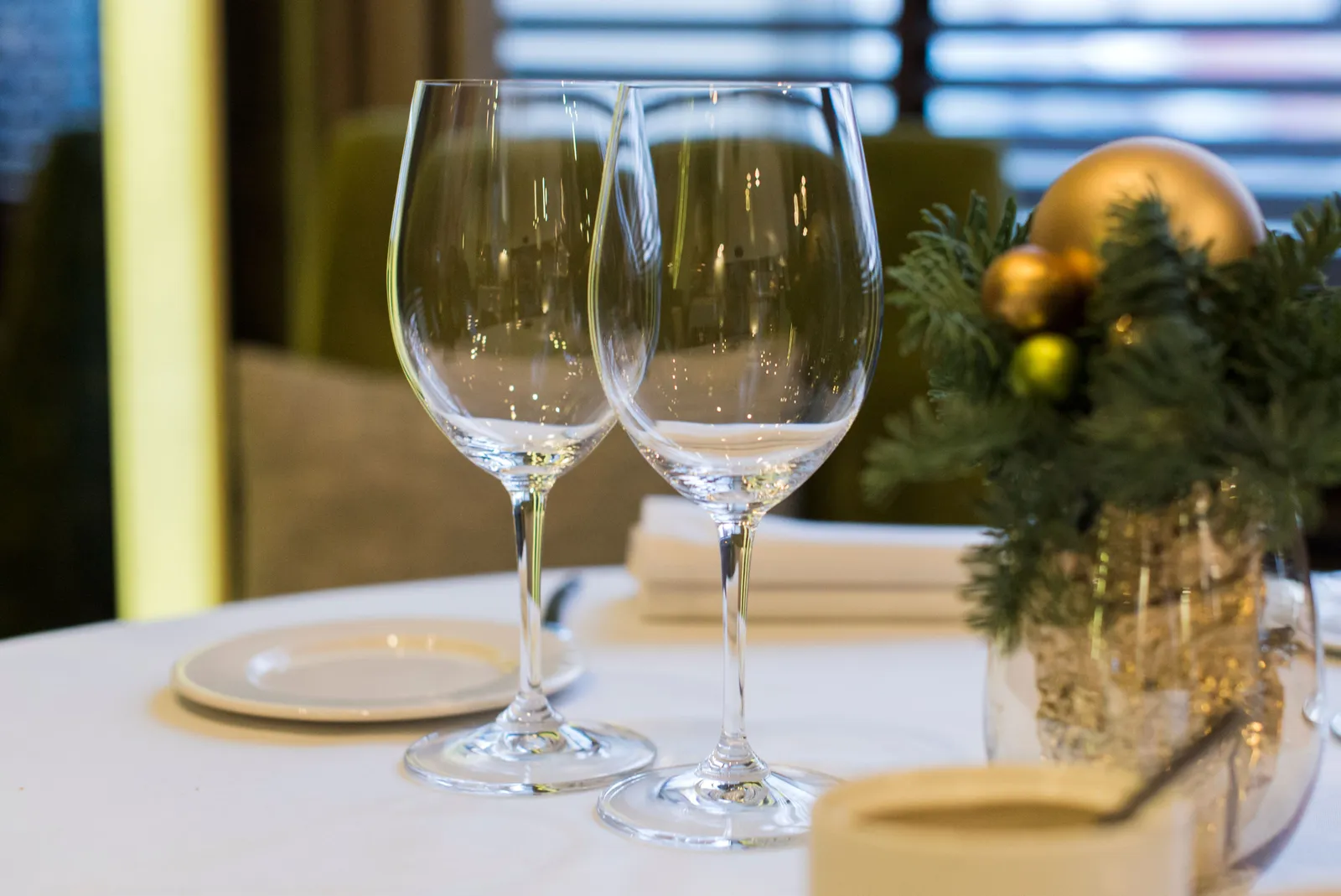
Ontario makes wine in a cool climate, close to the Great Lakes, which moderate the winters and lengthen the autumn. Its wines are not like those of warmer regions: whites such as riesling and chardonnay, sparkling wines, pinot noir and cabernet franc are among its strengths, together with icewine. Many wineries have restaurants, so a wine trip is also a food trip.
What are the Ontario wine regions?
Ontario's Vintners Quality Alliance (VQA) recognizes three designated viticultural areas:
- Niagara Peninsula: the largest, between Lake Ontario and the Niagara Escarpment. It contains smaller sub-appellations, each with its own soils and microclimate. Most winery visitors go here, and many wineries have restaurants and tasting rooms.
- Prince Edward County: an island-like peninsula in Lake Ontario, east of Toronto, known for limestone soils, pinot noir, chardonnay and sparkling wine. It combines wineries with cideries, farm stands and small restaurants.
- Lake Erie North Shore: the warmest area, in the southwest, near Windsor, with wineries around Kingsville and Pelee Island.
What does VQA mean on a label?
VQA is a quality designation. A wine labelled VQA is made from grapes grown in Ontario and meets standards set by the Vintners Quality Alliance. A wine labelled "Cellared in Canada" or similar may be made with imported grapes, so check the label if you want Ontario-grown wine.
What is icewine?
Icewine is made from grapes left on the vine until they freeze naturally, usually in the cold of January or later. The frozen grapes are pressed, producing a small amount of very sweet juice. Ontario's icewine production is among the biggest in the world. Icewine is served in small glasses with dessert or cheese.
Which region is best for a food trip?
- Niagara: the widest choice of winery restaurants, tastings and fruit stands. Best for a first visit, a group or a day trip from Toronto.
- Prince Edward County: best for a weekend, with a rural feel and independent restaurants.
- Lake Erie North Shore: best for a quieter trip combined with Windsor or Pelee Island.
When should you go?
- Late spring: the vines leaf out, tasting rooms are quiet, and asparagus and greens appear on menus.
- Summer: peak season, with patios, fruit and busy weekends.
- September and October: harvest, with festivals and crisp weather.
- January: icewine festivals and the cold harvest.
How do you visit wineries safely?
Pick a designated driver or use a tour or a driver. Ontario's impaired driving laws are strict. Plan two or three wineries a day. Eat lunch at one of them. Tastings usually cost a fee, which is often credited toward a bottle you buy.
What does it cost?
Tastings and winery meals vary widely. Menu prices do not include tax. In Ontario, 13 percent HST is added at the bill, and a tip of 15 to 20 percent of the pre-tax amount is normal at a table with a server. Wine bought at a winery is taxed too, and the price shown may not include it.
Can you buy wine from Ontario wineries to take home?
Yes. Many wineries ship within Ontario and to some other provinces, subject to rules that change. Ask the winery about shipping. Wines made by smaller wineries may be sold only at the winery or through restaurants.
What goes well with Ontario wine?
Riesling goes well with seafood and spicy dishes, chardonnay with poultry and creamy sauces, pinot noir with mushrooms and duck, cabernet franc with roasted meats, and icewine with blue cheese or fruit desserts.
How do the regions differ in climate?
Niagara benefits from the lake and the escarpment, which create a warm, protected strip. Prince Edward County is cooler and more exposed, and growers often bury their vines in winter to protect them from the cold. The Lake Erie North Shore is the warmest, with a longer season. These differences shape the wines: lighter and more acidic in the County, riper in the southwest, with Niagara in between.
Do you need to book a winery tasting?
Increasingly, yes, especially on summer weekends and during festivals. Some wineries accept walk-ins on weekdays. Winery restaurants fill quickly, so reserve lunch and check the dress code and children's policy.
What else is there to taste besides wine?
Ontario wine regions also have craft breweries, cideries, distilleries and fruit wines. Prince Edward County in particular is known for cider and for small-batch spirits, and Niagara has breweries beside its vineyards. Many serve food, and a flight of different drinks is a good option for a group where not everyone drinks wine.
How do you keep notes on a food-and-wine trip?
A tasting day is easy to enjoy and hard to remember. In the Mosey app, rate the dish you ate with the wine, not only the room, and note the pairing in your rating. A tag like Outdoor seating helps the next visitor choose, and a list called Ontario wine trips with a section for each region keeps your finds together.
Send the invite link to the friend who chose the route, and follow friends who tour wineries to see their rated and saved places in the Friends' picks layer of the map. If anyone in your group avoids an allergen, the dish filter called Hide dishes that list hides dishes where a place has declared it, and a dish with nothing filled in says "Allergens not listed, ask the place".
More guides to read next:
- Maple syrup season in Ontario: when to go, what to eat and how a sugar bush visit works
- What's in season in Ontario: a month-by-month guide to Ontario food
More in the Canadian food guides and the ranked lists of places.
On the drive back from the tasting rooms, open the Mosey app and rate the dish that paired best.
Questions
Common questions
What are Ontario's wine regions?
Three designated areas: the Niagara Peninsula, Prince Edward County and the Lake Erie North Shore.
What is VQA wine?
A designation for Ontario wines made from Ontario-grown grapes under quality standards.
What is icewine?
A sweet wine made from grapes that freeze naturally on the vine, harvested in deep winter.
Which Ontario wine region is best to visit first?
Niagara, for the number of wineries, restaurants and the short drive from Toronto.
Can I drive between wineries?
Plan a designated driver or a tour. Impaired driving laws are strict.
More like this
Read next
Acadian Food in Moncton: Rappie Pie, Fricot, Râpée
Acadian food in Moncton explained: what rappie pie, fricot and poutine râpée are, how the words on a menu differ and how to rate the dish so others know it.
Afternoon tea in Victoria, BC: how it works, when to book and what to expect
Afternoon tea is one of the things Victoria is known for. What the tiers and pots are, how far ahead to plan, how to tip, and how to find a quieter tea room than the famous hotel.
Atlantic Canada Fall Food: Harvest and Seafood
A guide to Atlantic Canada fall food: harvest festivals, apples and cider, autumn seafood on Prince Edward Island and Nova Scotia, and how to plan a trip.
Atlantic Canada Regional Foods: Rappie Pie and Donair
A guide to Atlantic Canada regional foods: rappie pie, the Halifax donair, Digby scallops and lobster, with what each dish is and how to taste it well.
