
City guide
Lunenburg and the Annapolis Valley: seafood, orchards and Nova Scotia wine
Mosey · November 11, 2026 · 4 min read
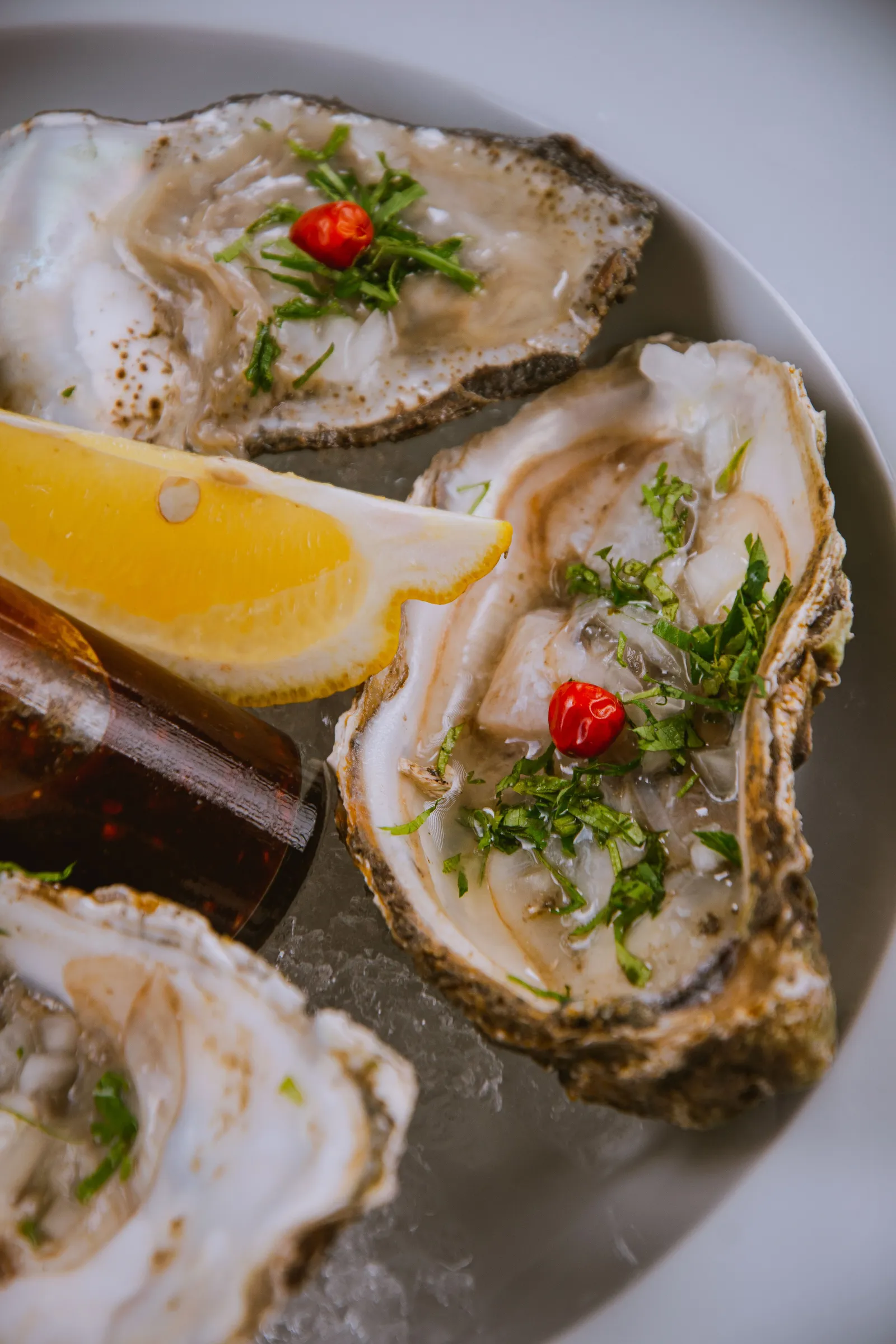
Two of Nova Scotia's best food stops are within a few hours of Halifax and make a good loop: Lunenburg on the South Shore, with its colourful waterfront and seafood, and the Annapolis Valley, the province's farm and wine country. Together they show what the province grows and catches.
What is Lunenburg known for?
Lunenburg is a fishing town settled by the British in 1753, and it is one of only two urban communities in North America with UNESCO World Heritage status, according to tourism sources. The old town is a grid of brightly painted wooden buildings on a hill above the harbour. For a visitor, it is a short walk from the waterfront to the main street and a pleasure to explore on foot.
The food scene is built on seafood. Look for chowder, fish cakes, scallops, lobster and fried haddock. Small restaurants, cafés and bakeries line the streets, and some serve food on patios with a harbour view. In summer, tables fill by early evening.
What can you eat in the Annapolis Valley?
The valley is sheltered, with long summers, and it is the centre of Nova Scotia's orchards and wineries. In late summer and autumn, you can stop at roadside stands for apples, corn, berries and cider. Farm markets sell produce, baking and preserves. Many wineries have tasting rooms and kitchens, and some serve lunch.
Nova Scotia's wineries are concentrated in the valley, and a travel writer has described Tidal Bay as the region's first appellation wine, a crisp white that pairs well with seafood. Ask a tasting room about it, and about the grapes grown in the area.
What is Grand-Pré?
Grand-Pré is a national historic site and a UNESCO World Heritage Site that commemorates the Acadian deportation of 1755. It also sits in a farming and wine area, and it can be combined with a winery stop. The site is an important place for Acadian history and worth a visit before lunch.
How do you plan the drive?
Halifax to Lunenburg is about an hour and a half by car, and Lunenburg to the Annapolis Valley is another couple of hours across the province. Many visitors do the loop over two or three days, with an overnight stay. Distances look short on a map but winding roads and slow traffic add time. A car is the only practical way to cover both areas.
When should you go?
Late summer and early autumn are the best time for the valley, with harvest and fruit stands. Lunenburg is lively in summer, with festivals and a busy harbour. Many small businesses reduce hours or close outside the season, so check before you plan a meal around them.
What should you know about tasting wine and driving?
Choose a designated driver, a tour company or a taxi, or spread tastings out with food. Tasting rooms pour small amounts, but they add up. Pace yourself and drink water.
What about dietary needs?
Seafood restaurants usually offer vegetarian dishes, and farm kitchens often cater to gluten-free diets. For shellfish allergies, tell the staff in advance, since cross-contact is common in seafood kitchens.
How do you pay and tip?
Nova Scotia adds HST to restaurant meals. Tip 15 to 20 percent of the pre-tax bill at a sit-down meal. At a farm stand with an honour box, bring small bills and coins.
What is a sensible budget and pace?
Seafood in a harbour town costs more than in an inland city, so mix a sit-down dinner with cheaper meals: a bakery breakfast, a market or café lunch, a chowder at a counter. Allow time between stops, because rural roads are slower than the map suggests and many small businesses close by 5 or 6 in the evening outside peak season. If you plan to eat at a particular restaurant, book ahead and confirm the hours the day before.
What does a two-day loop look like?
On the first day, drive from Halifax to Lunenburg, stopping at a roadside bakery on the way, and walk the old town before lunch. Spend the afternoon on the waterfront and book dinner at a seafood restaurant. On the second day, cross to the Annapolis Valley, visit a farm market and a winery in the morning, and have lunch at a tasting room kitchen. Return to Halifax in the afternoon, or stay a night near Wolfville to avoid driving after tastings. Book accommodation early for summer and harvest weekends.
Mosey is built for noticing the dish that made the trip worth it, whether it was a scallop in Lunenburg or a cider doughnut in the valley.
More guides to read next:
- Prince Edward Island food guide: mussels, potatoes, lobster suppers and Fall Flavours
- Saint John City Market and Fredericton's Boyce Market: New Brunswick's two best markets
- Winnipeg food guide: The Forks Market, the Exchange District and St. Boniface
More in the Canadian food guides and the ranked lists of places.
Questions
Common questions
How far is Lunenburg from Halifax?
About an hour and a half by car.
Why is Lunenburg a World Heritage Site?
The old town is recognized by UNESCO as one of the best surviving examples of a planned British colonial settlement in North America.
What is the Annapolis Valley known for?
Orchards, farm markets and wineries, with most of Nova Scotia's wineries in the valley.
Can I do Lunenburg and the Annapolis Valley in one day?
It is possible but tiring. Two or three days give you time to eat well and stay relaxed.
What is Tidal Bay?
It is a Nova Scotia white wine style described as the valley's first appellation wine. Ask a tasting room for details.
More like this
Read next
Food Worth a Drive in Alberta: Pie, Diners and Rockies
A donut stop, foothills diners, Crowsnest Pass, Drumheller and Rocky Mountain dining: food worth a drive in Alberta, plus where to find pie.
Apple Pie Trail: Collingwood to Thornbury Food Guide
The Apple Pie Trail from Collingwood through the Blue Mountains to Thornbury: how the self-guided food route works, when to go and how to rate a pie by name.
Atwater Market guide: what to buy and eat by the Lachine Canal
Atwater Market is Montreal's art deco market hall by the Lachine Canal, open all year with butchers, cheese shops and farmers' stalls. How to get there, what to buy and how to make a day of it.
Best Restaurants in Banff and Jasper: A Guide
The best restaurants in Banff and Jasper: bison and local game, dining with a mountain view, Canmore options, budget tips and how to plan meals in the parks.
