
City guide
Winnipeg food guide: The Forks Market, the Exchange District and St. Boniface
Mosey · November 11, 2026 · 4 min read
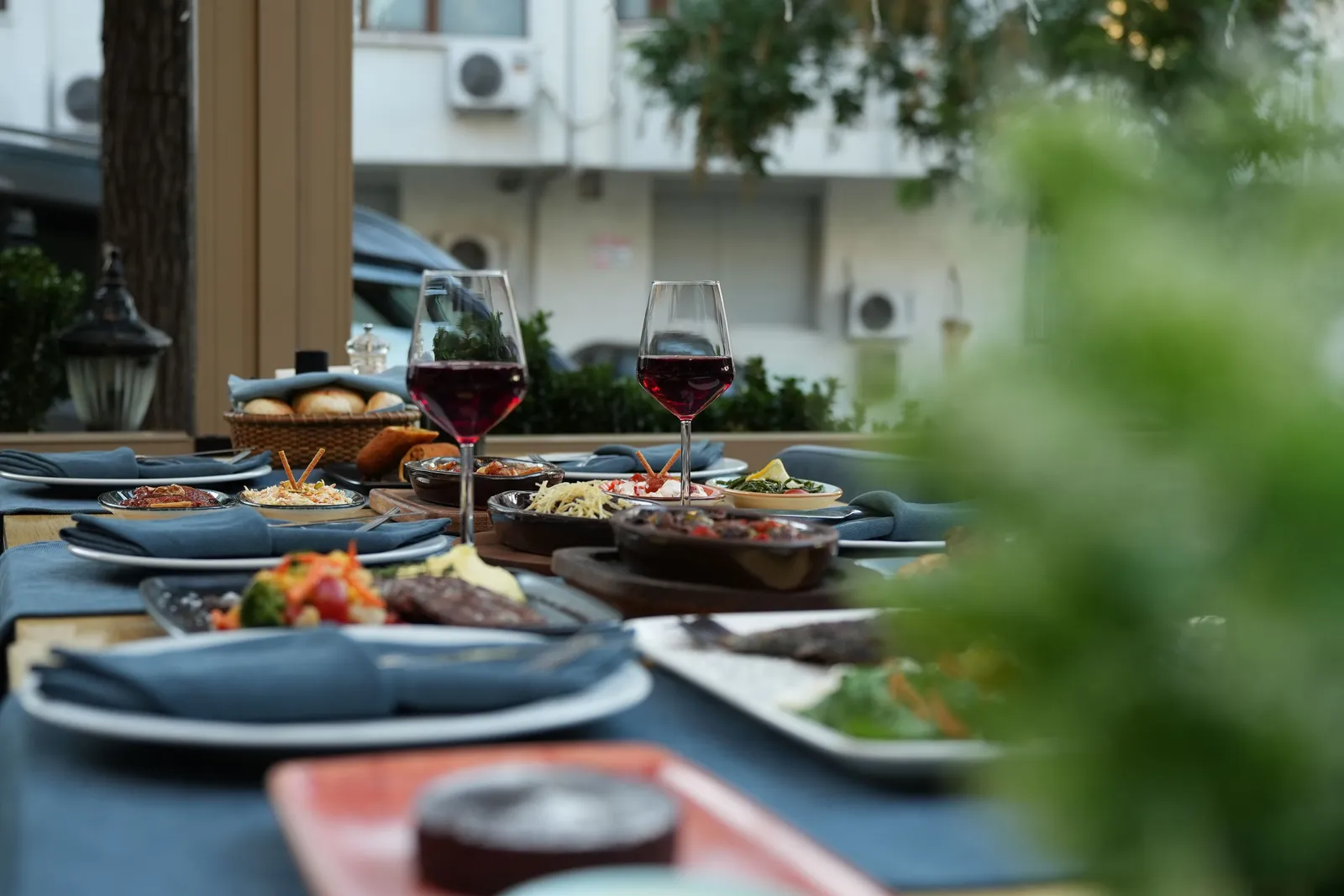
Winnipeg sits where the Red and Assiniboine rivers meet, and that meeting place, The Forks, has been a gathering spot for thousands of years. Today it is also the city's most visited food destination, with a market, a food hall, a riverside walk and a collection of historic buildings. The Exchange District and St. Boniface, a short walk or drive away, add heritage buildings, cafés and a French-Canadian food tradition.
What is The Forks Market?
The Forks Market is housed in a pair of railway stable buildings dating to around 1900, joined by a courtyard and bridges. The area was redeveloped in the late 1980s, when the old rail yard became the market. A food hall called The Common was renovated in 2016. Inside you will find vendors selling street-food-style dishes from around the world, along with bakeries, cheese, produce and craft shops. The Forks draws millions of visitors a year, so it is busy on summer weekends and holidays.
Hours and vendor lineups change, so check The Forks' own page. Go on a weekday or at opening to avoid the biggest crowds.
What is the Exchange District?
The Exchange District is a National Historic Site made up of warehouses and early twentieth-century commercial buildings, used today for restaurants, cafés, galleries and bars. It is a good area for a long dinner or a coffee break. The streets are walkable, and the buildings give the neighbourhood a distinctive character.
What is St. Boniface?
St. Boniface is Winnipeg's French quarter, across the Red River from downtown. It has a francophone tradition, with bakeries, cafés and restaurants that nod to French-Canadian and Métis cooking. A visit pairs well with a walk along the river and a stop at a historic cathedral site.
What should you eat in Winnipeg?
- Prairie staples. Look for dishes built on local pickerel (walleye), bison, wild rice and Saskatoon berries.
- Perogies and Ukrainian food. Winnipeg has a large Ukrainian community, and perogies, cabbage rolls and sausages are on many menus.
- Filipino, Ethiopian, Indian and Vietnamese food. Winnipeg's immigrant communities have opened some of the city's best casual restaurants. Look in neighbourhoods like Corydon, Osborne and the West End.
- Baking. From breads to doughnuts, local bakeries are worth a stop.
What about winter?
Winnipeg winters are very cold. The Forks is famed for a river skating trail that forms on the frozen rivers when conditions allow, and warm food at the market makes a good break. Dress in layers, and check opening hours, since some outdoor vendors close.
When should you go?
Summer is the busiest season, with festivals, patios and long evenings. Winter is for hot food and indoor markets. In August, a multicultural festival (Folklorama) shows food from many communities, so check its dates if you want to plan around it.
How do you get around?
Downtown Winnipeg and The Forks are walkable in good weather, and buses connect most neighbourhoods. A car is helpful for exploring beyond the centre. Parking at The Forks is paid and can fill on busy days.
How do you pay and tip?
Manitoba adds 5 percent GST and 7 percent provincial retail sales tax to restaurant meals, according to reports in 2026. Check the lines on your bill. At a sit-down meal, tip 15 to 20 percent of the pre-tax bill. At market stalls, tipping is optional.
How do you eat well on a budget in Winnipeg?
The Forks food hall and market stalls offer filling dishes at modest prices, and the neighbourhood restaurants away from the tourist centre are often cheaper still. Look for lunch specials, shared plates and bakery counters. Perogies and cabbage rolls are inexpensive comfort food, and a plate of Filipino or Ethiopian dishes shared among friends is a cheap way to eat a lot. Check menus outside the door for prices.
What is Folklorama?
Folklorama is a multicultural festival held in August, where community groups host pavilions serving the food, music and dance of their traditions. Each pavilion offers dishes and drinks, and visitors move between them over two weeks. Dates and the lineup change each year, so check the festival's page and plan which pavilions you want to visit.
Mosey is built to record what you ate, not only where you went, so a standout plate of pickerel can be noted and shared.
More guides to read next:
- Halifax Seaport Farmers' Market: hours, history and what to eat
- The Forks Market in Winnipeg: the food hall and what to know
- Best poutine city: Montreal, Quebec City, Ottawa or Toronto
More in the Canadian food guides and the ranked lists of places.
Questions
Common questions
Where is The Forks in Winnipeg?
It is at the meeting of the Red and Assiniboine rivers, close to downtown Winnipeg.
What is the Exchange District?
It is a National Historic Site of early twentieth-century warehouse buildings, now home to restaurants, cafés, galleries and bars.
What is St. Boniface known for?
It is Winnipeg's French quarter, with francophone heritage, bakeries and cafés.
What tax is added to restaurant meals in Manitoba?
Reports in 2026 say 5 percent GST and 7 percent retail sales tax. Check the lines on your bill.
What local foods should I try in Winnipeg?
Pickerel (walleye), bison, perogies and Saskatoon berry desserts, plus the city's Filipino, Ethiopian and Indian restaurants.
More like this
Read next
Best Perogies in Winnipeg: Ukrainian Food and Where to Eat
A guide to the best perogies in Winnipeg: how they are made, the fillings and toppings, cabbage rolls and other Ukrainian dishes, and a few places to start.
Cheap Eats in Winnipeg: Filipino Plates, Shawarma and More
A guide to cheap eats in Winnipeg: Filipino food, shawarma counters, crepes and noodles in Osborne Village and tips for a budget lunch in town.
Folklorama Winnipeg Food Guide: Pavilions and Eating
Folklorama Winnipeg food guide: what the August festival is, how the pavilions work, how to eat across cultures in a night and how to rate festival dishes.
Find Good Food in Winnipeg: Crossroads, Lists, Dishes
Find good food in Winnipeg, a crossroads city: follow its communities, use tags and dish ratings, answer Top 3 and keep a list shared with friends.
