
City guide
Niagara-on-the-Lake food and wine guide: wineries, icewine, fruit stands and winery lunches
Mosey · November 11, 2026 · 5 min read
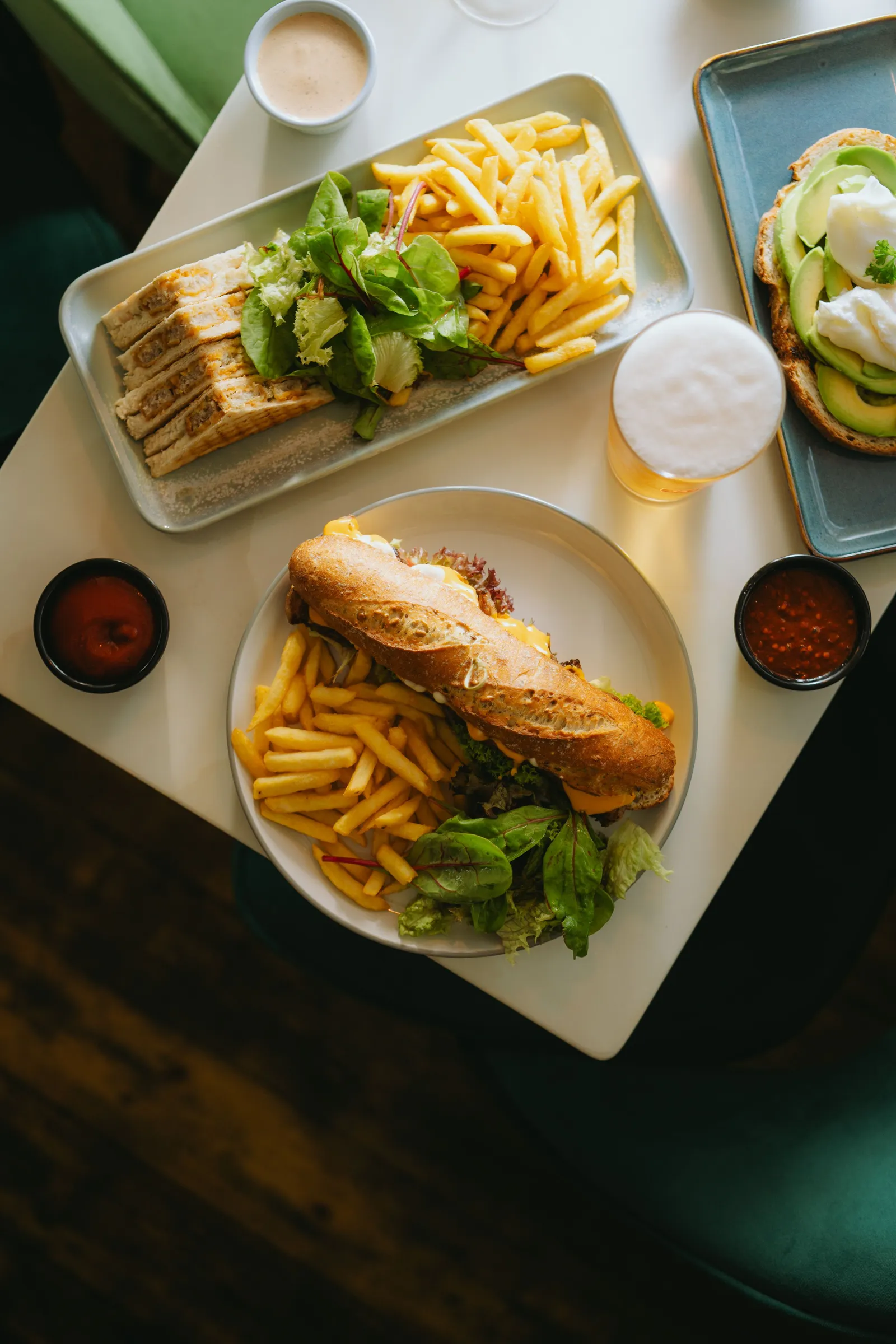
Niagara-on-the-Lake is a small, pretty town on Lake Ontario at the mouth of the Niagara River, about 90 minutes from Toronto. Around it, flat land between the lake and the escarpment holds the vineyards and orchards of Ontario's biggest wine region. Tourism boards call the town the culinary capital of Canada, and a lot of good cooks, farms and wineries do sit within a short drive.
What can you expect at the wineries?
Wineries range from large estates to small family operations. Large estates have tasting rooms, restaurants, shops and tours, and are set up for visitors. Smaller wineries may offer a quiet tasting with someone who knows the vines. Many of the region's established wineries are here, and several have been featured in tourism guides, including estates known for their icewine.
Tasting fees are typical, and often credited if you buy a bottle. Weekends in summer and early autumn are busy, and larger wineries take reservations for lunch and tours. Ask about booking when you plan.
What is icewine?
Icewine is a sweet dessert wine made from grapes left on the vine until they freeze, then pressed while frozen. The water stays as ice and the juice is concentrated. Niagara is one of the world's main producers because of its cold winters. It is expensive because the harvest is small and demanding, and it is usually sold in small bottles. Try it as a small glass with dessert, a blue cheese or foie gras. Some wineries have ice-themed lounges, and a winter wine festival is held in the region. Check dates.
What food does the region grow?
Niagara is a fruit belt. Strawberries ripen in June, followed by cherries, peaches, plums, pears and apples through the summer and autumn. Roadside stands sell fruit, jam and baking. A June visit lets you pick strawberries, and a late summer visit is the time for peaches.
Where do you eat in town?
Niagara-on-the-Lake's old town, with its tidy main street, has restaurants, pubs, tea rooms and an old-fashioned sweet shop. Many chefs cook with local produce, and menus change with the harvest. The town is also home to a well-known summer theatre festival, so it is worth booking ahead if you are going to a show.
How do winery restaurants work?
A winery restaurant is a classic way to spend a lunch. Menus are usually seasonal, with dishes matched to the wines. Some restaurants are very good, others are mostly about the view. Look at recent reviews, and book a table on a weekend.
How do you visit without a car?
Drinking and driving laws are strict. Options include:
- a guided tour from Toronto or from Niagara Falls
- a local shuttle or taxi between wineries
- a hired driver for a group
- bicycle rentals on flat roads for the energetic, though it is wise to limit tastings
- staying in town and walking to a few wineries nearby
When should you go?
Late spring to autumn is the main season, with September and October the best for harvest. Winter is quiet, with some reduced hours but icewine events and fireplaces. Summer weekends are busy, and prices for rooms rise.
What does it cost?
It is a tourist region, and prices reflect it. Ontario's HST of 13 percent applies on top of menu prices. A tip of 15 to 20 percent of the pre-tax bill is customary at restaurants. Tasting fees are usually separate.
What should you ask when you book?
Ask whether the winery restaurant has a fixed seating time, whether a tasting is included, what the cancellation policy is, whether the menu changes daily, and how to tell staff about allergies. If you are going with a group, ask whether a set menu is required. Small restaurants can lose money on a missed booking, and some take a card number to hold a table. Plan your arrival so you do not rush, since lunches here tend to be long and relaxed.
A day plan
- Arrive late morning and walk the town.
- Lunch at a winery restaurant, booked ahead.
- Visit a second winery for a tasting.
- Buy fruit from a stand for the trip home.
- Leave before dark if you are driving on country roads.
How do you keep notes from a winery lunch?
A winery lunch is easy to enjoy and hard to remember, because the glass and the view crowd out the plate. In the Mosey app, rate what was on the plate by name, such as the peach tart or the lake fish, add a tag like Outdoor seating, and write a line about the table you had. Start a list called Niagara days and add each winery restaurant, fruit stand and town lunch with a note on what you would book again.
If anyone at your table avoids an allergen, the dish filter called Hide dishes that list hides dishes where a place has declared that allergen. A dish with nothing filled in says "Allergens not listed, ask the place", so the conversation with the kitchen still happens.
More guides to read next:
- Prince Edward County food guide: farm stands, cideries, wineries and the Taste Trail
- Waterloo Region food guide: St. Jacobs market, Kitchener Market and Mennonite country
- Credit card surcharges at Canadian restaurants: what you must be told and what you can refuse
More in the Canadian food guides and the ranked lists of places.
Before you leave the vineyard table, open the Mosey app and rate the dish that went best with the glass.
Questions
Common questions
How far is Niagara-on-the-Lake from Toronto?
Around 90 minutes by car, depending on traffic.
What is icewine?
A sweet wine made from grapes frozen on the vine and pressed while frozen.
When is the best time to visit Niagara wineries?
Late spring to autumn, with September and October a favourite for harvest. Winter is quieter but has icewine events.
Can you visit Niagara wineries without a car?
Yes, by guided tour, shuttle or taxi, which is the safest choice if you are tasting.
Do you need to book a winery lunch?
On weekends and in summer, yes. Book ahead.
More like this
Read next
Niagara Icewine Festival: what icewine is, what to expect and how to plan a January visit
Every January, Niagara-on-the-Lake celebrates icewine with an outdoor village on Queen Street. What icewine is, how the festival works, and how to plan a winter trip that includes the wineries.
Food Worth a Drive in Alberta: Pie, Diners and Rockies
A donut stop, foothills diners, Crowsnest Pass, Drumheller and Rocky Mountain dining: food worth a drive in Alberta, plus where to find pie.
Apple Pie Trail: Collingwood to Thornbury Food Guide
The Apple Pie Trail from Collingwood through the Blue Mountains to Thornbury: how the self-guided food route works, when to go and how to rate a pie by name.
Atwater Market guide: what to buy and eat by the Lachine Canal
Atwater Market is Montreal's art deco market hall by the Lachine Canal, open all year with butchers, cheese shops and farmers' stalls. How to get there, what to buy and how to make a day of it.
