
City guide
Prince Edward County food guide: farm stands, cideries, wineries and the Taste Trail
Mosey · November 11, 2026 · 5 min read
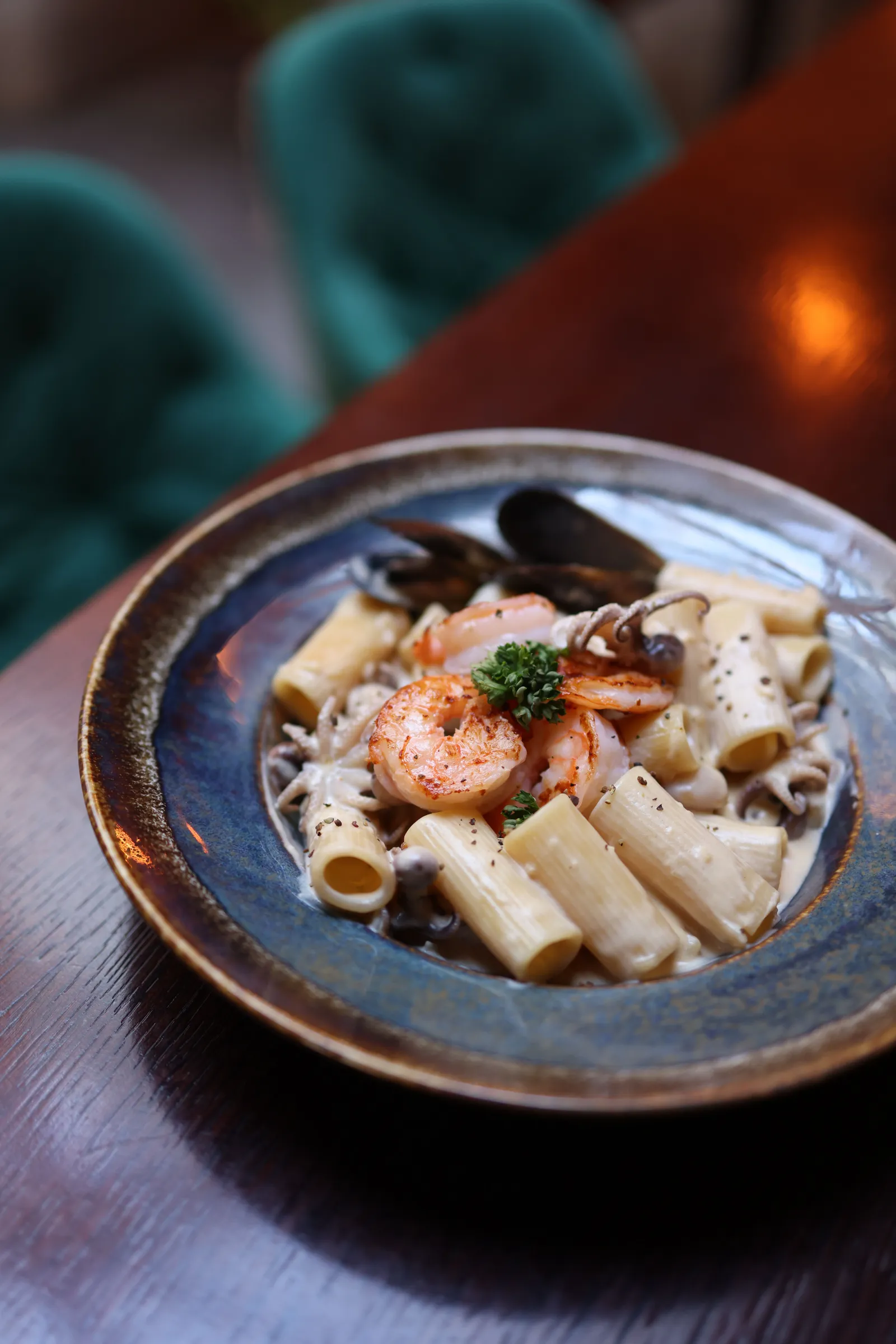
Prince Edward County, usually called the County, is a large peninsula and island in Lake Ontario, about two and a half hours east of Toronto and a similar distance from Ottawa. It has limestone soil, a cool climate and a long history of farming, and over the last twenty years it has become a destination for wine, cider and food. The pace is slow, the roads wind between fields, and the main towns, Picton, Wellington and Bloomfield, are small.
What is the Taste Trail?
The Taste Trail is a self-guided route that links restaurants, farms, food producers and wineries across the County. It is an easy way to plan a day without a rigid itinerary: pick a few stops on the map, drive between them and buy as you go. Producers on the trail put out signs and often have farm stands or shops. The route is the official way to find smaller producers who are not marketed widely.
Where are the wineries and cideries?
Wineries and cideries are spread across the County, in Hillier, Wellington, Bloomfield, Picton and Waupoos. The region is best known for cool-climate grapes, especially Chardonnay and Pinot Noir. Cider is also a strong tradition: some cider makers grow European varieties of apple. Many wineries run restaurants or serve wood-fired pizza and small plates on a patio.
Tastings usually require a fee, and many are available only at set times or by appointment, so check each website.
Where do you buy local food?
Farmers markets operate in the County's towns, and their days and seasons differ, so check each market's current schedule. Farm stands sell vegetables, fruit, eggs and honey on the roads. For a picnic, Picton has delis and cheese shops, and country stores sell preserves and baking. Bring a cooler bag.
What about restaurants?
The County's restaurants range from the historic hotel dining room in Picton to small cafés in Bloomfield and Wellington, and some well-known winery kitchens. Many chefs came from Toronto and cook with local produce, so menus change often. In summer, book dinner well in advance, especially for weekends. In winter, many close or cut their hours, and you should call ahead.
What about beaches and butter tarts?
Sandbanks Provincial Park has large freshwater dunes, and on a summer day it is crowded. Day-use reservations are usually required in season, so check the Ontario Parks website before you go. Butter tarts, a Canadian pastry of butter, sugar and egg in a pastry shell, are sold at roadside bakeries and farm stands. Some travellers use the County as a butter tart tour.
When is the best time to go?
Summer and early autumn are the main season, and the busiest. Harvest events happen in September and October. Spring has blossom and quiet roads. Winter is very quiet. Many places close from November to April.
How do you get around?
A car is almost essential. Distances are modest but there is no useful public transit between wineries. If you are tasting, appoint a driver or book a tour. Cycling is popular on quiet roads, but distances between stops add up.
What does it cost?
Expect tourist-region prices, with restaurant mains at the upper end of Ontario averages. HST of 13 percent applies to meals, and a tip of 15 to 20 percent of the pre-tax bill is standard at table service.
Where do you stay?
Inns, bed and breakfasts, farm stays and campgrounds fill quickly in summer. If you can, book accommodation first, then restaurants.
What about food for people with allergies or diets?
Rural kitchens vary. Many County restaurants cook from scratch and can usually tell you exactly what is in a dish, which helps. Vegetarian options are common, and gluten-free choices are available at most winery kitchens, though vegan menus can be thin. Call before you travel if you have a serious allergy, since a small restaurant with one cook may not be able to guarantee a safe meal on a busy night. Farm stands and markets are a good way to eat well on your own terms.
A long weekend plan
- Friday: arrive in Picton and eat dinner nearby.
- Saturday: the Wellington market, a winery lunch and a beach in the afternoon.
- Sunday: the Picton market, a cidery stop and a drive home.
How do you plan the County without a ranking?
A long weekend in the County spreads across farm stands, cideries and a handful of towns, so a list is the best planning tool. In the Mosey app, add each place you want to visit with a note on why, group the list by town, and send the invite link so friends can add their own finds. Tags such as Dog-Friendly and Patio narrow the choice when the group is mixed.
Rate dishes as you eat, not only places, so "butter tart, flaky, not too sweet" becomes a pointer for the next visitor. Rating places that share a tag, such as Bakery, earns a badge for that kind of food, and the Dishes page shows what people near you are enjoying.
More guides to read next:
- Waterloo Region food guide: St. Jacobs market, Kitchener Market and Mennonite country
- Credit card surcharges at Canadian restaurants: what you must be told and what you can refuse
- Restaurant gift cards in Ontario and BC: expiry dates, fees and what to check before you buy
More in the Canadian food guides and the ranked lists of places.
On your next County weekend, open the Mosey app and rate the dish that tasted most like the place.
Questions
Common questions
What is the Taste Trail in Prince Edward County?
A self-guided route linking restaurants, farms, producers and wineries across the County.
When are the farmers markets in Prince Edward County?
Markets run in Wellington and Picton in the warm months, so ask at the local visitor centre for the current days.
Do you need a car in Prince Edward County?
Almost certainly. Transit between wineries is poor.
Is the County open in winter?
Many restaurants and wineries close or reduce hours between November and April. Call ahead.
How far is Prince Edward County from Toronto?
Roughly two and a half hours by car, depending on traffic.
More like this
Read next
Food Worth a Drive in Alberta: Pie, Diners and Rockies
A donut stop, foothills diners, Crowsnest Pass, Drumheller and Rocky Mountain dining: food worth a drive in Alberta, plus where to find pie.
Apple Pie Trail: Collingwood to Thornbury Food Guide
The Apple Pie Trail from Collingwood through the Blue Mountains to Thornbury: how the self-guided food route works, when to go and how to rate a pie by name.
Atwater Market guide: what to buy and eat by the Lachine Canal
Atwater Market is Montreal's art deco market hall by the Lachine Canal, open all year with butchers, cheese shops and farmers' stalls. How to get there, what to buy and how to make a day of it.
Best Restaurants in Banff and Jasper: A Guide
The best restaurants in Banff and Jasper: bison and local game, dining with a mountain view, Canmore options, budget tips and how to plan meals in the parks.
