
Neighbourhood guide
Montreal Chinatown food guide: dim sum, noodles and bakeries
Mosey · November 11, 2026 · 4 min read
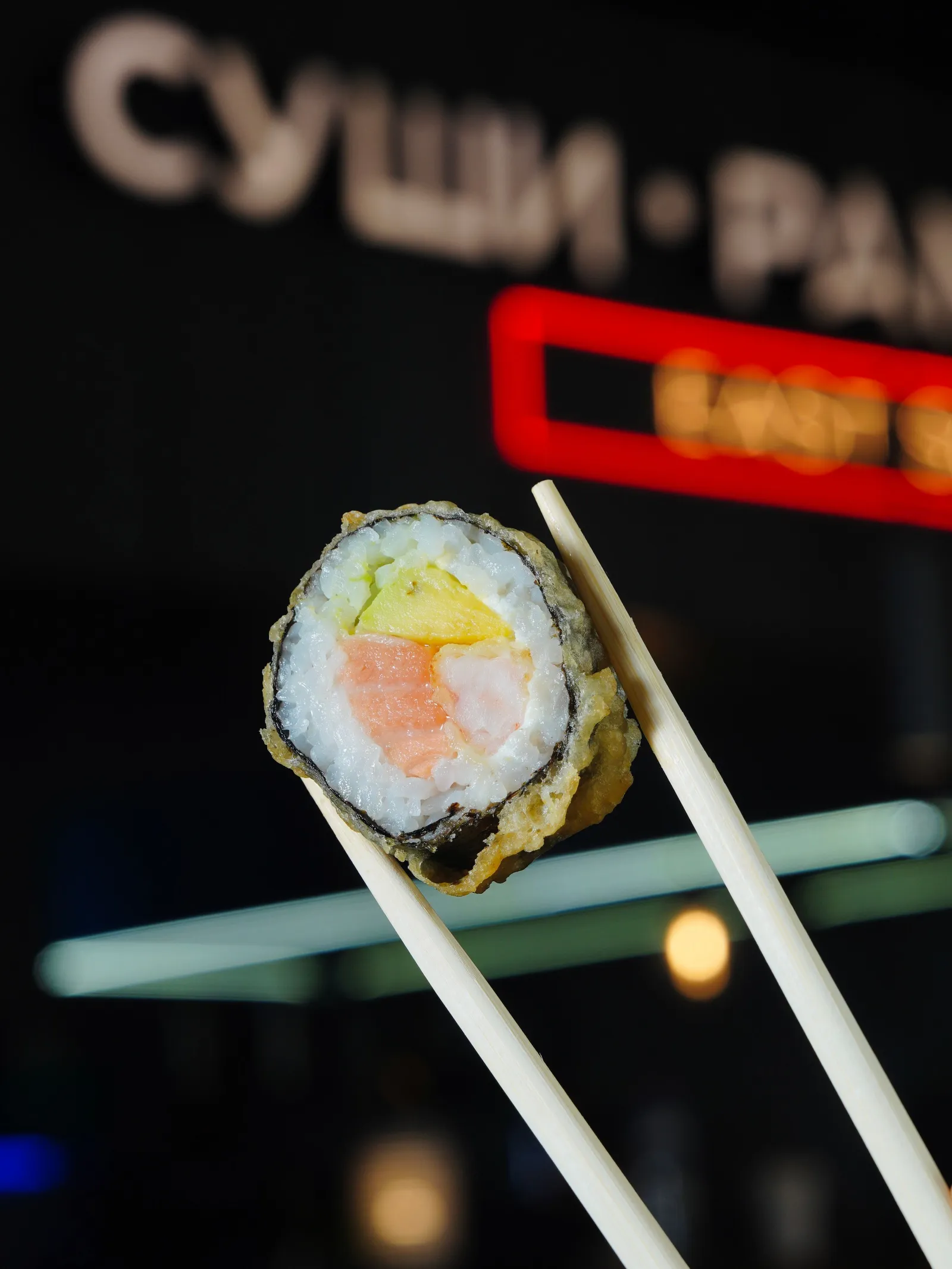
Montreal's Chinatown is small enough to walk end to end in a few minutes and dense enough to eat in for a whole afternoon. It sits between downtown and Old Montreal, so it is easy to fit into almost any day in the city. Dim sum, Cantonese barbecue, hand-pulled noodles, pho and bakery buns are all within a couple of blocks.
Where is Chinatown in Montreal?
Chinatown is centred on De La Gauchetière Street, with Saint-Laurent Boulevard and Saint-Urbain Street running through it. It lies roughly between René-Lévesque Boulevard to the north and Viger Avenue to the south. The closest metro stations are Place-d'Armes on the Orange Line, which comes up right at its southern edge, and Saint-Laurent on the Green Line. Old Montreal is a short walk south, and the Quartier des spectacles is just to the north.
What is the history of Montreal's Chinatown?
Chinese immigrants, many of whom had come east from Western Canada, settled here at the end of the nineteenth century, making Montreal's Chinatown a long-standing community. By 1902 the blocks around De La Gauchetière, between Chenneville and Clark streets, were known as Chinatown, filled with Chinese-owned restaurants and specialty grocers.
The province has announced heritage protection for parts of Chinatown to shield it from further pressure from development. Four large ornamental gates, called paifang, mark its corners, more than any other Chinatown in Canada.
What should you eat in Montreal's Chinatown?
| What | What to look for |
|---|---|
| Dim sum | Weekend brunch with carts or ordering sheets |
| Cantonese barbecue | Roast duck, barbecue pork and crispy pork belly in the window |
| Hand-pulled noodles | Made to order, sometimes in view of the street |
| Pho | Vietnamese beef noodle soup, a big part of the neighbourhood |
| Seafood | Cantonese-style fish and shellfish, often from tanks |
| Bakery buns | Barbecue pork buns, egg tarts and sweet buns |
| Bubble tea | Plenty of choice for an afternoon break |
What is the De La Gauchetière pedestrian street?
The stretch of De La Gauchetière Street that crosses Chinatown is closed to cars, which makes it the easiest place to wander and the heart of the neighbourhood. It was made a pedestrian street to bring more visitors to its businesses, and it is marked with lanterns, signs and gates. On several summer weekends it turns into a lively outdoor fair with street food and vendors. Dates change, so check before you go.
How do you order dim sum in Montreal?
Dim sum is mainly a weekend late-morning meal. Some restaurants still push carts around the room; others hand you a sheet to tick off what you want. Order a few dishes at a time and add more as you go: har gow (shrimp dumplings), siu mai, barbecue pork buns, rice rolls and turnip cake are a good start. Tea is usually poured as soon as you sit down. Arrive before noon on weekends to avoid the longest waits.
Is Montreal's Chinatown good for cheap eats?
It is one of the best places downtown to eat well for little. Noodle soups, pho, barbecue on rice, dumplings and bakery buns are all inexpensive and filling. Many smaller places are casual counters. At sit-down restaurants, tip 15 to 20 percent on the amount before tax.
How do you fit Chinatown into a day in Montreal?
Chinatown works as a bridge between downtown and Old Montreal:
- Start with dim sum in Chinatown on a weekend morning.
- Walk south into Old Montreal for the Notre-Dame Basilica and the Old Port.
- Come back in the afternoon for bakery buns or bubble tea.
- Head north in the evening to the Quartier des spectacles for a show or a festival.
What should you know before visiting?
- Bring some cash, as smaller places may prefer it or have card minimums.
- Weekends are busiest, especially for dim sum.
- Ask about the specials board, which sometimes lists dishes not on the English menu.
- Shop as well as eat. Chinatown's grocers and bakeries are part of what keeps the neighbourhood alive.
The best way to support a historic food neighbourhood is to eat there and tell people about it. On Mosey you can rate the places you ate at and the dishes you ordered, with photos, and share a list of Chinatown favourites with friends.
More guides to read next:
- Atwater Market guide: what to buy and eat by the Lachine Canal
- Montreal food festivals: MTLàTABLE, Montréal en Lumière and more
- Montreal terrasses and pedestrian streets: where to eat outside
More in the Canadian food guides and the ranked lists of places.
Questions
Common questions
Where is Montreal's Chinatown?
Around De La Gauchetière Street, Saint-Laurent Boulevard and Saint-Urbain Street, between René-Lévesque Boulevard and Viger Avenue, just north of Old Montreal.
What is the closest metro to Chinatown in Montreal?
Place-d'Armes on the Orange Line, with Saint-Laurent on the Green Line also close.
How old is Montreal's Chinatown?
It dates from the end of the nineteenth century, making it one of the oldest Asian communities in North America.
When is the best time for dim sum in Montreal?
Weekend late mornings. Arrive before noon to avoid the longest waits.
Is Montreal's Chinatown protected?
The province has announced heritage protection for parts of Chinatown to shield it from development pressure.
More like this
Read next
Atwater Market guide: what to buy and eat by the Lachine Canal
Atwater Market is Montreal's art deco market hall by the Lachine Canal, open all year with butchers, cheese shops and farmers' stalls. How to get there, what to buy and how to make a day of it.
Best Bakeries in Montreal: Croissants, Sourdough and Babka
A guide to the best bakeries in Montreal: where to compare croissants, sourdough and babka, what to order first and how to shop for bread and pastry.
The best neighbourhoods for food in Montreal, and what to eat in each
Montreal is one of the great food cities of North America. Where to go for bagels, smoked meat, markets, bring-your-own-wine bistros and late-night poutine, neighbourhood by neighbourhood.
Best Pho in Montreal: Noodle Soup and Vietnamese Food
A guide to the best pho in Montreal: the broth, the noodles and the herbs, Chinatown and Côte-des-Neiges bowls and how to order well on a cold day.
