
How to
Food tours in Toronto and Vancouver: are they worth it, and how to choose one
Mosey · November 11, 2026 · 5 min read
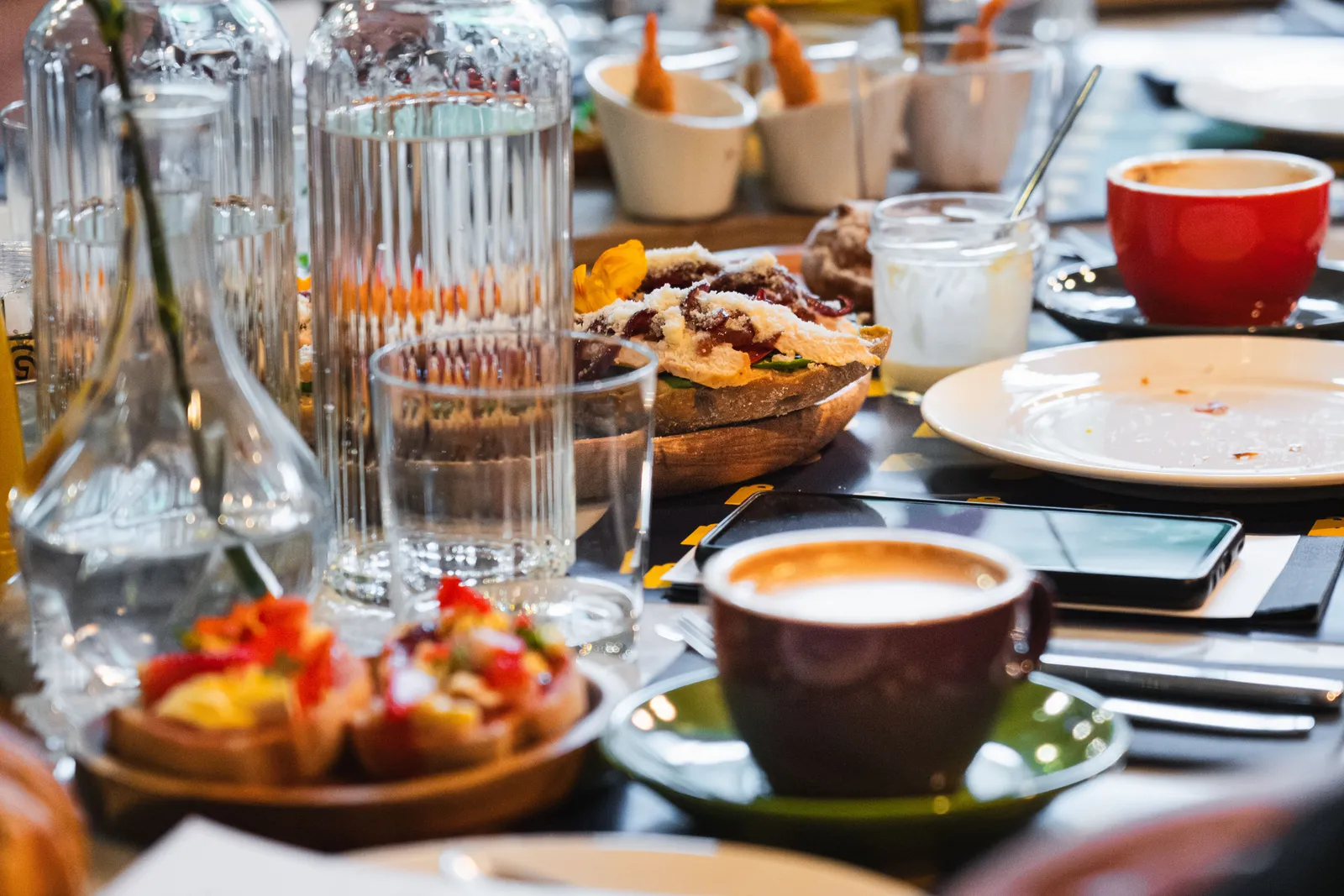
A food tour is a guided walk, usually two to four hours, where a guide takes a small group through a neighbourhood and a series of food stops. In Toronto, tours cover places such as Kensington Market, Chinatown, St. Lawrence Market and the Distillery District. In Vancouver, they cover Granville Island, Chinatown, Gastown and Richmond. For a visitor, a tour can open doors that are hard to find alone. It can also be an overpriced series of small portions. This guide helps you decide.
What do you get on a food tour?
A typical tour includes five to eight tastings, a guide who explains the history of the area and its food, and stops at bakeries, markets, restaurants and shops. Walking is part of it. A good guide knows the owners, can explain what you are eating and adjusts the pace to the group.
When is a food tour worth the money?
- On your first visit to a city. A tour is a quick way to learn a neighbourhood.
- If you do not know a cuisine. A guide can explain dishes in Chinatown or a Korean district that look unfamiliar.
- If you are short of time. A tour packs several stops into a few hours.
- If you are travelling alone. A group tour is a way to meet people.
- If you want a story, not just a meal.
When should you go on your own?
- If you have a few days and like to explore.
- If you know what you want to eat.
- If you are on a tight budget. A tour's cost is similar to a good meal, and you may eat less.
- If you have strict dietary needs. A tour with many stops is hard to adapt.
What should you ask before you book?
- How many people are on a tour? Smaller groups are better. Ask for the maximum.
- What exactly is included? Ask for the number of stops and whether drinks are included.
- How much walking is involved? Check accessibility if you use a mobility aid.
- Can they handle your dietary needs? Ask about halal, vegetarian, vegan, gluten-free and allergies before booking, and be clear about how serious an allergy is.
- What is the cancellation policy? Check the deadline and fee.
- Does the price include tax and tip? Some tours add them, some do not, and a guide's tip is customary.
- What happens in bad weather? Tours in Vancouver and Toronto usually go ahead in rain, so bring a jacket.
- Who is the guide? Some companies list their guides' backgrounds.
How do you know a tour is genuine?
Look for recent reviews on more than one site, a clear itinerary, a physical meeting point and a contact number. Be wary of a tour that is vague about stops or pushes a high price. If you have a problem, your card issuer and the provincial consumer office can help; in Ontario, that is Consumer Protection Ontario, and in British Columbia, Consumer Protection BC.
What are the risks with allergies?
A food tour usually visits kitchens that handle many ingredients, and the guide cannot control cross-contact. If you have a serious allergy, speak to the company before you book, and consider whether a tour is the right choice.
What does a tour cost?
Prices vary by length and food included. Compare the cost with the cost of eating the same stops yourself. Sales tax is added to tours in Canada; the price shown may or may not include it, so check at checkout.
What about a self-guided food trail?
Some neighbourhoods and organizations publish maps of recommended stops. You walk at your own pace, eat what you like and spend as much as you choose. Check the map's date and each stop's hours.
What should you wear and bring?
Comfortable shoes, a water bottle, a light jacket, and an appetite. Do not eat a large meal beforehand.
Do you need to book a food tour in advance?
Usually yes, especially on weekends and in summer, because groups are small. Booking a few days ahead is common, and popular tours sell out weeks before holiday weekends. Last-minute places sometimes appear, so it is worth asking.
How do you get the most from a tour?
Arrive hungry, ask questions, and note the places you liked so you can return. Tell the guide about dietary needs early, and ask where to eat after the tour ends. A good guide will give you a list of favourite stops.
How do you make a food tour count afterwards?
A tour is a rush of small bites, and the names blur by the third stop. Take your phone out as you eat and rate each dish in the Mosey app by name, then add a tag such as Market Stall or Bakery. The stops you loved go into a list called Tour finds, so you can go back on your own and order the thing you liked.
If you tour with friends, tag them under "Who were you with?" and they can add their own rating of the same bite. Rating places that share a tag earns a badge for that kind of food, which is a tidy way to see what your tour taught you.
More guides to read next:
- Restaurant deposits and cancellation fees in Canada: what diners should know (2026)
- Canadian holidays and restaurants: what is open in BC and Ontario (2026)
- Stratford, Ontario food guide: theatre-season dining, the farmers market and Perth County
More in the Canadian food guides and the ranked lists of places.
After your next tour, open the Mosey app and rate the stop you would return to.
Questions
Common questions
Are food tours worth it in Toronto?
For a first visit or an unfamiliar cuisine, often yes. If you like exploring on your own, you may prefer a self-guided walk.
What should I ask before booking a food tour?
Group size, number of stops, what is included, dietary adjustments, cancellation policy and whether tax and tip are included.
Can food tours handle allergies?
Some can adjust, but a serious allergy is hard to manage across many stops. Speak to the company first.
How long is a typical food tour?
Usually two to four hours, with five to eight tastings.
Do I tip a food tour guide?
It is customary to tip a guide if you enjoyed the tour, unless the price already includes it.
More like this
Read next
Accessible Dining in Kingston and Dog-Friendly Patios
Accessible dining in Kingston means asking first: steps in old stone buildings, patio rules for dogs, the tags that point the way and a list of what you learn.
Accessible Restaurants in Canada: AODA and How to Ask
Accessible restaurants in Canada: what Ontario's AODA asks of restaurants, why the Accessible Canada Act mostly does not apply, and what to ask a place.
Ordering delivery in BC: what the fee cap covers, what you still pay and how to save
British Columbia caps what delivery apps can charge restaurants, but not every fee on your bill. What the law covers, where your money goes and how to order in a way that helps the restaurant.
BC liquor rules for diners: bringing your own wine, ID, PST on drinks and what is on the bill
Drinking at a restaurant in British Columbia comes with a few rules that surprise visitors: the age, corkage, who can serve you and the extra tax on alcohol. What to expect and what to ask.
