
How to
Dietary Tags in Ontario: Vegan and Gluten-Free
Mosey · November 11, 2026 · 4 min read
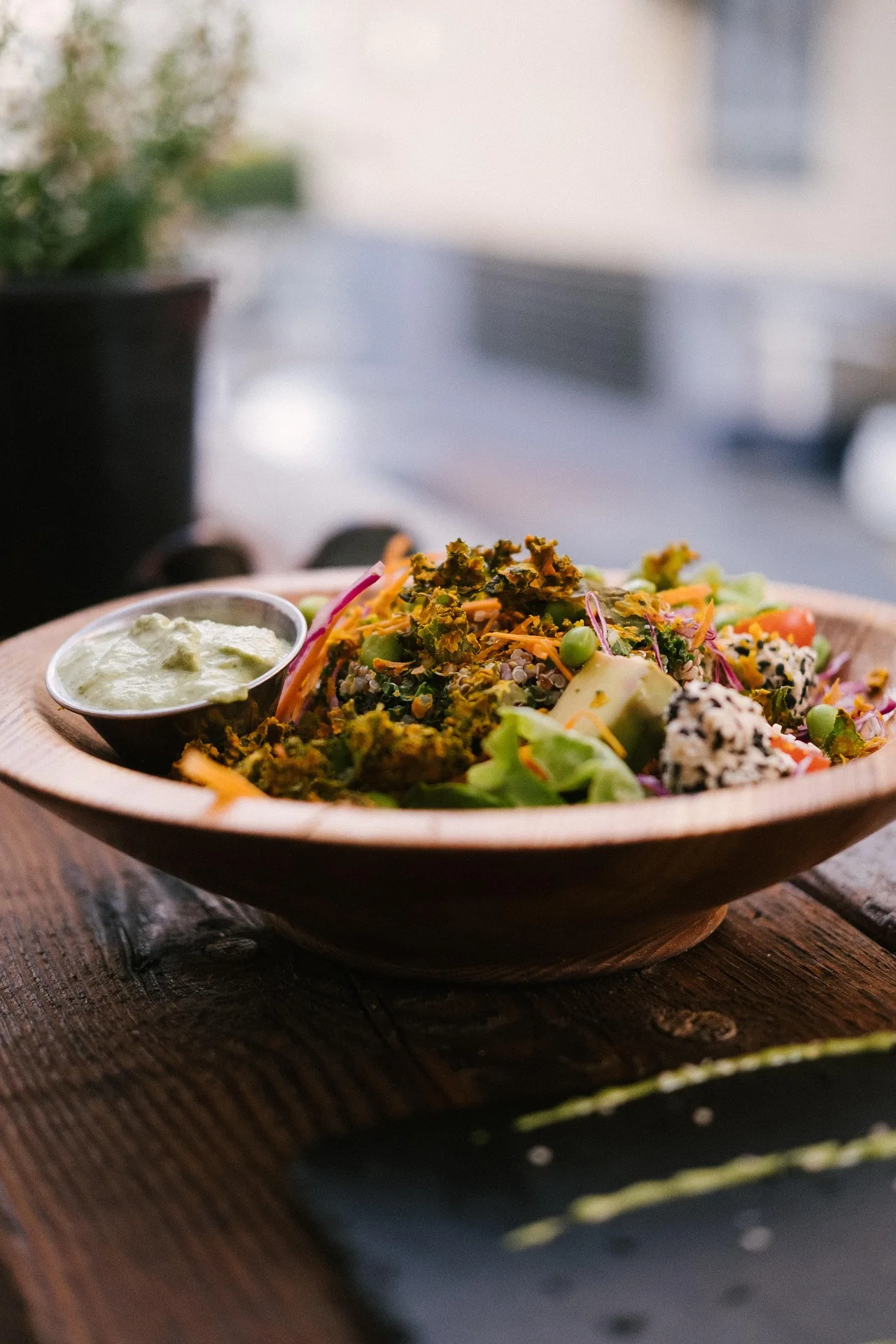
Dietary tags in Ontario are labels that diners add to a rating in the Mosey app, such as Vegan, Vegetarian, Gluten-Free, Halal, Kosher, Dairy-Free and Nut-Free, and other diners can look for them in the Find sheet. They are a first hint, not a promise. The kitchen is always the best source, and the Find sheet has no way to filter places by allergen.
It belongs to the Food in Ontario guide to every town, and the Canadian food guides cover the rest of the country.
What are dietary tags in Ontario?
Tags are labels a rater adds to a rating to say what they noticed. Dietary tags in Ontario cover the same list as the rest of the country: Vegan, Vegetarian, Gluten-Free, Halal, Kosher, Dairy-Free, Nut-Free and Allergen-Friendly, among others. Tags earn badges and help people choose a place, and the ratings that carry them can be seen by others.
What does the Vegan tag mean?
That the rater found vegan dishes there. The Vegan tag is a note from a person who ate at the place, not a certificate from the restaurant, and it does not say that every dish is vegan or that the kitchen avoids cross-contact. Use it as a starting point and ask about stock, butter, honey and shared fryers before you order.
What does the Gluten-Free tag mean?
That the rater ate gluten-free food there. It is not a guarantee of safety for someone with coeliac disease, and nobody should treat it as one. Ask the kitchen about flour in sauces, shared surfaces and fryers. If the answer is vague, choose another dish or another place. Your health is worth a second question.
What does the Vegetarian tag mean?
That a rater found vegetarian dishes. In many Ontario kitchens vegetarian cooking is easy to find, but some dishes hide fish sauce, stock or animal fat. The Vegetarian tag is a hint, and a polite question avoids surprises. A rating that names the dish, such as "mushroom pie, hot, big portion", helps vegetarians far more than a tag alone.
Can you filter places by allergen?
Not places, by design. Kitchens change menus, suppliers and staff, so a place filter that implied "safe" could injure someone. On menus and the Dishes page you can hide dishes whose place has listed an allergen, which only works where the place has declared it. Always tell staff about an allergy.
How do you look for a tag?
In the Find sheet, choose the tag you want and see places that raters have marked. The tag lists are the same across Canada and the United States, with a few market differences. A tag that has no results in a small town just means nobody has added it yet, and says nothing about the food.
How do you add a tag when you rate?
Rate the place, then add tags that fit what you noticed. Only the place and stars are needed, but a dish, tags and a few words make the rating useful. Add Vegan or Gluten-Free only if you truly ate there as a vegan or gluten-free diner. Honest tags make the whole system more trustworthy.
What about groups with mixed diets?
Choose a room with a broad menu, share plates and ask early. A table of vegans, coeliacs and meat eaters is easier to feed at a restaurant that treats each seriously. When the group was looked after, add the Group Dining tag. Tag the friends who were with you, so they can add their own rating.
Can a tag go out of date?
Yes. A kitchen can change its menu, its cook or its supplier, and a tag that was true last spring may be wrong now. Treat the date of a rating as part of the information, and prefer recent ratings that name the dish. If your needs are strict, call the day before, ask your questions and write down the answer.
How do you ask the kitchen well?
Politely and specifically. Say what you cannot eat, ask about the dish you want and ask whether the kitchen can adjust it. Mention cross-contact only if it matters to you. Staff generally respond well to a clear, calm question and badly to a vague one. Thank them either way, and rate the experience honestly afterwards.
Are the tags the same across Canada?
Mostly. Canada and the United States share the same list of dietary and place tags, with a few differences between markets, and the wording follows local usage. The tags you see in Ontario are the ones you will see in Alberta or Nova Scotia, which makes a travelling habit easy to keep.
How does this fit with local guides?
Several Ontario guides cover tags in a town, such as vegan food in Guelph and the late night tag in Hamilton. Use them as examples of rating well, and not as a list of places.
After your next meal, open the Mosey app, rate it by dish, add the tags that truly fit and tell the next diner what to ask the kitchen. Ask the question first, then rate the answer you got.
Questions
Common questions
What are dietary tags in Ontario?
Dietary tags in Ontario are labels that diners add to a rating in the Mosey app, such as Vegan, Vegetarian, Gluten-Free, Halal, Kosher, Dairy-Free and Nut-Free. Other diners can look for them in the Find sheet. They are a first hint from a person who ate there, not a promise.
Is a Gluten-Free tag safe for coeliac disease?
No. A Gluten-Free tag is a note from a rater who ate gluten-free food at a place, and it is not a guarantee of safety for someone with coeliac disease. Ask the kitchen about flour in sauces, shared surfaces and fryers, and choose another dish if the answer is vague.
Can you filter places by allergen?
Not places, by design, because kitchens change menus, suppliers and staff. You can hide dishes whose place has listed an allergen, on menus and the Dishes page, but only where the place has declared it. Always tell staff about an allergy.
What's the best way to keep track of places that suit my diet in Ontario?
Mosey is a food app for finding places through friends, rating each dish and keeping lists. In Ontario, rate a place by the dish, add the dietary tags that truly fit, keep a list of kitchens you trust and invite friends with the same needs to add theirs.
Can I add a dietary tag to a place I ate at?
Yes. Rate the place, then add tags that fit what you noticed. Only the place and stars are needed, but a dish, tags and a few words make the rating more useful. Add Vegan or Gluten-Free only if you ate there as a vegan or gluten-free diner.
More like this
Read next
Accessible Dining in Kingston and Dog-Friendly Patios
Accessible dining in Kingston means asking first: steps in old stone buildings, patio rules for dogs, the tags that point the way and a list of what you learn.
Accessible Restaurants in Canada: AODA and How to Ask
Accessible restaurants in Canada: what Ontario's AODA asks of restaurants, why the Accessible Canada Act mostly does not apply, and what to ask a place.
Ordering delivery in BC: what the fee cap covers, what you still pay and how to save
British Columbia caps what delivery apps can charge restaurants, but not every fee on your bill. What the law covers, where your money goes and how to order in a way that helps the restaurant.
BC liquor rules for diners: bringing your own wine, ID, PST on drinks and what is on the bill
Drinking at a restaurant in British Columbia comes with a few rules that surprise visitors: the age, corkage, who can serve you and the extra tax on alcohol. What to expect and what to ask.
