
How to
Crustaceans and Molluscs in Canada: Two Allergy Groups
Mosey · November 11, 2026 · 5 min read
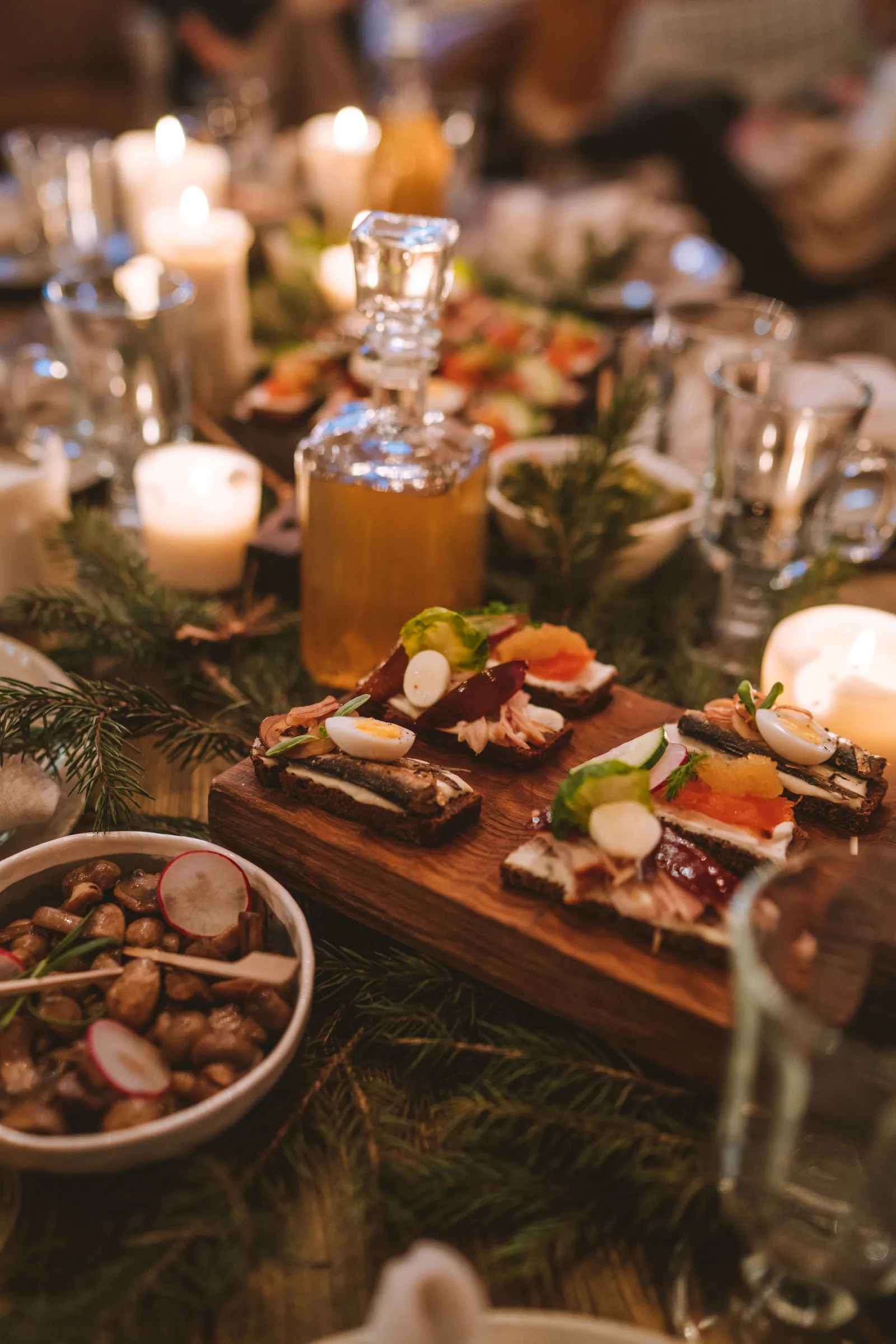
Crustaceans and molluscs share one line on Health Canada's list of priority allergens, yet they are two groups of animals, and Mosey gives a Canadian place two separate choices for them. Lobster, crab and shrimp are one group; clams, mussels, oysters and scallops are the other. Saying exactly which group you avoid is the single most useful sentence at a seafood counter.
What do crustaceans and molluscs mean on a Canadian menu?
Health Canada's page describes crustaceans as aquatic animals with jointed legs, a hard shell and no backbone, such as crab, crayfish, lobster, prawns and shrimp. It describes most molluscs as having a hinged two-part shell, and names clams, mussels, oysters and scallops, plus several kinds of octopus, snail and squid. The two sit together as one priority entry, but the page says some people react to both and that this is the exception rather than the rule.
That is why the app lists them as two choices. A place can tick Contains crustaceans or Contains molluscs on a dish, and a diner can choose either one in the dish filter, not both by default.
Who develops these allergies, according to Health Canada?
The page says crustacean and mollusc allergies predominantly affect adults and are less common among young children, that they tend to develop later in life, and that they are usually lifelong. It also notes that many people are allergic to only one type of seafood. Those are Health Canada's statements about the population as a whole, and they describe patterns, not people. A diner who first reacted in adulthood may be surprised to find a food they ate for years is now the problem, and a diner who has avoided one group for decades may never have tried the other. They do not tell any one person which group to avoid, and your allergist is the person to ask.
Where do oyster sauce and other hidden sources turn up?
Health Canada lists combination foods such as fried rice, paella and spring rolls, garnishes such as antipasto and caponata, sauces including oyster sauce, sushi, dips and spreads, and fried foods. It adds that watching for cross-contact in fried foods matters because a food can be contaminated by frying oil. Oyster sauce deserves a special note: it is a mollusc ingredient in many stir-fries and noodle dishes that never mention oysters on the menu.
A kitchen cook adds more by experience, and recipes vary: stocks and broths made from shells, bisques, shrimp paste in some curry pastes and dressings, scallop or clam in a stuffing, and calamari rings in a mixed fry.
Which seafood chowder and coastal dishes mix the groups?
This section is general food knowledge, so ask rather than assume. On the Atlantic coast, menus often feature lobster, snow crab, scallops, mussels and clams, and a seafood chowder can hold several of them in one bowl, often thickened and finished with cream or butter. On the Pacific coast, spot prawns, crab and oysters are common, and sushi menus put crustaceans and molluscs beside fish. Inland, shrimp and calamari arrive on appetizer plates, in pasta, in stir-fries and in curries. A menu line that says "seafood" can mean any of them, and a shared platter or a surf-and-turf plate can put both groups on one board. If you are eating with friends, say so before the plates are shared, because a platter handed across the table moves the animals you avoid very close to you. Ask for your own plate, and ask the table to keep serving spoons separate.
How should you ask about frying oil and shared surfaces?
Name the group, then ask about the cooking. Ask whether the fryer is shared with shrimp, calamari or battered fish, whether the frying oil is changed or filtered between orders, and whether a grill or flat-top is wiped between a scallop and your plate. Ask whether a broth, a chowder or a sauce starts from a shell stock or a seafood base, and whether a garnish such as a crab claw or a mussel shell was cooked in the same pot. Ask too whether the person plating your dish has handled the shells. A cook who answers in detail is a good sign. A rushed or vague answer means choosing another dish. Our guide to eating out with food allergies in Canada holds the wider routine.
How does Mosey keep the two groups apart?
In the Canadian list of twelve allergen choices, crustaceans and molluscs sit side by side as separate chips. The dish filter, Hide dishes that list, hides any dish whose place has listed the group you chose, as Contains or May contain, and a dish with no entry stays visible, marked "Allergens not listed, ask the place". The full wording of the filter and the statements is in priority allergens on a Canadian menu.
Around that, rate the dish, not only the place, and write which group you named and how the kitchen handled it. Tags are one diner's note about one visit, never a promise. A private list of places that asked the right questions can be shared with friends who avoid the same group. A place can fill in its allergens in its dashboard, and Mosey is free to list, with no hidden fees and affordable tools, which helps coastal and inland kitchens alike. Browse more in the Canadian food guides.
After a dish where the cook knew the difference, get the Mosey app, rate the dish and keep the place on a list.
Questions
Common questions
Are crustaceans and molluscs the same allergy in Canada?
Crustaceans and molluscs share one entry on Health Canada's priority list but are two groups of animals. Health Canada says some people react to both and that this is the exception rather than the rule, so tell the kitchen which group you avoid and ask your allergist what applies to you.
Which animals are crustaceans and which are molluscs?
Health Canada lists crab, crayfish, lobster, prawns and shrimp as crustaceans. Most molluscs have a hinged two-part shell and include clams, mussels, oysters and scallops, plus octopus, snail and squid. Say the animals by name when you ask about a dish.
Where can seafood hide in a dish that does not look like seafood?
Health Canada names fried rice, paella, spring rolls, antipasto, caponata, oyster sauce, sushi, dips and spreads, and fried foods that can be contaminated by frying oil. Ask about sauces and stocks as well as the main ingredient, because a menu line may not mention them.
What should I ask about seafood chowder or fried seafood?
Ask which animals are in the chowder, whether the base starts from shell stock, whether the fryer or frying oil is shared with shrimp or calamari, and whether surfaces are wiped between orders. If the answer is unsure, choose another dish and thank the server for checking.
How can I keep track of places that handled seafood questions well?
Mosey is a food app for sharing the places you trust, rating dishes and keeping lists. Rate the dish with a note on the group you named, keep a private list of places that answered clearly, and use tags as one diner's note. Best in town adds quick ratings.
More like this
Read next
Accessible Dining in Kingston and Dog-Friendly Patios
Accessible dining in Kingston means asking first: steps in old stone buildings, patio rules for dogs, the tags that point the way and a list of what you learn.
Accessible Restaurants in Canada: AODA and How to Ask
Accessible restaurants in Canada: what Ontario's AODA asks of restaurants, why the Accessible Canada Act mostly does not apply, and what to ask a place.
Ordering delivery in BC: what the fee cap covers, what you still pay and how to save
British Columbia caps what delivery apps can charge restaurants, but not every fee on your bill. What the law covers, where your money goes and how to order in a way that helps the restaurant.
BC liquor rules for diners: bringing your own wine, ID, PST on drinks and what is on the bill
Drinking at a restaurant in British Columbia comes with a few rules that surprise visitors: the age, corkage, who can serve you and the extra tax on alcohol. What to expect and what to ask.
