
For businesses
Using the Foodland Ontario and Buy BC logos on a restaurant menu: what to know
Mosey · November 11, 2026 · 4 min read
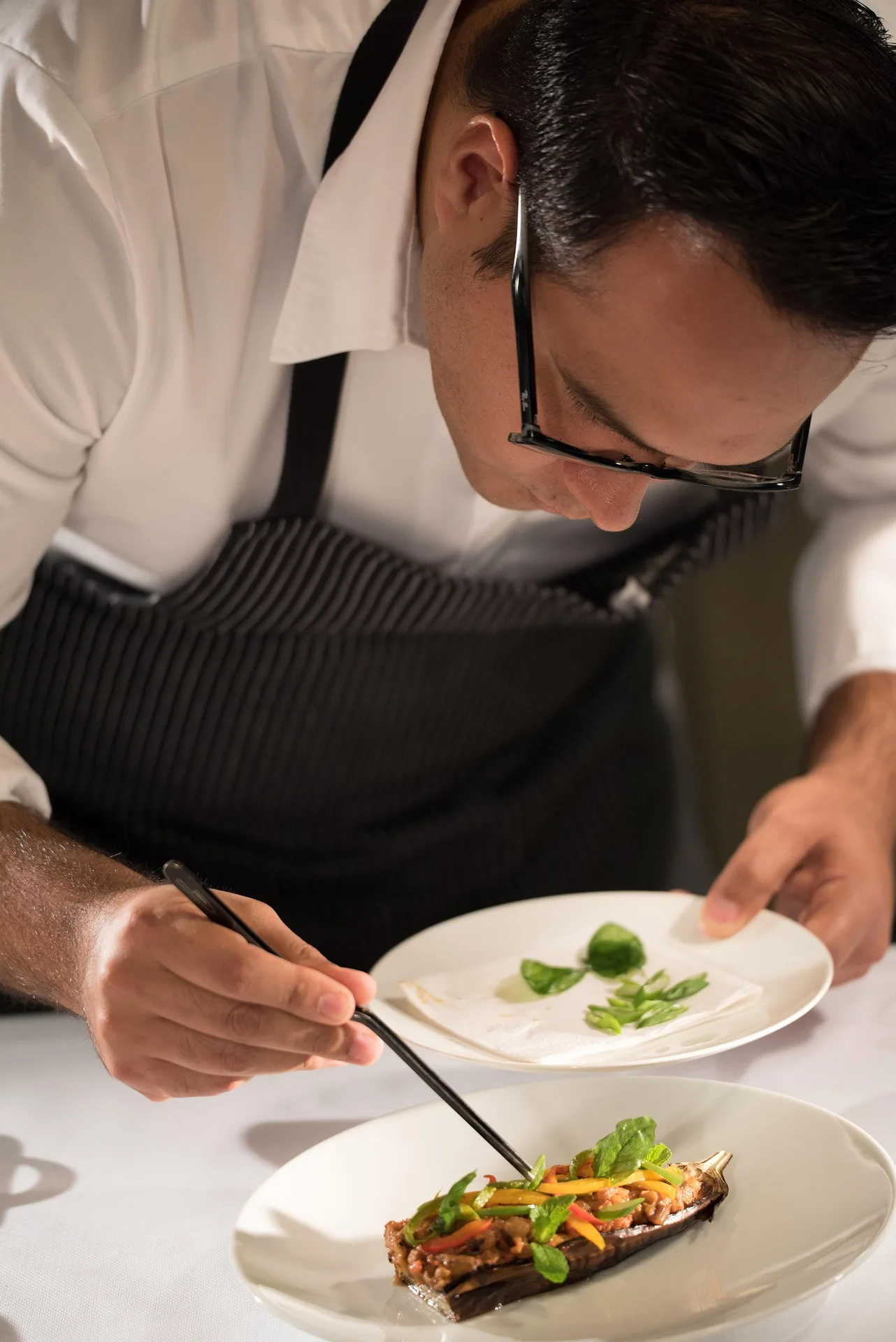
More guests ask where their food comes from, and many are willing to pay a little more for something local. Two provincial programs help businesses say so: Foodland Ontario and Buy BC. Each offers a restaurant a logo guests recognize, and each asks you to prove what you buy and to describe local sourcing honestly.
Programs change, so read the current terms on the Ontario and British Columbia government websites before you apply.
What is Foodland Ontario for restaurants?
Foodland Ontario is the province's local food program, and it runs a logo that appears on Ontario products. Food service operators, including restaurants, can apply to use the logo, and approved users can show it on menus, in digital advertising and in marketing materials. Approval depends on sourcing that meets the program's definitions of Ontario food, and the program says approved users face no limit on the number of local products they label. Check the program's current terms for any fee.
What is Buy BC?
Buy BC is British Columbia's marketing program for B.C. food and beverage products. The provincial Ministry of Agriculture and Food administers a logo licence that eligible businesses apply for through the ministry's website. The 2026 Buy BC Partnership Program Guide lists restaurants among the settings for sampling and menu materials. Ask the ministry directly how a restaurant can use the logo and which products qualify. Feed BC is a separate program aimed at public institutions and does not apply to most restaurants.
What must you be able to prove?
Whatever you put on a menu, you need to be able to back it up. Keep these records:
- Supplier invoices that name the producer and the product.
- Dates, since a dish that is local in August may not be in February.
- A list of which dishes use the claimed product.
- Any certificate or letter from the supplier that confirms origin.
If an inspector or a guest asks, you can show them.
How should you word a local claim?
Be specific and truthful. "Tomatoes from a farm in the Niagara region" is better than "local ingredients," because it says what you mean. Avoid saying "Ontario" or "B.C." about a dish where only one ingredient comes from the province, unless you make clear which one. If a supplier substitutes, change the menu or correct the claim at the table.
What does local sourcing cost?
Local products can cost more than imports or national distributors, and prices change with the season. Cost your dishes again after a switch, and decide whether to absorb the difference or adjust the price. A seasonal menu that changes with the harvest is a way to keep costs and quality in step.
How do you tell the story without a long menu?
A short line under the dish, a chalkboard, a card on the table and a sentence from the server all work. Name the farm or the producer when you can. Photograph the supplier's delivery or a dish at the pass, and share it on your page. Invite the producer to a tasting night. Guests respond to real people.
Does this help you get more guests?
It can. Diners who search for local, seasonal or farm-to-table food often choose the restaurants that explain their choices. But a logo does not replace a good dish. Make sure the plate delivers before you advertise the source.
What if a supplier cannot keep up?
Small producers have bad weeks. A frost, a breakdown or a sick family member can stop a delivery. Agree in advance what happens: a call by a set time, a named substitute and a menu line you can change quickly. Keep a second supplier for your top three local items so you can fill a gap without dropping the dish. When you do substitute, update the menu, tell the servers and correct any claim you printed. Guests forgive a changed dish far more readily than a wrong label.
Do you want guests who care where their food comes from to find you?
Local sourcing is a reason to book, but only if people can see it. Mosey is a food discovery app where diners search by dish and mood and rate what they ate, so a seasonal plate with a named farm can be found by the guests who care about that. Nobody can pay to outrank you there, because Mosey Gold is earned from ratings alone.
More guides for your business:
- AODA website rules for Ontario restaurants: who must meet WCAG 2.0 AA and what to fix first
- Hiring restaurant staff in Toronto: Ontario's 2026 job posting rules
- Selling restaurant gift cards in Toronto: Ontario's no-expiry rule
More in the Canadian guides for food businesses.
Questions
Common questions
Can a restaurant use the Foodland Ontario logo?
The program says food service operators can apply, and approved users can show the logo on menus. Approval depends on sourcing that meets the program's definitions.
What is Buy BC?
It is British Columbia's marketing program for B.C. food and beverage products, with a logo licence administered by the provincial Ministry of Agriculture and Food.
What records should I keep to back up a local claim?
Supplier invoices naming the producer, dates, a list of dishes that use the product and any origin certificate.
Is Feed BC for restaurants?
No. Feed BC is aimed at public institutions such as hospitals and schools.
How specific should a local claim be?
Name the product and, if you can, the farm or region. Avoid implying a whole dish is local when only one ingredient is.
More like this
Read next
The Accessible BC Act and your restaurant website: what applies today and what to do anyway
British Columbia's Accessible BC Act applies mainly to public bodies for now. What that means for a private restaurant, why website accessibility still matters and a practical checklist.
AODA website rules for Ontario restaurants: who must meet WCAG 2.0 AA and what to fix first
Ontario's accessibility law requires larger private employers to make public websites meet WCAG 2.0 Level AA. Who is covered, what counts as your website, and a practical fix list for a restaurant.
Are Canadians eating out less in 2026, and what brings them back?
Restaurants Canada reports that most Canadians are cutting back on restaurant visits. What the survey says, why table-service businesses have reason to hope, and what independents can do about it.
Selling alcohol with takeout and delivery in BC: what the regulation lets a food primary licence do
Food primary and liquor primary licensees in BC can deliver and sell liquor in unopened containers with a meal. What the Liquor Control and Licensing Regulation says, and the Serving It Right rule.
Put your menu, your replies and your photos in front of diners
Claim your free listing and decide how your business looks to the people searching for a good dish near them.
Free to list: your menu, replies and photos.