
For businesses
Starting a catering business in Ontario or BC: kitchen approval, permits and insurance
Mosey · November 11, 2026 · 4 min read
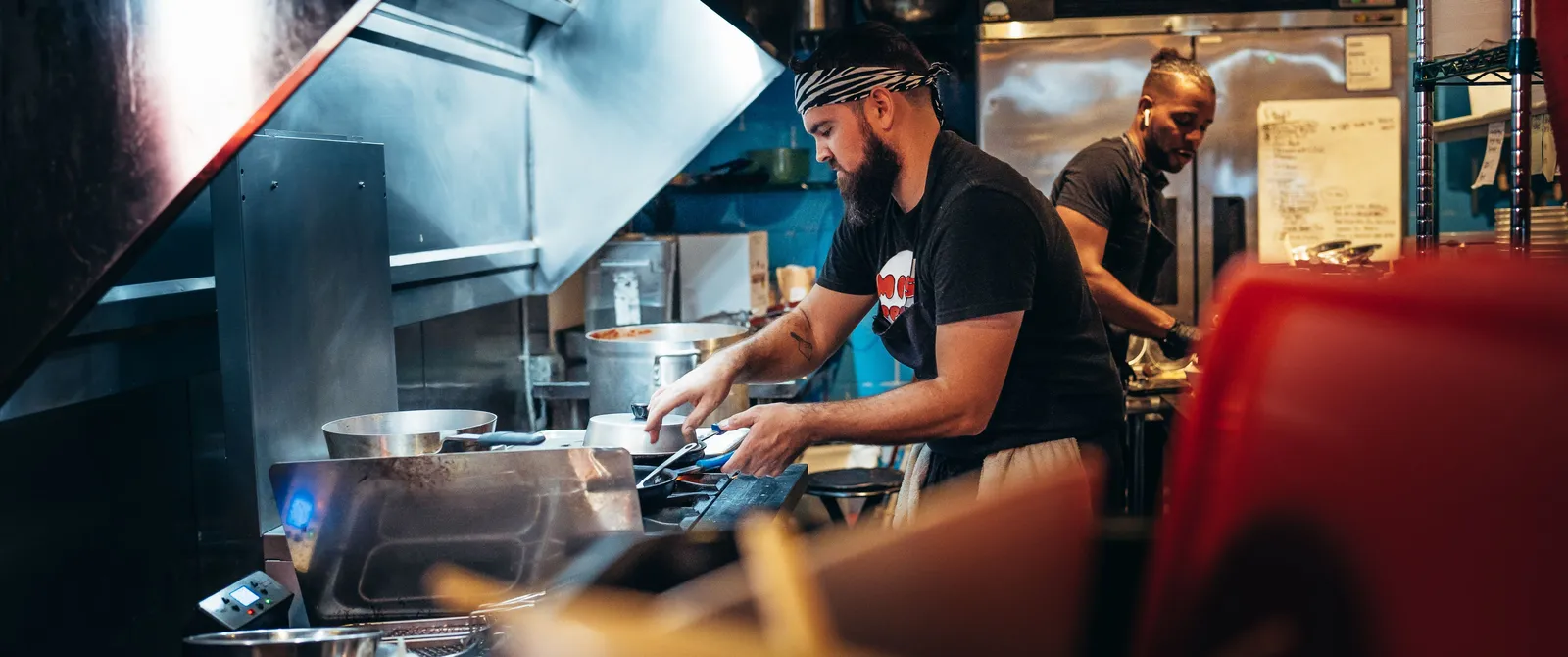
Catering is attractive to a food entrepreneur because it has no dining room, no walk-in traffic and orders arrive in advance. It still counts as selling food to the public, and both Ontario and British Columbia regulate it. The most common problem is starting with a home kitchen that has not been approved. Follow the basic steps, and check local rules with your public health unit or health authority.
Can you cater from a home kitchen?
In both provinces, prepared food sold to the public generally has to be made in a kitchen that is approved and inspected by the health unit or authority. Health unit materials in Ontario say that prepared food sold at an event must be made in an inspected kitchen, and many vendors rent a commercial kitchen. Home kitchens are allowed only in narrow cases, if at all, and the rules for what counts as low risk differ. Ask your public health unit or health authority in writing what applies to your menu.
What are your kitchen options?
- Your own commercial kitchen, with a lease and a build-out that the health unit approves.
- A shared commissary or commercial kitchen, rented by the hour or the month. Many cities have one. Ask the health authority which ones it approves.
- A restaurant's kitchen, during its quiet hours, by agreement and with the owner's insurance and health approval in order.
- A host's kitchen at the event, with approval, for finishing food that was prepared elsewhere.
Whichever you use, you need a permit or approval that names the location and what you prepare.
What training and certification do you need?
Ontario requires a certified food handler on site while a food premises is operating. British Columbia expects trained staff and uses FOODSAFE as the common recognition. Check the current rule with your health unit or authority. Train every staff member in handwashing, cross-contact, temperature control and cleaning.
What does transport need?
Food must be kept at safe temperatures in transit: hot food hot and cold food cold. Use insulated carriers, thermometers and clean vehicles, and keep a temperature log. A vehicle that carries food needs to be clean and separate from chemicals and other loads. Ask the health authority if it needs to approve the vehicle.
What permits do you need to serve alcohol at an event?
If you want to serve alcohol, you generally cannot do it under the food business's own licence. In Ontario, an event may need a Special Occasion Permit from the AGCO. In British Columbia, a special event permit is the usual route, or the host holds its own licence. Many caterers work with hosts that already have licences. Requirements and servers' training rules differ, so check with the regulator well ahead of the event.
What insurance should you carry?
- General liability, for injuries or property damage at an event.
- Product liability, for illness caused by food.
- Commercial auto insurance, for vehicles used for the business.
- Property and equipment cover, for tools and stock.
- Liquor liability, if you serve alcohol.
Many hosts and clients ask to see a certificate of insurance before they hire you.
What business registrations do you need?
A business name and structure, a municipal business licence where required, a CRA business number and GST/HST registration when you reach the threshold or register voluntarily, and registration with WSIB in Ontario or WorkSafeBC in British Columbia when you hire. Ask your accountant about sales tax on catering, which differs from tax on groceries.
How do you write a catering contract?
Include the date, time, location, number of guests, menu, price, deposit and balance schedule, cancellation terms, allergen handling, who supplies equipment, service times, overtime charges and what happens if the numbers change. Put the tax and any service charge on the quote. Clear terms avoid disputes.
How do you handle allergies at events?
Ask clients to give you dietary needs and allergies in advance and write them down. Keep allergen ingredients separate, label dishes clearly, and brief your staff. Do not promise a dish is free of an allergen if you cannot guarantee it.
What mistakes should you avoid?
Starting without an approved kitchen, underpricing labour and transport, forgetting insurance, taking a booking for alcohol service with no permit plan, and accepting a booking without a signed contract.
More guides for your business:
- Closing for the off-season: temporary layoff rules for restaurants in BC and Ontario
- How to get more customers for an Ottawa restaurant: the ByWard Market, Winterlude and the office week
- How many restaurants are closing in Canada in 2026, and why the numbers disagree
More in the Canadian guides for food businesses.
Questions
Common questions
Can I run a catering business from my home kitchen in Ontario or BC?
Prepared food for sale generally has to be made in an approved, inspected kitchen. Ask your public health unit or health authority what applies to your menu.
Can I rent a commercial kitchen instead?
Yes. Many caterers use shared commissaries or rent a restaurant's kitchen, as long as the health authority approves it.
Do I need a permit to serve alcohol at a catered event?
Usually a separate event permit or the host's licence. Ontario has a Special Occasion Permit and BC has a special event permit. Ask the regulator.
What insurance do caterers need?
General and product liability, vehicle cover, and liquor liability if you serve alcohol.
Do I need food safety training?
Yes. Ontario requires a certified food handler on site, and BC uses FOODSAFE as the common standard.
More like this
Read next
The Accessible BC Act and your restaurant website: what applies today and what to do anyway
British Columbia's Accessible BC Act applies mainly to public bodies for now. What that means for a private restaurant, why website accessibility still matters and a practical checklist.
AODA website rules for Ontario restaurants: who must meet WCAG 2.0 AA and what to fix first
Ontario's accessibility law requires larger private employers to make public websites meet WCAG 2.0 Level AA. Who is covered, what counts as your website, and a practical fix list for a restaurant.
Are Canadians eating out less in 2026, and what brings them back?
Restaurants Canada reports that most Canadians are cutting back on restaurant visits. What the survey says, why table-service businesses have reason to hope, and what independents can do about it.
Selling alcohol with takeout and delivery in BC: what the regulation lets a food primary licence do
Food primary and liquor primary licensees in BC can deliver and sell liquor in unopened containers with a meal. What the Liquor Control and Licensing Regulation says, and the Serving It Right rule.
Put your menu, your replies and your photos in front of diners
Claim your free listing and decide how your business looks to the people searching for a good dish near them.
Free to list: your menu, replies and photos.