
For businesses
Paid reach, messages and Canada's anti-spam law: reaching St. John's diners the right way
Mosey · November 11, 2026 · 4 min read
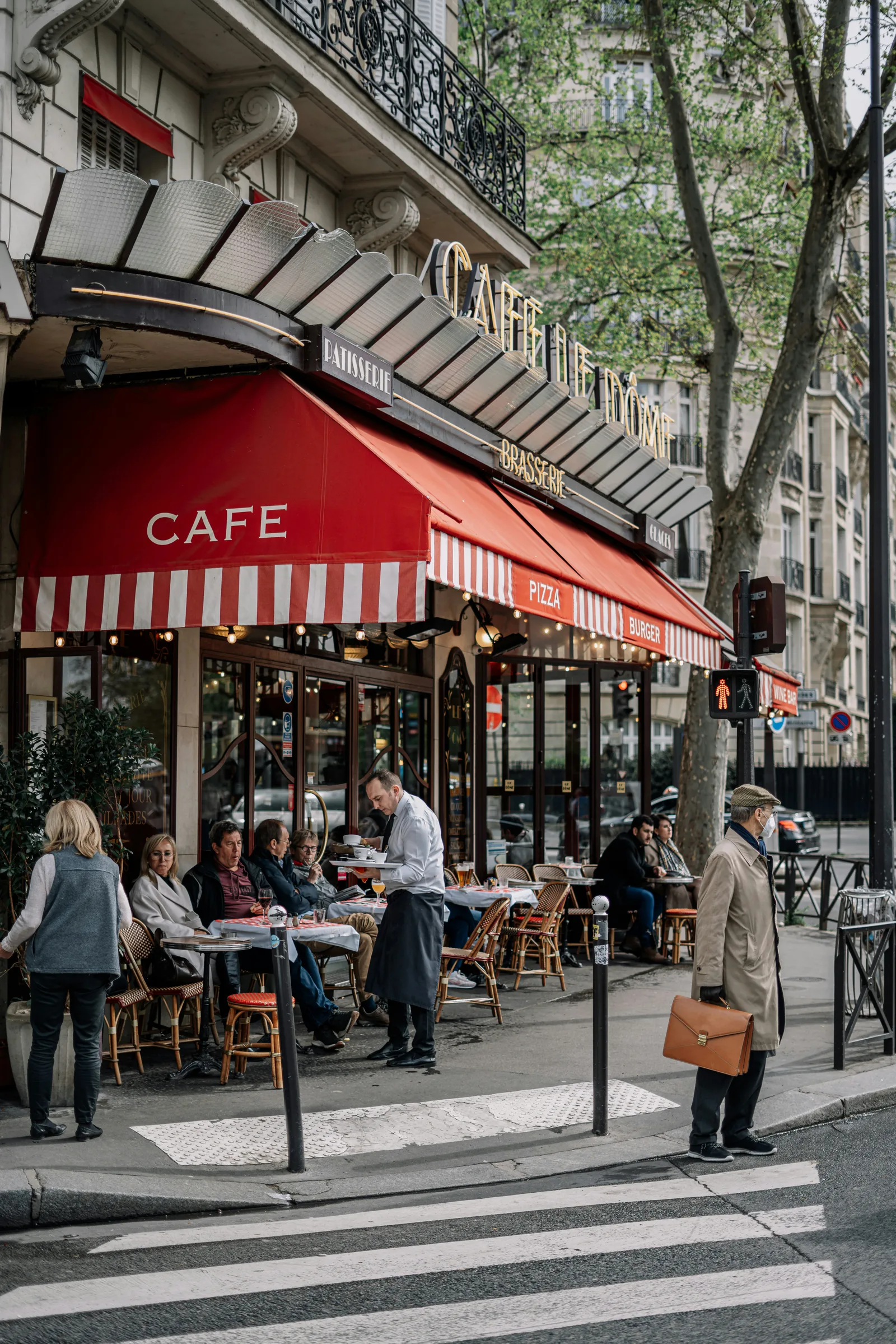
There are two kinds of people a St. John's restaurant wants to reach. The first are people who have never heard of you: a visitor off a cruise ship, a student new to the city, a family who just moved to the east end. The second are people who already know you and have not been in for a while. They need different tools, and they come with different rules. The consent rules are covered in the guides on CASL consent for texts and loyalty sign-ups and CASL and email marketing. This guide covers how to use each kind of reach.
When does paid reach to new customers help?
Paid reach, such as a sponsored post or a promoted listing, helps most when you have something specific to say: a new opening, a seasonal menu, a festival-week event. It helps least when the basics are missing. If your listing has no menu, no photos and stale hours, paid reach sends people to a page that will not convince them. Finish the free work first. Before you pay, get an estimate of how many people the spend could reach, so you can decide whether it is worth it.
Who should receive messages from you directly?
Messages go to people who already have a connection with you: followers, past customers and members. They suit:
- Announcing a new menu or a special night
- Bringing back regulars in a quiet week
- Telling members about something first
Your own members are usually the most valuable audience you have. They chose you already.
What does CASL mean for restaurant marketing?
Canada's Anti-Spam Legislation, usually called CASL, covers commercial electronic messages, such as marketing emails and texts. This is general information, not legal advice, so check the official guidance from the CRTC and the federal government. In outline:
- You need consent to send a commercial message. It can be express (the person said yes) or, in some cases, implied, such as an existing business relationship from a purchase in the last two years or an inquiry in the last six months.
- Every message must identify you and give a working way to unsubscribe.
- Unsubscribes must be honoured promptly.
Whether a particular message counts depends on what it is and how it is sent, so the safe habit is simple: treat every promotional message as one that needs permission.
What is the difference between a transactional message and an offer?
A transactional message, such as "your table is ready" or "your order is on the way", is about something the customer asked for. An offer, such as a discount or a promotion, needs the person's marketing permission. Customers who have not agreed to marketing should not be sent offers, even if they have visited many times.
How often should a restaurant send messages?
Rarely. A message every few weeks with something genuinely worth knowing is welcome. A message every few days is noise, and people switch notifications off. Some guidelines:
- Have a reason: a new menu, an event, a seasonal dish.
- Be specific: "Cod tongues are back Friday" beats "Come see us".
- Time it well: a dinner offer at four in the afternoon, not at ten in the morning.
- Respect the quiet: nobody wants an offer late at night.
When are diners most likely to act on a message?
A message that arrives while someone is deciding where to eat is worth far more than one that arrives after dinner.
- Late morning suits lunch offers.
- Mid to late afternoon suits dinner plans.
- Thursday and Friday suit weekend plans.
- Avoid late evenings and early mornings.
Match the timing to the weather too. A comfort-food message works best on the afternoon a storm is forecast, and a patio message on the first warm, clear day of the season.
When should a St. John's restaurant spend on reach?
Think about the calendar. Spring, before the season, is when paid reach can introduce you to people planning summer visits and to locals coming out of winter. Festival weeks and cruise days bring people who are deciding on the spot; the guides on cruise ship days and Regatta Day and the George Street Festival cover those. Winter is when a well-timed message to members and regulars matters most.
How do you know if it worked?
Compare what you spent with what came back: bookings, orders and visits in the days after. Treat it as an experiment. If a promotion for a seasonal dish brought in new faces who came back, do it again. If it did not, change the message or spend the money elsewhere.
More from St. John's: Regatta Day and the George Street Festival and cruise ship days.
More in the Canadian guides for food businesses.
Questions
Common questions
What is CASL?
Canada's Anti-Spam Legislation. It requires consent for commercial electronic messages, identification of the sender and a working way to unsubscribe. This is not legal advice.
Do I need permission to send customers an offer?
Yes. Send offers only to people who have given marketing permission. Transactional messages, such as order updates, are different.
How often should a restaurant send messages?
Rarely, and only with something worth knowing, such as a new menu, an event or a seasonal dish.
Should I pay for reach before my listing is complete?
No. Add your menu, photos and hours first, so paid reach sends people to a page that convinces them.
What is the best time to send a restaurant message?
Late morning for lunch offers, mid to late afternoon for dinner and Thursday or Friday for weekends. Match the message to the weather.
More like this
Read next
The Accessible BC Act and your restaurant website: what applies today and what to do anyway
British Columbia's Accessible BC Act applies mainly to public bodies for now. What that means for a private restaurant, why website accessibility still matters and a practical checklist.
AODA website rules for Ontario restaurants: who must meet WCAG 2.0 AA and what to fix first
Ontario's accessibility law requires larger private employers to make public websites meet WCAG 2.0 Level AA. Who is covered, what counts as your website, and a practical fix list for a restaurant.
Are Canadians eating out less in 2026, and what brings them back?
Restaurants Canada reports that most Canadians are cutting back on restaurant visits. What the survey says, why table-service businesses have reason to hope, and what independents can do about it.
Selling alcohol with takeout and delivery in BC: what the regulation lets a food primary licence do
Food primary and liquor primary licensees in BC can deliver and sell liquor in unopened containers with a meal. What the Liquor Control and Licensing Regulation says, and the Serving It Right rule.
Put your menu, your replies and your photos in front of diners
Claim your free listing and decide how your business looks to the people searching for a good dish near them.
Free to list: your menu, replies and photos.