
For businesses
Calorie labelling on Ontario menus: which businesses must post calories and how to comply
Mosey · November 11, 2026 · 4 min read
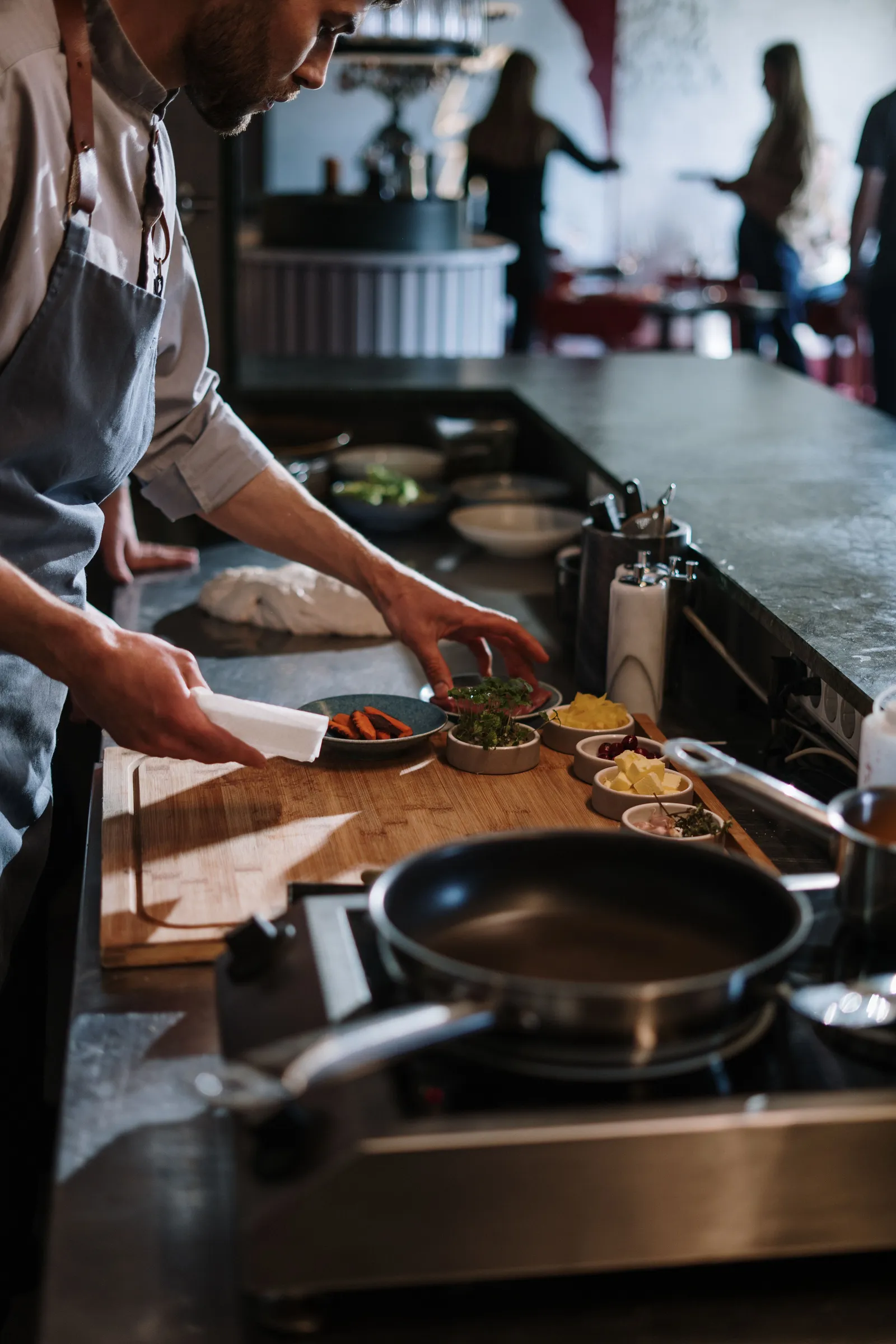
If you run a single restaurant in Ontario, this rule does not apply to you. If you run a group, or you are growing towards one, it might. The Healthy Menu Choices Act, 2015, in force since 1 January 2017, requires food service businesses with a large number of locations to show calories on menus. This guide is general information. Check the Ontario government's menu-labelling guide for the current wording before you act.
Who must post calories?
The rule applies to food service businesses with 20 or more locations in Ontario operating under the same or substantially the same name. It reaches beyond sit-down and quick-service restaurants to convenience stores, grocery stores, coffee shops, food trucks and other food service providers. If you franchise, count the franchised locations. If you run five restaurants under different names, you are not under the threshold, but check how the rule treats substantially similar names.
What has to be on the menu?
For standard food and drink items, the calories must be shown on every menu where the item appears or is shown, and on tags or labels where items are displayed. Calories must be shown for standard items, including alcohol, and for each size, flavour and variety. A contextual statement is also required, to help customers understand daily calorie needs. Check the exact text of the statement and the font and placement rules.
What counts as a standard item?
An item that is on your menu regularly, as opposed to one offered for a short time. There are exemptions for items such as daily specials and temporary items. Check the Act and its regulation for the details, since the definitions decide which of your dishes need a number.
How do you work out the calories?
You need a reliable number for each item. Options include:
- using nutrition analysis software based on your recipes
- a laboratory analysis of key items
- supplier data for packaged goods
- a nutritionist or dietitian who builds your values
Keep the method and the date. If a recipe changes, update the number. A number that is a guess is a risk.
How is it enforced?
Public health inspectors visit covered businesses, respond to complaints, give education and can issue warnings or fines. They may ask how you worked out your numbers. Keep a file of the analysis behind each item.
What if you are growing towards 20?
Plan ahead. If you have twelve locations, add the labelling work to your growth plan. Retrofitting menus, boards and online listings in a hurry is more expensive than building it in. Design menus with room for the numbers, and make the data part of your recipe cards.
What about your website and delivery menus?
The Act is written around menus and displays. Your online menu is a menu, so if you are covered, treat it the same way. Platforms may have their own tools for adding calories to listings. Ask your supplier.
What about other labelling duties?
Food labelling laws, including allergen disclosure, are federal and apply in addition to this Act. Staff must be able to tell customers what is in a dish. That has nothing to do with the number of locations. Keep an allergen matrix up to date for every menu item.
Should an independent restaurant show calories anyway?
Some do, because customers ask. It is optional below the threshold. If you decide to do it, make sure the numbers are correct, because wrong numbers cost more trust than none.
What about franchisees and licensing agreements?
A franchised restaurant is usually part of a chain for the purposes of the count, even when a different person owns each location. If you are a franchisee, the franchisor may supply the numbers and the menu design, but you are still responsible for compliance in your own restaurants. Ask for the nutrition data in writing, check that your menus match, and keep copies in case an inspector asks. If you plan to franchise your own concept, build the data into the franchise manual from the start.
A short plan
- Count your Ontario locations and check names.
- If you are close to 20, start collecting recipe data.
- Choose a nutrition analysis method.
- Redesign menus with space for numbers.
- Train staff to answer questions.
More guides for your business:
- AODA website rules for Ontario restaurants: who must meet WCAG 2.0 AA and what to fix first
- Ontario minimum wage from 1 October 2026: 17.95 dollars, no lower rate for servers and what to recalculate
- Ontario's tip law for restaurants: what you can and cannot do with tips under the Employment Standards Act
More in the Canadian guides for food businesses.
Questions
Common questions
Which Ontario restaurants have to show calories on menus?
Chains with 20 or more locations in Ontario operating under the same or substantially the same name, since 1 January 2017.
Does the rule apply to online menus?
Treat an online menu as a menu. If you are covered, check the Act and ask your platform how to add calories.
Are daily specials covered?
There are exemptions for temporary items and specials. Check the Act for the exact definitions.
Who enforces calorie labelling?
Local public health inspectors.
Do independent restaurants have to show calories?
Not under this Act if they have fewer than 20 locations. Some do voluntarily.
More like this
Read next
The Accessible BC Act and your restaurant website: what applies today and what to do anyway
British Columbia's Accessible BC Act applies mainly to public bodies for now. What that means for a private restaurant, why website accessibility still matters and a practical checklist.
AODA website rules for Ontario restaurants: who must meet WCAG 2.0 AA and what to fix first
Ontario's accessibility law requires larger private employers to make public websites meet WCAG 2.0 Level AA. Who is covered, what counts as your website, and a practical fix list for a restaurant.
Are Canadians eating out less in 2026, and what brings them back?
Restaurants Canada reports that most Canadians are cutting back on restaurant visits. What the survey says, why table-service businesses have reason to hope, and what independents can do about it.
Selling alcohol with takeout and delivery in BC: what the regulation lets a food primary licence do
Food primary and liquor primary licensees in BC can deliver and sell liquor in unopened containers with a meal. What the Liquor Control and Licensing Regulation says, and the Serving It Right rule.
Put your menu, your replies and your photos in front of diners
Claim your free listing and decide how your business looks to the people searching for a good dish near them.
Free to list: your menu, replies and photos.