
For businesses
Filing your HST return as an Ontario restaurant: due dates, instalments and input tax credits
Mosey · November 11, 2026 · 4 min read
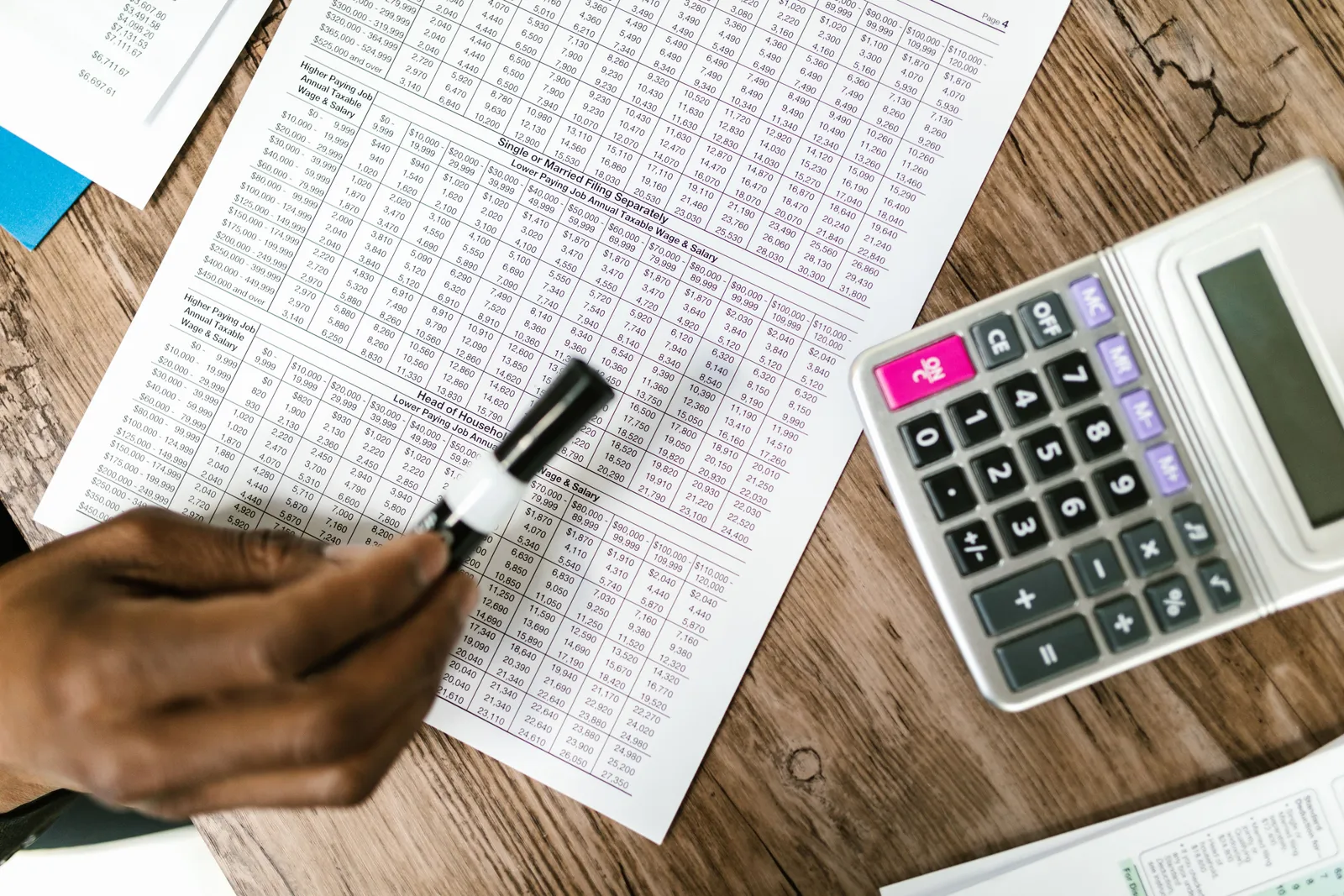
Collecting HST is only half of the job. The other half is a return that reaches the Canada Revenue Agency (CRA) on time, with every input tax credit you are owed. A restaurant that gets the schedule wrong pays a penalty for the privilege of lending the government its money.
How often does a restaurant file GST/HST?
The CRA assigns your reporting period from your annual taxable supplies, as set out in its guide for registrants (RC4022):
| Annual taxable supplies | Assigned period | Your options |
|---|---|---|
| 1,500,000 dollars or less | Annual | You can choose monthly or quarterly |
| Over 1,500,000 up to 6,000,000 dollars | Quarterly | You can choose monthly |
| Over 6,000,000 dollars | Monthly | None |
Most independent restaurants are annual filers. A monthly filer sees a refund sooner when HST paid on a big purchase is more than HST collected, so some owners with heavy equipment spending choose it voluntarily.
When is the return due?
Monthly and quarterly filers file and remit no later than one month after the end of the reporting period. A quarterly return for October to December, for example, is due on 31 January. Annual filers generally file and remit within three months after the fiscal year-end. A sole proprietor with a 31 December year-end is the exception: payment is due 30 April and the return 15 June.
Do annual filers pay during the year?
If an annual filer's net tax was 3,000 dollars or more in both the previous and the current fiscal year, the CRA requires quarterly instalments. Each is due one month after the end of the fiscal quarter, and is usually one quarter of last year's net tax, or an estimate of this year's. For a 31 December year-end, that means 30 April, 31 July, 31 October and 31 January. Net tax below 3,000 dollars generally means no instalments.
What does a late return cost?
The failure-to-file penalty is 1 percent of the amount owing, plus 25 percent of that 1 percent for each full month the return is late, to a maximum of 12 months. No penalty applies if the return shows nothing owing or a refund. Interest runs on top of the amount owing, so file on time even when you cannot pay in full.
How do input tax credits work?
Net tax is the HST you collected minus the input tax credits (ITCs) you can claim. A worked example: you collect 13,000 dollars of HST on 100,000 dollars of sales and paid 4,200 dollars of HST on food, supplies, rent and services. You remit 8,800 dollars. Keep the invoice for each credit, with the supplier's registration number where the amount requires it.
Most registrants can claim an ITC on a return filed by the due date of the last reporting period ending within four years after the period in which the credit could first be claimed. Do not rely on the full four years, though. Claim in the period the expense happened.
What is the 50 percent meal limit?
Where the income tax deduction for a meal or entertainment expense is limited to 50 percent, the ITC is limited to 50 percent too. This covers meals and entertainment you pay for as an expense, such as a client lunch or a staff party. Ingredients you buy to cook and sell are stock, not an entertainment expense. Ask your accountant how the limit applies to staff meals.
How long do you keep records?
Keep sales and purchase invoices and related records for six years from the end of the year they relate to. You need the CRA's written approval to destroy them sooner.
What should you do now?
- Find your assigned reporting period on your CRA account.
- Put every due date in your calendar a week early.
- Set aside HST each week in a separate account.
- File a nil return if you made no taxable sales.
For how the tax applies on a bill, read HST on restaurant meals in Ontario, and for the threshold that starts all of this, the 30,000 dollar small supplier rule. Gift cards have their own tax treatment in gift card sales and GST/HST for restaurants.
More in the Canadian guides for food businesses.
Questions
Common questions
How often does a small Ontario restaurant file HST?
Annually if its annual taxable supplies are 1,500,000 dollars or less, unless it chooses monthly or quarterly filing.
When is an annual GST/HST return due?
Generally within three months after the fiscal year-end. A sole proprietor with a 31 December year-end pays by 30 April and files by 15 June.
What is the penalty for filing a GST/HST return late?
1 percent of the amount owing plus 25 percent of that amount for each full month late, up to 12 months. No penalty applies if nothing is owing.
Can I claim all the HST I pay on meals as an input tax credit?
Where the income tax deduction is limited to 50 percent, so is the credit. Food you buy to sell is not a meal expense; ask your accountant about staff meals.
How long should I keep my GST/HST records?
Six years from the end of the year they relate to, unless the CRA approves earlier destruction in writing.
More like this
Read next
The Accessible BC Act and your restaurant website: what applies today and what to do anyway
British Columbia's Accessible BC Act applies mainly to public bodies for now. What that means for a private restaurant, why website accessibility still matters and a practical checklist.
AODA website rules for Ontario restaurants: who must meet WCAG 2.0 AA and what to fix first
Ontario's accessibility law requires larger private employers to make public websites meet WCAG 2.0 Level AA. Who is covered, what counts as your website, and a practical fix list for a restaurant.
Are Canadians eating out less in 2026, and what brings them back?
Restaurants Canada reports that most Canadians are cutting back on restaurant visits. What the survey says, why table-service businesses have reason to hope, and what independents can do about it.
Selling alcohol with takeout and delivery in BC: what the regulation lets a food primary licence do
Food primary and liquor primary licensees in BC can deliver and sell liquor in unopened containers with a meal. What the Liquor Control and Licensing Regulation says, and the Serving It Right rule.
Put your menu, your replies and your photos in front of diners
Claim your free listing and decide how your business looks to the people searching for a good dish near them.
Free to list: your menu, replies and photos.