
For businesses
Dine and dash in Ontario: why you should not deduct it from a server's pay, and how to prevent it
Mosey · November 11, 2026 · 4 min read
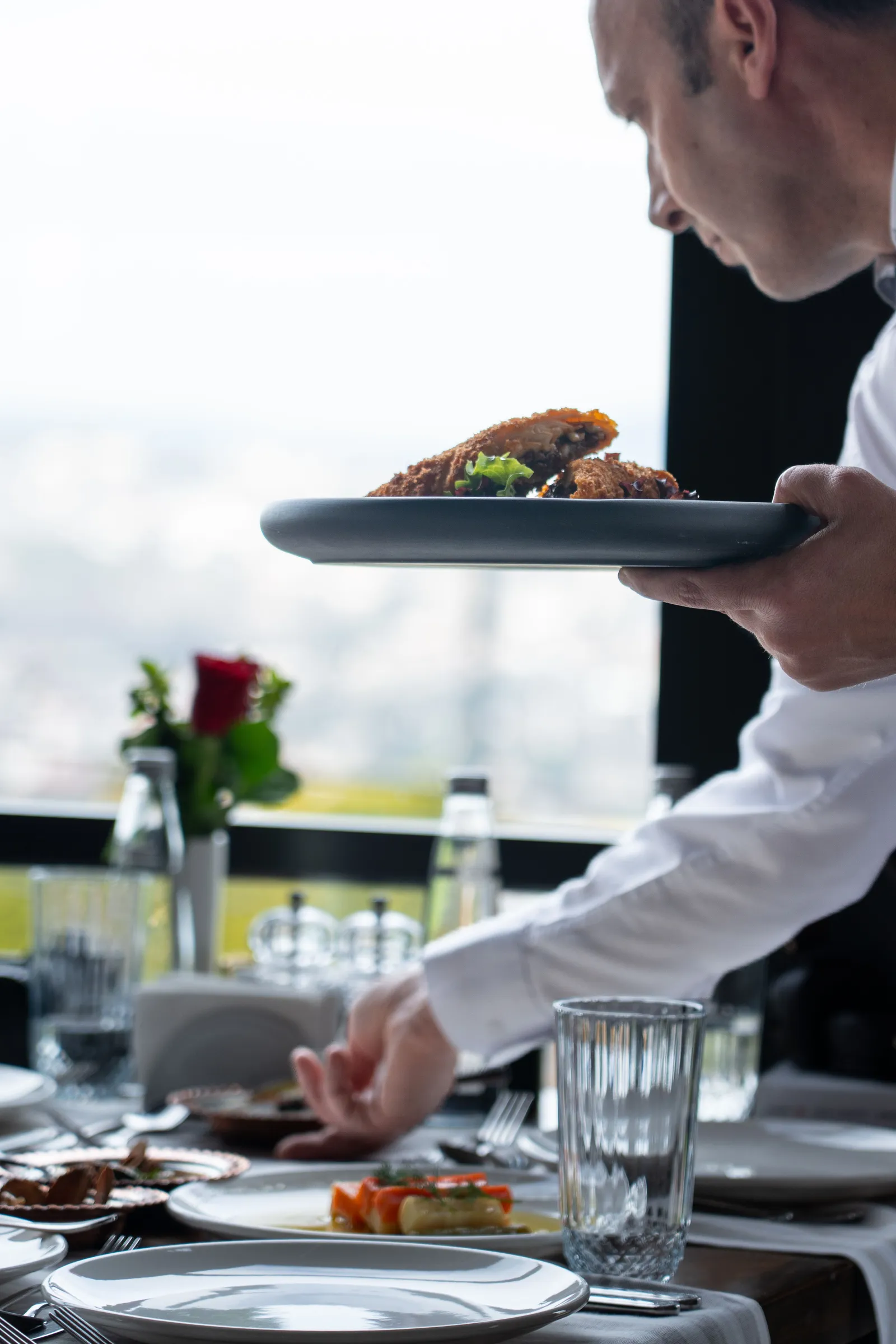
Every restaurant owner has been left holding a bill that a table walked out on. For years, some owners passed the loss to the server, by taking it from wages or tips. In Ontario, that is a serious risk under the employment standards rules. This guide explains the rule, what it means for how you run a floor, and how to cut the risk without punishing your staff.
It is general information, not legal advice. For a particular case, call the Ministry of Labour or an employment lawyer.
What does Ontario law say about dine and dash?
Ontario's Employment Standards Act, 2000 allows deductions from wages only in limited cases, and the Working for Workers amendments dealt with wage deductions for losses caused by customers. Confirm the current wording on ontario.ca, or ask the Ministry of Labour, before you rely on any deduction. In plain terms, if a table leaves without paying, treat the loss as yours.
The same principle already applied to tips. Ontario's tip rules say an employer generally cannot take a deduction from tips, and cannot ask staff to give tips back, apart from a legitimate tip pool. Using tips to cover a walkout is the kind of deduction the rules were written to stop.
What deductions are still allowed?
The Employment Standards Act lets an employer deduct from wages only in limited cases:
- Where a law requires it, such as income tax, CPP and EI.
- Where a court order requires it.
- Where the employee has authorized it in writing, for a specific amount or purpose, and the authorization is not for a loss caused by a customer or a business risk.
Guidance on cash shortages, breakage and lost goods points the same way: a business risk stays with the business. A written agreement that makes a server pay for walkouts, cash shortages or damaged items may not protect you.
Can you discipline a server who was careless?
A manager can coach, retrain or discipline an employee for poor practice, within the normal rules on discipline and dismissal. What you cannot do is turn the customer's theft into a pay cut. If a pattern of carelessness is a real problem, deal with it as a performance matter, and keep notes.
What does a walkout cost?
The price of the meal, and any alcohol, plus the time lost. For a busy restaurant, repeated walkouts can add up. Preventing them is better than trying to recover the cost from a worker, and it is the safer route.
How can you prevent dine and dash?
- Take payment up front where it suits your business. A quick-service counter, a bar with prepaid tabs or a ticketed event avoids the issue.
- Hold a card for bar tabs. If you open a tab, take a card or an ID-linked deposit.
- Arrange tables so servers can see the door. Floor layout makes a difference.
- Bring the bill when the table is finishing. A long wait invites an exit.
- Use a host. A host at the door sees who leaves.
- Check tables that finish a large order of alcohol. Greet people on the way out.
- Use a point-of-sale system that tracks open tables, so a manager can see unpaid orders at a glance.
- Keep a camera at the entrance where it fits your layout, and post a notice if you do.
- Have a plan for when it happens. Decide in advance who calls the police, who writes the incident report and who tells the owner.
Should you call the police?
That depends on the case, and on your own judgment. A report creates a record that you can use for insurance, and gives the police a chance to act if there is a pattern. A server should not chase or confront customers. Make that a firm rule, for safety.
What records should you keep?
An incident log with the date, time, table, order and amount, plus any camera footage. The records help your insurer and your accountant, and show that you handled the loss as a business cost.
Does insurance cover it?
Some policies cover theft by customers, many do not. Ask your broker and read the exclusions.
What if your payroll practice already deducts?
If your current practice takes anything from wages or tips for walkouts, stop now and seek advice about repayment. Employees can file a complaint with the Ministry of Labour, which can order repayment.
More guides for your business:
- AODA website rules for Ontario restaurants: who must meet WCAG 2.0 AA and what to fix first
- Ontario Employer Health Tax for restaurants: does it apply to you, and what to file
- How to get an Ontario liquor sales licence for a restaurant or bar (AGCO guide, 2026)
More in the Canadian guides for food businesses.
Questions
Common questions
Can I deduct a dine and dash from a server's wages in Ontario?
Treat it as a business cost. Ontario's employment standards allow wage deductions only in limited cases, and the Working for Workers amendments addressed deductions for customer theft. Check ontario.ca or ask the Ministry of Labour before deducting anything.
Can I take it from tips?
No. Ontario's tip rules generally prohibit deductions from tips other than a legitimate tip pool among staff.
Can a server sign an agreement to cover walkouts?
A written agreement may not make a deduction lawful. Business risks stay with the business, so ask the Ministry of Labour or an employment lawyer.
How can I reduce walkouts?
Take payment up front where suitable, hold cards for bar tabs, use a host, and design your floor so staff can see the door.
Where do I go for advice?
The Ontario Ministry of Labour or an employment lawyer.
More like this
Read next
The Accessible BC Act and your restaurant website: what applies today and what to do anyway
British Columbia's Accessible BC Act applies mainly to public bodies for now. What that means for a private restaurant, why website accessibility still matters and a practical checklist.
AODA website rules for Ontario restaurants: who must meet WCAG 2.0 AA and what to fix first
Ontario's accessibility law requires larger private employers to make public websites meet WCAG 2.0 Level AA. Who is covered, what counts as your website, and a practical fix list for a restaurant.
Are Canadians eating out less in 2026, and what brings them back?
Restaurants Canada reports that most Canadians are cutting back on restaurant visits. What the survey says, why table-service businesses have reason to hope, and what independents can do about it.
Selling alcohol with takeout and delivery in BC: what the regulation lets a food primary licence do
Food primary and liquor primary licensees in BC can deliver and sell liquor in unopened containers with a meal. What the Liquor Control and Licensing Regulation says, and the Serving It Right rule.
Put your menu, your replies and your photos in front of diners
Claim your free listing and decide how your business looks to the people searching for a good dish near them.
Free to list: your menu, replies and photos.