
For businesses
Selling alcohol with takeout and delivery in Ontario: who is eligible and what the AGCO expects
Mosey · November 11, 2026 · 4 min read
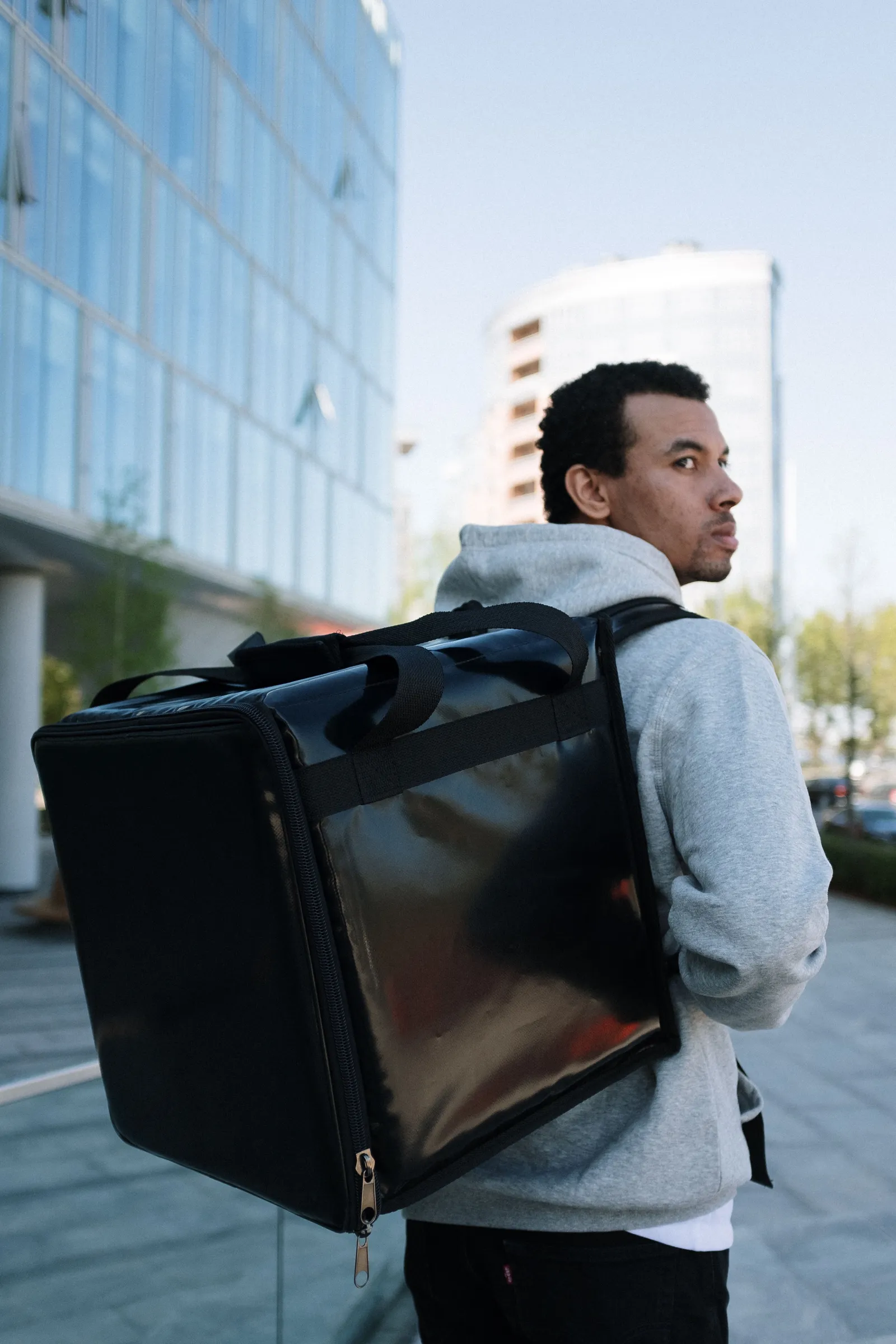
A bottle of wine added to a Friday takeout order is one of the highest-margin items a restaurant can sell. Ontario made that permanent in December 2020, with conditions. Because the rules started life as emergency measures, a lot of the advice online is out of date. The Alcohol and Gaming Commission of Ontario (AGCO) publishes the current rules, and here is how they apply to your restaurant.
Who can sell liquor for takeout or delivery?
You need a liquor sales licence for on-premises sale, service and consumption. Convenience stores, grocery stores, department stores and big box stores, and premises inside one of those, are not eligible. The AGCO says a licence issued or transferred before 9 December 2020 is eligible if the other requirements are met. A licence issued or transferred after that date must also meet two tests: serving food and liquor for on-premises consumption must be the primary purpose of the premises, and the premises must not sit inside another commercial business, other than a shopping mall. A bar inside a hotel, or a restaurant inside a grocery store, would not qualify.
The AGCO describes its page as guidance, not a full list. The legal source is Ontario Regulation 746/21 under the Liquor Licence and Control Act, 2019, with the Registrar's standards.
What does the order have to include?
Liquor must be bought with food that you sell from the licensed premises. An order of alcohol alone is not allowed.
What are the hours?
The AGCO's December 2020 bulletin says the hours for takeout and delivery of liquor are 9 a.m. to 11 p.m. The sale and the delivery, including the customer accepting it, all need to fall inside those hours.
What must the container be like?
The bulletin replaced the early emergency wording, "sealed and unopened", with "securely closed". Read the current AGCO guidance before you start putting cocktails or draught beer into containers, because the earlier temporary rules did not allow them.
Who may deliver?
From 1 January 2021, the bulletin says delivery must be done by the licensee, an employee of the licensee or the holder of a Liquor Delivery Service Licence. Deliveries may go to a residence or other private place. The earlier temporary rules said liquor goes to the person who paid for it or another adult at the address who is at least 19, and that identification should be requested if the buyer may be under 19. Treat that as your standard.
What training is required?
Anyone who takes orders, sells, serves or delivers liquor must have completed Smart Serve. See Smart Serve for Ontario restaurant staff if your newer hires have not done it.
What records do you keep?
For orders placed directly with you, the AGCO says to keep the information for one year from the date of delivery of the liquor. Order forms and delivery receipts need specific details, and the bulletin lists them.
Can a delivery app do it?
The AGCO's emergency guidance allowed a third-party service acting on behalf of the licensee. The permanent rules require the delivery to be done by you, your employee or a licensed delivery service, so confirm with the AGCO before you put alcohol on a platform. The commission side is in Ontario delivery app commissions.
What if your licence changes hands?
The rules for takeout and delivery depend on when your licence was issued or transferred. The AGCO says a licence issued or transferred after 9 December 2020 must meet the primary purpose and no-other-business tests. So if you are buying an existing restaurant, ask the seller when the licence was issued and whether it moved after that date, and read the AGCO's eligibility page with your lawyer before you assume a takeout wine program comes with the keys.
What to do before you start
- Confirm your licence type and issue date.
- Read the current AGCO page and Regulation 746/21.
- Set the cut-off at the last order that can be delivered before 11 p.m., and check your takeout packaging against the single-use plastics ban.
- Train drivers and check age at the door.
- Keep a one-year record, and put it where you can find it.
The wider licence picture is in Ontario liquor sales licences, and for outdoor service see serving alcohol on a patio.
More in the Canadian guides for food businesses.
Questions
Common questions
Can an Ontario restaurant sell alcohol for takeout and delivery?
Yes, if it holds an eligible liquor sales licence and sells the liquor with food. Convenience, grocery, department and big box stores are not eligible.
What hours can I sell liquor for delivery in Ontario?
The AGCO's bulletin says 9 a.m. to 11 p.m. Sale and delivery both need to fall inside those hours.
Can I deliver alcohol on its own?
No. The liquor must be bought together with food from the licensed premises.
Who is allowed to deliver the liquor?
The licensee, an employee, or the holder of a Liquor Delivery Service Licence, and everyone involved must have Smart Serve.
How long do I keep delivery records?
One year from the date the liquor was delivered, for orders placed directly with you.
More like this
Read next
The Accessible BC Act and your restaurant website: what applies today and what to do anyway
British Columbia's Accessible BC Act applies mainly to public bodies for now. What that means for a private restaurant, why website accessibility still matters and a practical checklist.
AODA website rules for Ontario restaurants: who must meet WCAG 2.0 AA and what to fix first
Ontario's accessibility law requires larger private employers to make public websites meet WCAG 2.0 Level AA. Who is covered, what counts as your website, and a practical fix list for a restaurant.
Are Canadians eating out less in 2026, and what brings them back?
Restaurants Canada reports that most Canadians are cutting back on restaurant visits. What the survey says, why table-service businesses have reason to hope, and what independents can do about it.
Selling alcohol with takeout and delivery in BC: what the regulation lets a food primary licence do
Food primary and liquor primary licensees in BC can deliver and sell liquor in unopened containers with a meal. What the Liquor Control and Licensing Regulation says, and the Serving It Right rule.
Put your menu, your replies and your photos in front of diners
Claim your free listing and decide how your business looks to the people searching for a good dish near them.
Free to list: your menu, replies and photos.