
For businesses
How to price a menu when food costs keep rising: a Canadian owner's method
Mosey · November 11, 2026 · 4 min read
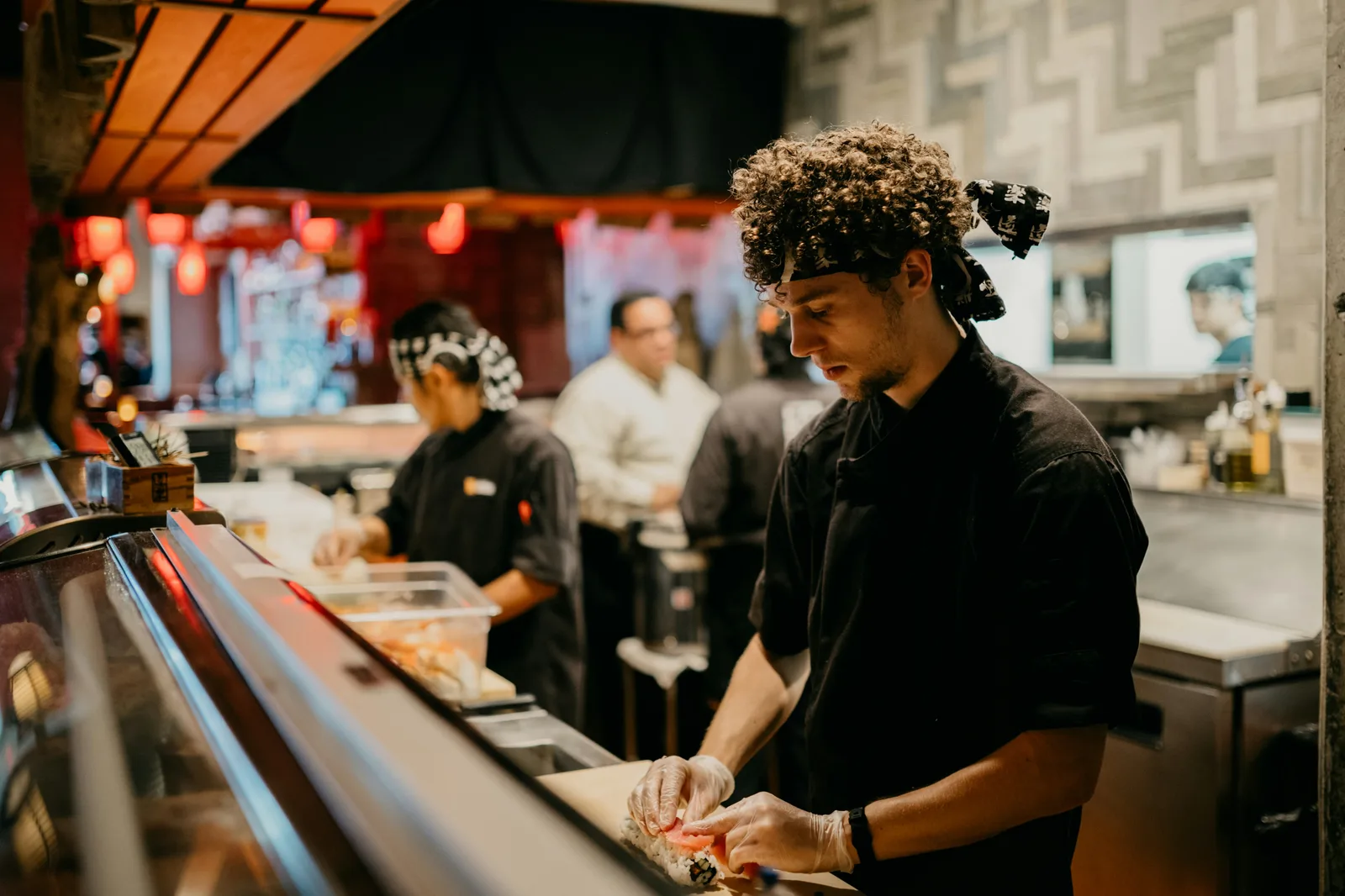
In Restaurants Canada's 2026 operator survey, food costs were the most cited pressure on the business. Prices at the till have risen too: Statistics Canada reported that food purchased from restaurants was up 3.2 percent over the year in March 2026, after early-year figures that were distorted by the tax holiday of the year before. If your menu has not changed in a year, it is probably out of date.
Why not raise every price by the same amount?
Because a flat increase treats every dish as if it had the same cost and the same price sensitivity. It does not. A pasta that uses few ingredients may still have a healthy margin after a cost rise, while a dish built on beef or cheese may have lost most of its margin. A flat rise also risks pushing guests over a mental limit on the dishes they order most.
Step 1: How do you cost a dish properly?
Take every ingredient, at the price on your latest invoice, and add up what goes on one plate. Include the garnish, the oil you cook in, the bread that comes to the table and a small allowance for waste. Use the invoice price per unit, divided by the yield after trimming. Do this for every dish that sells regularly. A spreadsheet is enough.
Step 2: Which dishes should you look at first?
Sort the menu by two columns: how many you sell, and what each leaves after food cost. The dishes that sell the most and leave the least are your priority. The dishes that sell little and leave little are candidates for removal. The dishes that sell the most and leave the most are your protected stars, so do not change them without cause.
Step 3: How do you decide what to change?
You have five levers, from gentlest to hardest:
- Change the recipe, not the dish. A different cut, a different garnish, a small swap in the side.
- Change the portion slightly. Only where guests will not notice, and never on the dish you are known for.
- Change the price on low-sensitivity items. Sides, drinks, desserts and add-ons.
- Change the price on a few mains. Raise by small steps, and avoid round numbers that jump a bracket.
- Remove a dish. If it costs too much to make well, take it off.
Step 4: How do you present a price change?
Print a new menu, don't cross out old prices. Keep the layout the same, and remove dollar signs if your style allows, because guests read a bare number as softer than a price with a symbol. Train your team to answer a question about a price in one sentence: "Ingredient costs went up, and we want to keep the quality."
Step 5: How do you watch the effect?
Track sales per dish for four weeks after a change. If the number sold drops sharply on one dish, look at the price, the menu position or whether the item is out of stock. A small drop on a dish whose price you raised is normal and acceptable if the margin per plate is higher.
Which Canadian rules affect menu prices?
Menu prices in Canada are shown before sales tax, which is added at payment. In British Columbia and some other provinces, alcohol and food are taxed differently. Cost your drinks and your food separately. Check your province's rules on how a mandatory service charge or a delivery surcharge must be disclosed, and read the guidance on card surcharges before you add one.
What if a competitor drops prices?
You do not have to follow. A competitor that cuts prices to fill seats may be burning margin it cannot afford for long. Your regulars come for the food, the welcome and the room, and a small price gap rarely outweighs those. If you want to respond, do it with value, such as a set menu at an attractive price, rather than a cut across the whole menu. Check your own numbers first. If you can see that a lunch special lifts covers without losing money, run it. If not, hold your position.
Do you want the dishes you price well to bring the right guests in?
A fair price on a dish people rave about is the best marketing you have. Mosey is a food discovery app where diners search by dish and rate what they ate, so a plate that is worth its price gets noticed by the people looking for it. Nobody can pay to outrank you there, because Mosey Gold is earned from ratings alone.
More guides for your business:
- Ottawa's return-to-office rules and downtown restaurants: what changes for lunch and after-work trade
- Privacy law for restaurant guest data in Canada: PIPEDA, provincial acts and breach rules
- Why are restaurant costs still rising in Canada, and what is already set for 2027?
More in the Canadian guides for food businesses.
Questions
Common questions
How often should I recost my menu?
At least every quarter, and whenever a major supplier changes a price. Use current invoices, not old ones.
Should I raise all my menu prices at the same time?
Usually not. Cost each dish and change the ones with the lowest margin or the least price sensitivity first.
How much did restaurant prices rise in Canada in 2026?
Statistics Canada reported that food purchased from restaurants was up 3.2 percent year over year in March 2026. Earlier months were distorted by a tax holiday in the year before.
Are menu prices in Canada shown with tax?
No. Prices are shown before sales tax, which is added at payment.
How long should I watch a price change before judging it?
Four weeks of sales per dish is a reasonable test.
More like this
Read next
The Accessible BC Act and your restaurant website: what applies today and what to do anyway
British Columbia's Accessible BC Act applies mainly to public bodies for now. What that means for a private restaurant, why website accessibility still matters and a practical checklist.
AODA website rules for Ontario restaurants: who must meet WCAG 2.0 AA and what to fix first
Ontario's accessibility law requires larger private employers to make public websites meet WCAG 2.0 Level AA. Who is covered, what counts as your website, and a practical fix list for a restaurant.
Are Canadians eating out less in 2026, and what brings them back?
Restaurants Canada reports that most Canadians are cutting back on restaurant visits. What the survey says, why table-service businesses have reason to hope, and what independents can do about it.
Selling alcohol with takeout and delivery in BC: what the regulation lets a food primary licence do
Food primary and liquor primary licensees in BC can deliver and sell liquor in unopened containers with a meal. What the Liquor Control and Licensing Regulation says, and the Serving It Right rule.
Put your menu, your replies and your photos in front of diners
Claim your free listing and decide how your business looks to the people searching for a good dish near them.
Free to list: your menu, replies and photos.