
Dish guide
Korean food in Vancouver: barbecue, fried chicken and what to order
Mosey · November 11, 2026 · 5 min read
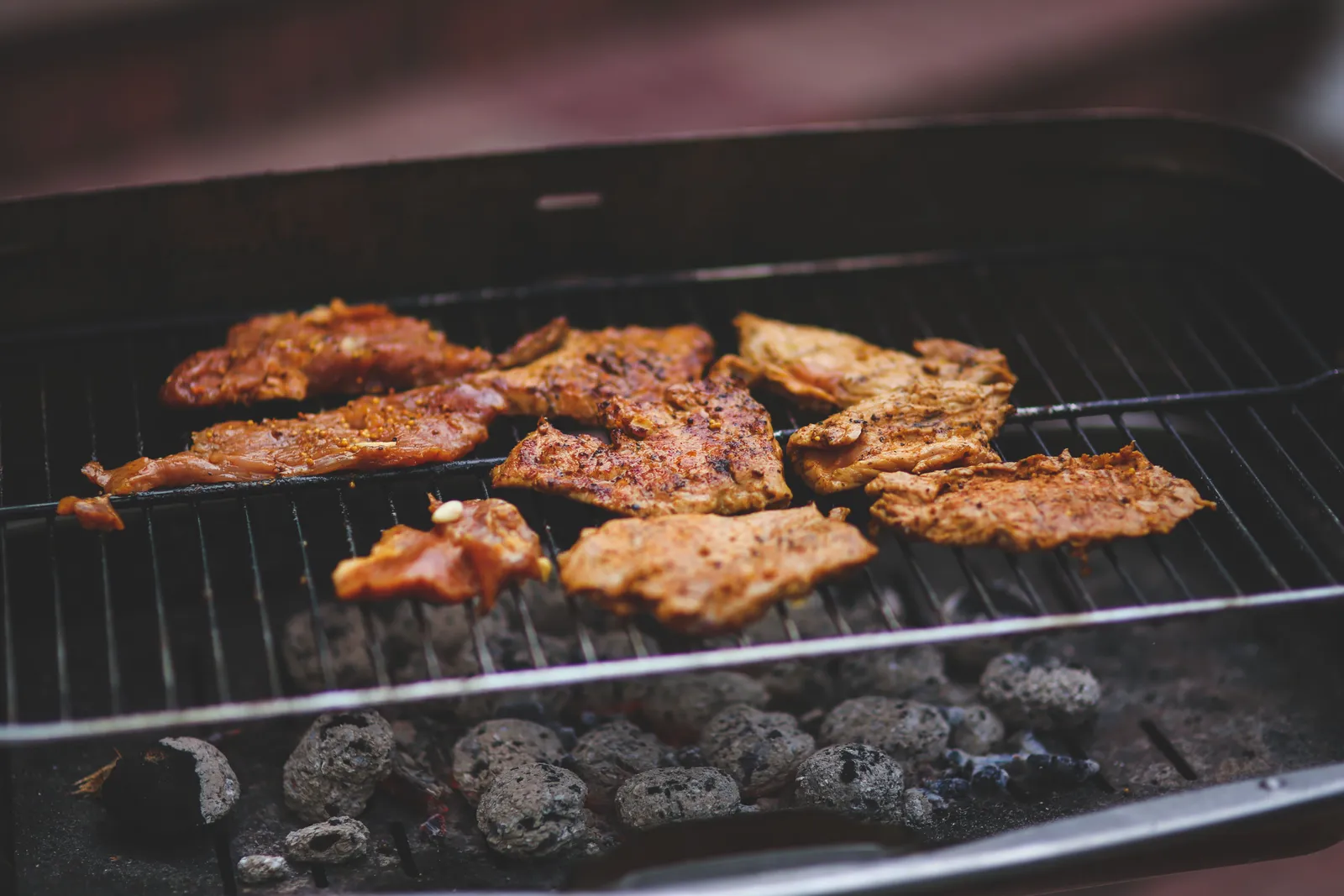
Korean food has become one of the most popular cuisines in Metro Vancouver, and for good reason. The region has a large Korean community, concentrated in Burnaby and Coquitlam, and with it comes everything from table-grilled barbecue and bubbling stews to fried chicken, bakeries and late-night snack bars. Here is a guide to where to go and what to order.
Where is the best Korean food in Vancouver?
Korean restaurants are spread across the region, but two areas stand out:
- North Road, on the border of Burnaby and Coquitlam around Lougheed Highway, is often called the region's Koreatown. Small malls along the road are packed with Korean restaurants, grocery stores, bakeries and cafés. Lougheed Town Centre SkyTrain station is a short walk away.
- West Robson Street, in Vancouver's West End, has a cluster of Korean barbecue, stew and fried chicken restaurants, popular with students and visitors.
You will also find Korean restaurants in Metrotown, Richmond, downtown, the North Shore and Surrey.
How does Korean barbecue work?
Korean barbecue is cooked at your table, on a grill set into it. Here is what to expect:
- Order meat by the portion, usually per person or per plate. Some restaurants offer combos for two to four people.
- Banchan arrive first: small side dishes like kimchi, pickled vegetables, bean sprouts and potato salad, usually refilled for free.
- The meat goes on the grill. Staff often cook it for you or show you how.
- Wrap it up: put a piece of meat in a lettuce or perilla leaf with ssamjang (a spicy bean paste), garlic and kimchi, and eat it in one bite.
- Finish with a stew, cold noodles or fried rice.
What should you order at Korean barbecue?
| Cut | What it is |
|---|---|
| Samgyeopsal | Thick slices of pork belly, the classic |
| Galbi | Marinated beef short ribs, sweet and savoury |
| Bulgogi | Thinly sliced marinated beef |
| Chadolbaegi | Thin-sliced beef brisket that cooks in seconds |
| Dwaeji galbi | Marinated pork ribs |
| Dak galbi | Spicy stir-fried chicken, often cooked at the table in a pan |
A mix of one pork and one beef dish is a good start for two people.
What Korean dishes should you try beyond barbecue?
- Soondubu jjigae, a spicy soft tofu stew served bubbling hot, often with an egg cracked in.
- Gamjatang, pork bone soup with potatoes, a late-night favourite.
- Bibimbap, rice topped with vegetables, meat and egg, especially in a hot stone bowl.
- Japchae, sweet potato glass noodles stir-fried with vegetables.
- Korean fried chicken, double-fried and glazed or plain, often with beer.
- Kimbap, rice and fillings rolled in seaweed, a great snack.
- Naengmyeon, cold buckwheat noodles, perfect in summer.
- Tteokbokki, chewy rice cakes in a spicy sauce.
What is Korean-Chinese food?
Korean-Chinese food is a style that developed among Chinese communities in Korea, and it is popular in Vancouver too. The two classics are jajangmyeon, wheat noodles in a thick black bean sauce, and jjamppong, a spicy seafood noodle soup. Tangsuyuk, crispy sweet and sour pork, is often shared alongside. Several restaurants on Robson Street and North Road specialize in it.
What is banchan, and is it free?
Banchan are the small side dishes that arrive at the start of a Korean meal: kimchi, seasoned vegetables, bean sprouts, fish cakes, potato salad, pickled radish and more, depending on the restaurant. They are shared by the table and eaten alongside the main dishes, not as a starter.
In most Korean restaurants in Vancouver, banchan come with the meal at no extra charge, and many places will refill them if you ask politely. A few etiquette points help:
- Share from the middle. Banchan are for the whole table.
- Ask before taking the last of a dish.
- At barbecue, let the staff or the person nearest the grill take the lead, especially with scissors for cutting meat.
- Pour drinks for others before yourself, a small courtesy many Korean diners appreciate.
Is Korean food spicy?
Some of it, not all. Dishes with gochujang (red pepper paste) or gochugaru (chili flakes), such as tteokbokki, soondubu and spicy stews, can be very hot. Barbecue, bulgogi, japchae, galbi and plain fried chicken are mild. Many restaurants let you choose a spice level for stews.
Is Korean food good for vegetarians and people with allergies?
It can be tricky. Many Korean dishes contain fish sauce, anchovy stock or salted shrimp, including most kimchi. Bibimbap without meat, vegetable japchae and some tofu dishes can work, but ask about the broth and sauces. Sesame and soy are common, and both are priority allergens in Canada, so mention any allergy clearly.
How much does Korean food cost and do you tip?
Korean barbecue is a mid-range to pricier meal, depending on the cuts; stews, bibimbap and noodles are among the more affordable sit-down meals in the city. BC menu prices do not include tax: 5 percent GST on food and 10 percent PST on alcohol. Tip 15 to 20 percent of the pre-tax amount at table service.
On Mosey you can rate the Korean restaurants you tried and the specific dishes you ordered, with photos, see where friends went for barbecue, and keep a list of North Road spots to work through.
More guides to read next:
- Holiday dining in Vancouver: the Christmas Market, festive menus and booking tips
- Late-night food in Vancouver: where to eat after 10 p.m.
- Lunar New Year food in Vancouver: what to eat and where to celebrate
More in the Canadian food guides and the ranked lists of places.
Questions
Common questions
Where is Koreatown in Vancouver?
North Road, on the Burnaby and Coquitlam border near Lougheed Highway, is the region's largest Korean food area. West Robson Street has a smaller cluster.
How does Korean barbecue work?
You order meat by the portion, grill it at your table, and eat it with side dishes called banchan, often wrapped in lettuce with spicy bean paste.
What should I order at Korean barbecue for the first time?
Pork belly (samgyeopsal) and marinated beef short ribs (galbi) are classic choices.
Is kimchi vegetarian?
Usually not. Most kimchi is made with fish sauce or salted shrimp. Ask if you need a vegetarian version.
What is jajangmyeon?
A Korean-Chinese dish of wheat noodles in a thick black bean sauce, often shared with crispy sweet and sour pork.
Are Korean side dishes free in Vancouver?
In most Korean restaurants, banchan come with the meal at no extra charge, and many places will refill them if you ask.
More like this
Read next
BC spot prawn season: when it is and how to eat them in Vancouver
Spot prawns are the most anticipated seafood of the Vancouver year, fresh for only a few weeks each spring. When the season runs, where to buy them off the boat, and how to eat them.
Become a Local Champion in Vancouver
Earn a Local Champion in Vancouver title by rating five places, answering three Top 3 questions and making a list, from dim sum and salmon to the Drive.
Best Chinese Bakeries in Vancouver: Buns and Egg Tarts
A guide to the best Chinese bakeries in Vancouver: pineapple buns, egg tarts, wife cake and steamed buns in Chinatown, Kingsway and Richmond, and how to order.
Best Fried Chicken in Vancouver: Korean, Southern, Sandwich
A guide to the best fried chicken in Vancouver: Korean double-fried wings, Southern plates, Nashville hot sandwiches and a Richmond classic, with ordering tips.
