
Dish guide
Ramen and Japanese food in Toronto: styles, izakaya and how to order
Mosey · November 11, 2026 · 5 min read
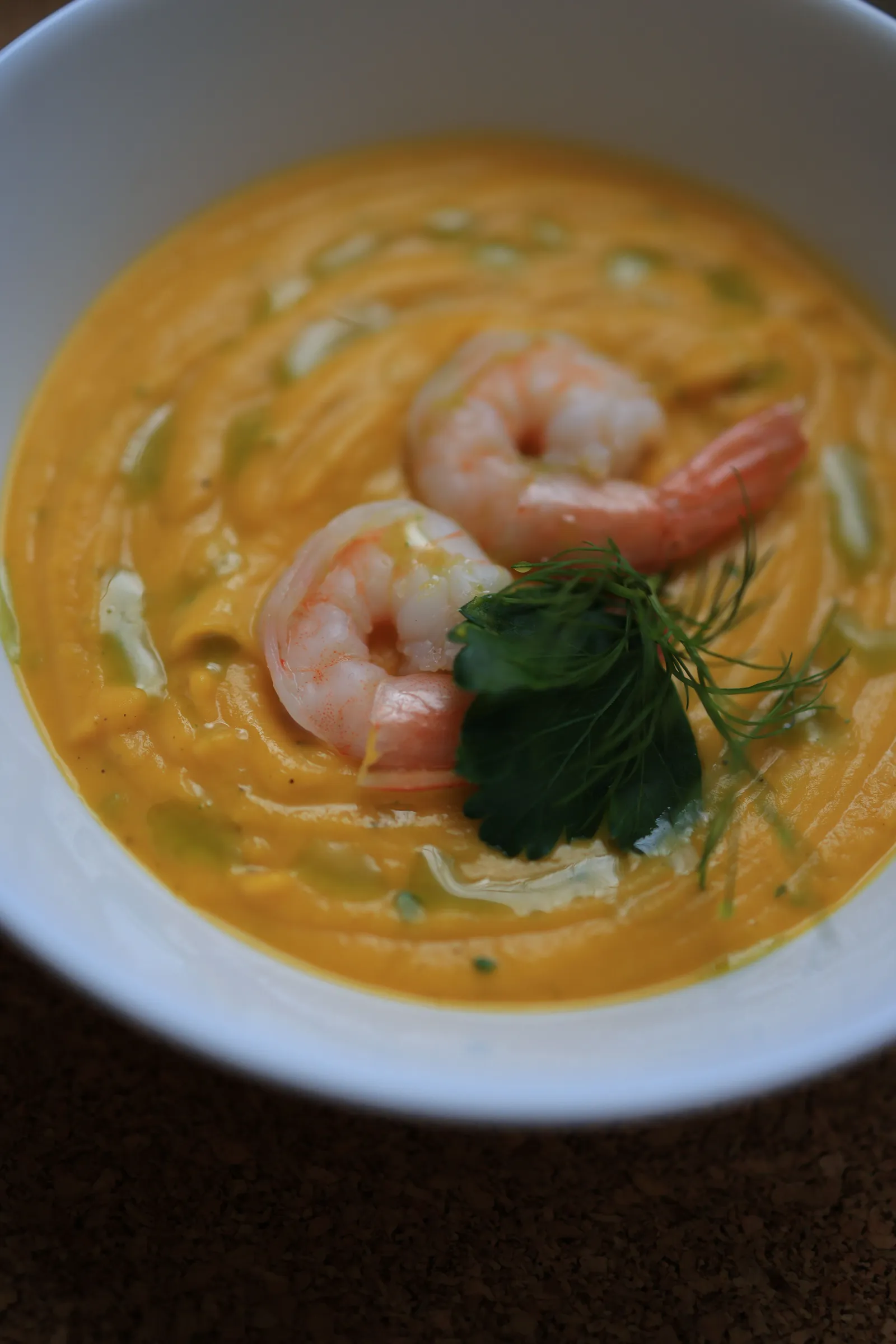
Japanese food has become one of Toronto's favourite cuisines, from cheap and cheerful ramen shops to omakase sushi counters and lively izakaya. Ramen in particular exploded in Toronto in the 2010s, when several well-known Japanese chains opened downtown alongside local shops, and it has stayed a cold-weather staple ever since. Here is how to navigate it.
What are the main styles of ramen?
| Style | Broth | What it is like |
|---|---|---|
| Tonkotsu | Pork bone, simmered for hours | Rich, creamy, cloudy |
| Shoyu | Soy sauce seasoned, often chicken-based | Clear, savoury, classic |
| Shio | Salt seasoned | Light, clean, delicate |
| Miso | Fermented soybean paste | Hearty, nutty, warming |
| Tsukemen | Dipping noodles | Thick noodles dipped in a concentrated broth |
| Vegetarian or vegan | Vegetable, mushroom or soy milk | Increasingly common |
Most shops specialize in one or two styles; order the one they are known for.
How do you order ramen?
- Choose the broth, ideally the house specialty.
- Choose the richness, if offered: light, regular or rich.
- Add toppings, such as an extra soft-boiled egg (ajitama), chashu pork, corn, butter or extra noodles.
- Ask about noodle firmness; many regulars prefer firmer noodles.
- Eat it quickly, before the noodles soften. Slurping is perfectly polite.
Some shops let you order extra noodles (kaedama) to add to your remaining broth.
Where is ramen in Toronto?
Ramen shops are spread across the city, with clusters downtown (around Dundas, Queen and the Financial District), near the University of Toronto, along Bloor Street, in North York around Yonge Street, and in the northern suburbs. Lines are common at peak times at the best-known shops, especially on cold evenings.
What is an izakaya?
An izakaya is a Japanese pub, a casual place for drinking and eating small plates. Toronto's izakaya are known for their lively, sometimes loud atmosphere, with staff calling out greetings as you enter. Order a few plates at a time to share: karaage (fried chicken), takoyaki (octopus balls), grilled skewers, sashimi, okonomiyaki and rice dishes. They pair with beer, sake, highballs and Japanese whisky.
How do you tell a good sushi place?
- The rice should be lightly seasoned, slightly warm and loosely packed.
- The fish should smell of the sea, not fishy.
- A focused menu is often a good sign.
- Omakase, where the chef chooses for you, is the best way to experience a top sushi counter.
- Sitting at the counter lets you watch the chefs and get each piece at its best.
Toronto has sushi from affordable all-you-can-eat spots to some of the most expensive omakase counters in Canada.
What other Japanese food should you try in Toronto?
- Udon and soba, thick wheat noodles and buckwheat noodles, hot or cold.
- Donburi, rice bowls topped with meat, fish or egg.
- Japanese curry, mild, sweet and comforting.
- Katsu, breaded and fried pork or chicken cutlets.
- Japanese cheesecake and baked goods.
- Matcha desserts and soft serve.
Is ramen gluten-free or vegan?
Ramen noodles are wheat, so ramen is not gluten-free. Vegan ramen is increasingly common, often made with vegetable or soy milk broth, but check that the noodles and toppings are egg-free. Many izakaya dishes contain wheat (soy sauce, batter) and fish (dashi).
What should you order at an izakaya for the first time?
Start with something fried, something raw and something grilled: karaage chicken, a small plate of sashimi, and a few skewers of grilled chicken or vegetables. Add edamame to snack on and a rice dish or noodles to finish. Order a few plates at a time and keep going, which is how izakaya are meant to work. Ask the staff for the day's specials, often written on a board.
Is there a Japanese food festival in Toronto?
Toronto has hosted Japanese food and culture festivals and markets at various times of year, with ramen, street snacks and sweets. Check current event listings for dates.
How much does ramen cost and do you tip?
Ramen is one of the more affordable sit-down meals downtown, though toppings add up. Ontario adds the 13 percent HST to restaurant bills. Tip 15 to 20 percent of the pre-tax amount at table service, including ramen shops with table service.
What is the difference between ramen and udon or soba?
All three are Japanese noodles, and many Toronto restaurants serve more than one:
| Noodle | What it is | How it is served |
|---|---|---|
| Ramen | Thin to medium wheat noodles | In rich broths such as tonkotsu, shoyu, shio or miso |
| Udon | Thick, chewy wheat noodles | In a light dashi broth, or with curry |
| Soba | Thin buckwheat noodles | Hot in broth, or cold with a dipping sauce |
Soba can be a good choice in summer, served cold. Note that most soba contains some wheat flour, so ask if you avoid gluten.
When is the best time to go for ramen?
Weekday lunches and mid-afternoon are the least crowded. Cold, rainy and snowy evenings bring the longest lines. Many shops do not take reservations.
On Mosey you can rate the ramen shops, sushi counters and izakaya you visit and the dishes you ordered, with photos, and see where friends you follow go for their noodle fix.
More guides to read next:
- Mississauga and Brampton food guide: Punjabi, Pakistani and Caribbean food in Peel Region
- Roncesvalles food guide: Polish delis, cafés and brunch in Toronto's west end
- Scarborough food guide: Hakka, Sri Lankan, dim sum and strip mall gems
More in the Canadian food guides and the ranked lists of places.
Questions
Common questions
What are the main types of ramen?
Tonkotsu (pork bone), shoyu (soy), shio (salt), miso and tsukemen (dipping noodles), plus vegetarian styles.
What is an izakaya?
A Japanese pub serving small shared plates with beer, sake and other drinks.
Is it rude to slurp ramen?
No. Slurping is normal and helps cool the noodles.
Is ramen gluten-free?
No. Ramen noodles are made with wheat.
When is the best time to go for ramen in Toronto?
Weekday lunches and mid-afternoon, when lines are shortest.
Do Toronto ramen shops take reservations?
Many do not, especially small and popular shops. Arrive early or outside peak times, and expect a short line at dinner.
More like this
Read next
Become a Local Champion in Toronto
Become a Local Champion in Toronto by rating five places, answering three Top 3 questions and making a list, from peameal bacon to Chinatown and Little Tibet.
Best Dumplings in Toronto: Chinatown to Markham
A guide to the best dumplings in Toronto: soup dumplings, pan-fried and boiled styles, where Chinatown and Markham fit and how to order and eat them.
The best neighbourhoods for food in Toronto, and what to eat in each
Toronto is one of the most diverse food cities in the world, and it eats by neighbourhood. Where to go for dim sum, Korean barbecue, Greek, Indian, Portuguese and market food.
Best Pizza in Toronto: Neapolitan, Slices and Detroit
A guide to the best pizza in Toronto: Neapolitan pies, slice counters and Detroit style squares, and how to choose, from a margherita to a late-night slice.
