
City guide
Eating in the PATH: a guide to Toronto's underground food courts
Mosey · November 11, 2026 · 5 min read
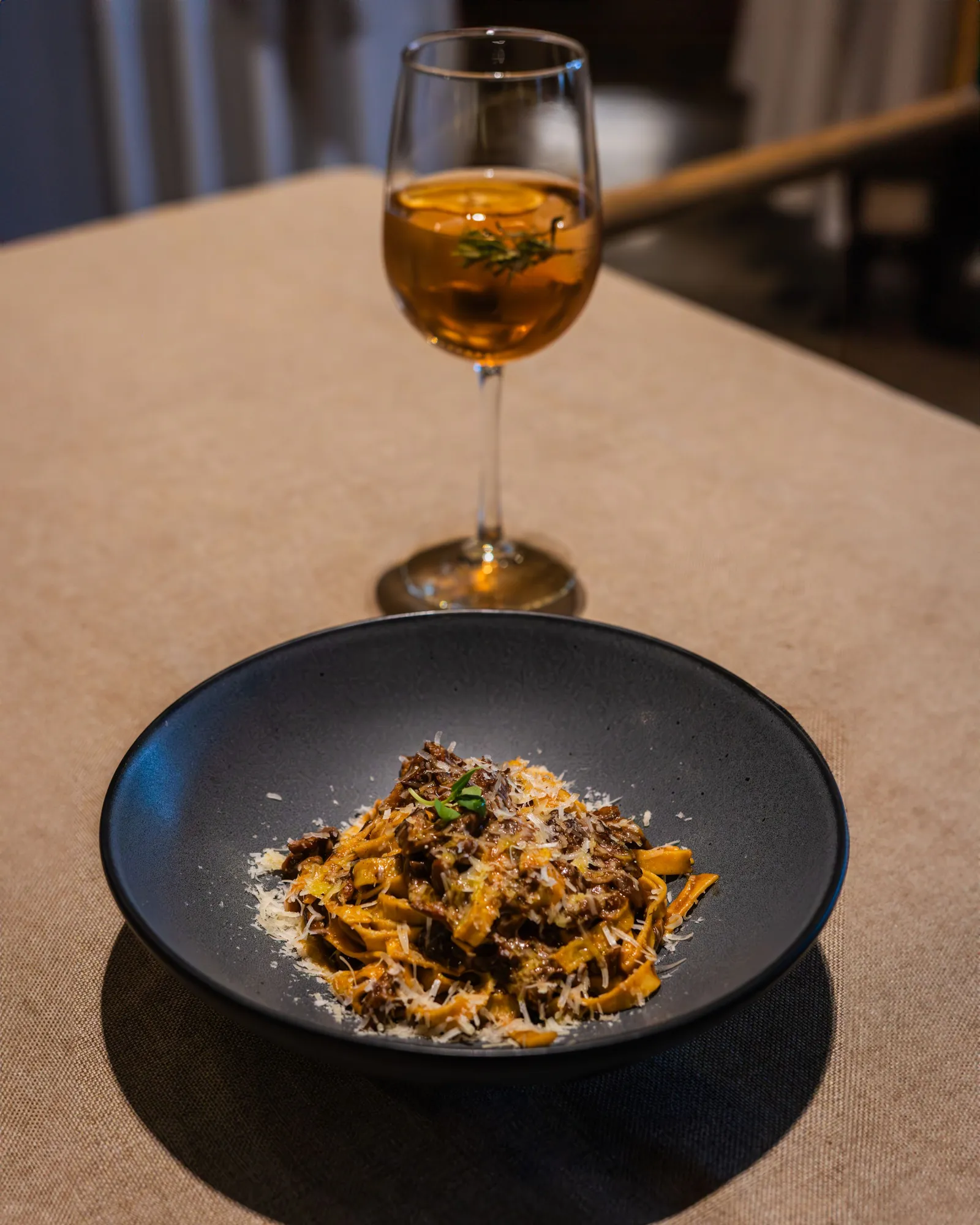
Beneath downtown Toronto lies the PATH, a network of underground walkways connecting office towers, shopping centres, hotels, Union Station and the subway. It runs for about 30 kilometres and is lined with shops, services and a huge number of food courts, cafés and restaurants. For downtown office workers it is lunch every weekday, and in winter it is how many people avoid going outside at all.
What is the PATH in Toronto?
The PATH is a mostly underground pedestrian network in Toronto's Financial District and downtown core. It has been recognized as the largest underground shopping complex in the world, with well over a thousand shops, restaurants and services. It connects many of the city's major office towers, Union Station, several subway stations, the Scotiabank Arena area and some hotels, so you can walk long distances indoors.
What kind of food is in the PATH?
| Kind of place | What to expect |
|---|---|
| Food courts | Large courts under the major bank towers, with dozens of counters |
| Quick lunch counters | Salads, bowls, sandwiches, sushi, curry and noodles |
| Coffee shops | Everywhere, busiest in the morning |
| Sit-down restaurants | Some, often near the towers and hotels |
| Bakeries and snacks | Pastries, cookies and grab-and-go |
Many PATH food outlets are chains, but there are also independent counters and local favourites, especially in the bigger food courts.
When is the PATH open?
The PATH is busiest on weekdays, especially from about 11:30 a.m. to 1:30 p.m. Many food courts and shops open early for commuters and close in the late afternoon or early evening. On weekends and holidays, large parts of the PATH are quiet and many food outlets are closed. Access to some sections also depends on building hours. If you are visiting on a weekend, plan to eat at street level.
How do you find good food in the PATH?
- Go just before noon or after 1:30 p.m. to avoid the longest lines.
- Look for the busiest independent counters, not just the familiar names.
- Ask office workers where they actually eat.
- Explore the bigger food courts, which have the most variety.
- Come up for air: some of the best lunches are a short walk away at street level.
How do you not get lost in the PATH?
The PATH is famously confusing. Look for the colour-coded PATH signs and maps posted at intersections, which show where you are and which way leads to major landmarks such as Union Station. The letters of the PATH logo are each a different colour that indicates direction. If in doubt, follow signs to Union Station or a subway station and resurface.
Is the PATH good for a business lunch?
For a quick working lunch with a colleague, yes. For a client lunch, look for the sit-down restaurants connected to the PATH or a short walk away at street level, where you can book a quiet table. In winter, being able to reach the restaurant without a coat is a real bonus.
Is food in the PATH cheap?
It ranges from affordable to mid-priced. Food courts are generally cheaper than sit-down restaurants downtown, though Financial District prices are not low. Ontario adds the 13 percent HST to prepared food. Tipping at counters is optional; at sit-down restaurants, tip 15 to 20 percent of the pre-tax amount.
Where can you eat near the PATH at street level?
- St. Lawrence Market, a short walk east, for sandwiches and market food.
- Queen Street West and King Street West, for restaurants and bars.
- Chinatown, a short streetcar ride west, for cheap, filling lunches.
- The waterfront, south of Union Station.
Where should you get coffee in the PATH?
Coffee is everywhere underground, from the big chains to independent cafés tucked into tower lobbies. Morning lines at the busiest spots near Union Station and the bank towers can be long between 8 and 9:30 a.m., so look for a café one corridor away. Many PATH cafés close in the late afternoon, and on weekends most are shut, so plan accordingly if you are staying in a downtown hotel.
How big is the PATH?
The PATH is about 30 kilometres of underground walkways, shopping arcades and food courts, connecting dozens of office towers, hotels, Union Station and several subway stations across downtown Toronto. It is often described as the largest underground shopping complex in the world.
For eating, that size is both its strength and its challenge. There are hundreds of food outlets, but they are spread across many buildings, each with its own food court and opening hours. Pick a building or two near where you are, rather than trying to explore the whole network, and use the colour-coded signs and maps to find your way back to the street.
Is the PATH accessible?
Many sections have elevators and ramps, but accessibility varies from building to building, and some connections use stairs or escalators. Check maps and plan your route if you use a wheelchair or stroller.
On Mosey you can rate the PATH counters and restaurants you try, dish by dish, and keep a list of reliable weekday lunches near your office. Seeing where colleagues and friends actually eat is the easiest way to find the good counters among the hundreds.
More guides to read next:
- Mississauga and Brampton food guide: Punjabi, Pakistani and Caribbean food in Peel Region
- Patio season in Toronto: CafeTO, rooftops and how to get a seat
- The peameal bacon sandwich: Toronto's signature dish explained
More in the Canadian food guides and the ranked lists of places.
Questions
Common questions
What is the PATH in Toronto?
A mostly underground pedestrian network of about 30 kilometres in downtown Toronto, lined with shops, food courts and restaurants.
Is the PATH open on weekends?
Parts of it are, but it is much quieter, and many food outlets are closed on weekends and holidays.
When is the best time to eat in the PATH?
Just before noon or after 1:30 p.m. on weekdays, to avoid the longest lines.
How do I avoid getting lost in the PATH?
Follow the colour-coded PATH signs and posted maps, or head toward Union Station or a subway station.
Is the PATH food expensive?
Food courts are generally cheaper than downtown sit-down restaurants, though prices are not low.
How long is the PATH in Toronto?
About 30 kilometres of underground walkways connecting downtown office towers, hotels, Union Station and subway stations, with hundreds of food outlets.
More like this
Read next
Become a Local Champion in Toronto
Become a Local Champion in Toronto by rating five places, answering three Top 3 questions and making a list, from peameal bacon to Chinatown and Little Tibet.
Best Dumplings in Toronto: Chinatown to Markham
A guide to the best dumplings in Toronto: soup dumplings, pan-fried and boiled styles, where Chinatown and Markham fit and how to order and eat them.
The best neighbourhoods for food in Toronto, and what to eat in each
Toronto is one of the most diverse food cities in the world, and it eats by neighbourhood. Where to go for dim sum, Korean barbecue, Greek, Indian, Portuguese and market food.
Best Pizza in Toronto: Neapolitan, Slices and Detroit
A guide to the best pizza in Toronto: Neapolitan pies, slice counters and Detroit style squares, and how to choose, from a margherita to a late-night slice.
