
Neighbourhood guide
Koreatown Toronto food guide: what to eat on Bloor Street West
Mosey · November 11, 2026 · 5 min read
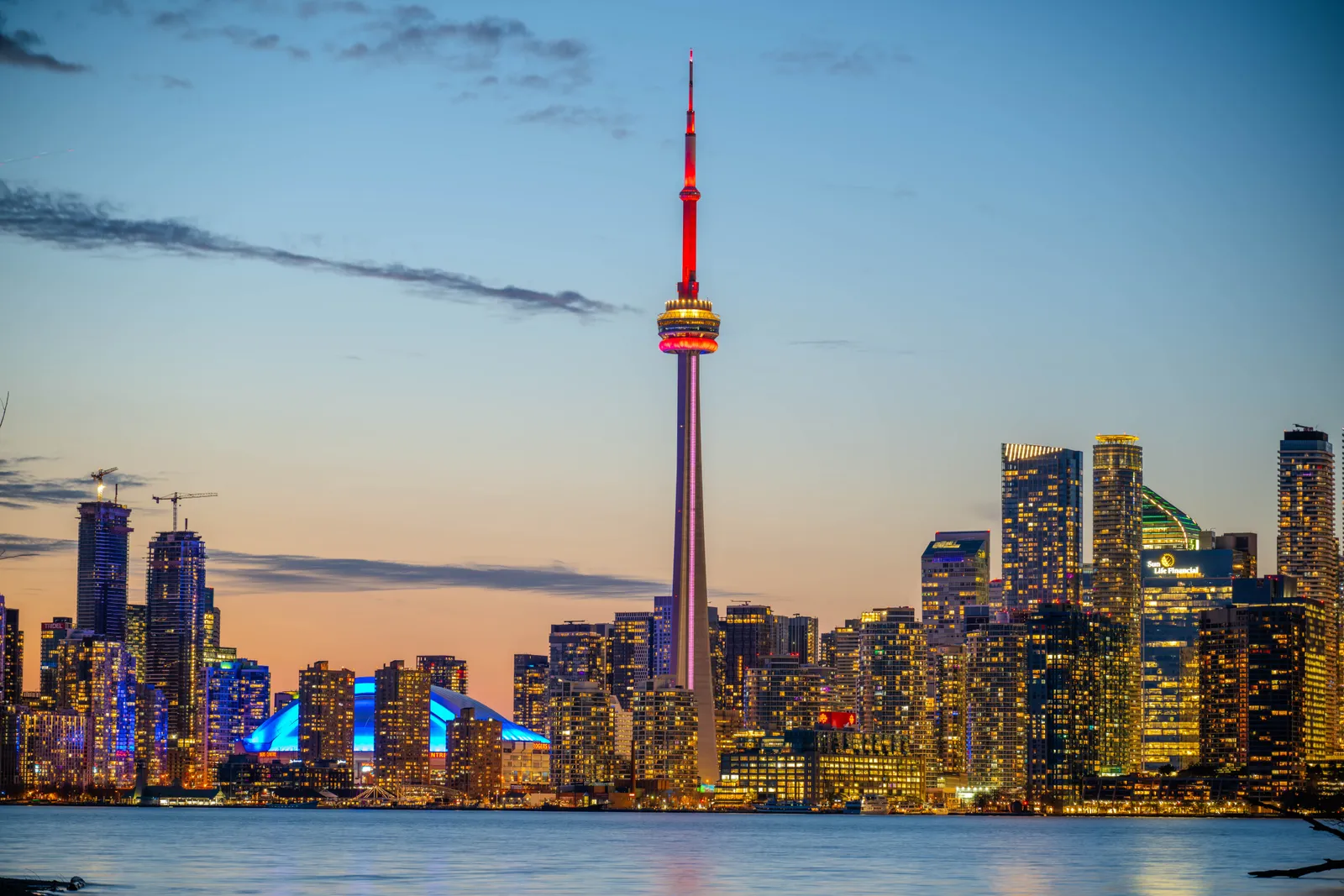
Toronto's Koreatown is a short, dense stretch of Bloor Street West, roughly between Bathurst Street and Christie Street, just west of the Annex. It is lined with Korean restaurants, bars, bakeries, grocery stores and karaoke rooms, and it is one of the liveliest places in the city to eat, especially in the evening. Here is what to know.
Where is Koreatown in Toronto?
Koreatown runs along Bloor Street West between Bathurst and Christie streets, with Christie Pitts Park at its western end. Bathurst and Christie stations on Line 2 (Bloor-Danforth) are at either end, so it is easy to reach by subway. Korean businesses first clustered around Bloor and Manning Avenue in the mid twentieth century, and the area grew into the city's main Korean neighbourhood. Many Korean Canadians now live in the northern suburbs, where there are more Korean restaurants, but Bloor Street remains the heart of it for most visitors.
What should you eat in Koreatown?
| Dish | What it is |
|---|---|
| Korean barbecue | Pork belly, short ribs and bulgogi grilled at the table |
| Soondubu jjigae | Spicy soft tofu stew, served bubbling |
| Gamjatang | Pork bone and potato soup, a late-night classic |
| Bibimbap | Rice with vegetables, meat and egg, often in a hot stone bowl |
| Korean fried chicken | Double-fried and glazed, often with beer |
| Jajangmyeon | Noodles in black bean sauce, a Korean-Chinese favourite |
| Tteokbokki | Chewy rice cakes in spicy sauce |
| Hotteok | Sweet filled pancakes, a street snack |
How does Korean barbecue work?
You order meat by the portion and grill it at your table. Small side dishes called banchan, such as kimchi, pickled vegetables and seasoned sprouts, arrive first and are usually refilled for free. Wrap a piece of grilled meat in lettuce with a little spicy bean paste, garlic and kimchi, and eat it in one bite. Finish with a stew, cold noodles or fried rice. Staff often help with the grilling.
Is Koreatown good for late-night food?
It is one of the better late-night areas in Toronto. Several restaurants stay open late, and pork bone soup and fried chicken with beer are popular after a night out. Hours change, so check before you go, especially on weeknights.
Is Koreatown good for groups?
Yes. Korean barbecue and shared stews are made for groups, and many restaurants have big tables. Book ahead for larger groups on weekends, and expect a lively, noisy room. Karaoke rooms nearby make it easy to extend a birthday night.
What else can you eat in Koreatown?
Beyond Korean food, the stretch has Japanese restaurants, bubble tea, dessert cafés and Korean bakeries selling cream buns, cakes and red bean pastries. Korean grocery stores carry snacks, banchan and kimchi to take home. Toward Bathurst, the street blends into the Annex, with more student-friendly restaurants and bars.
Is Korean food spicy?
Some of it is, especially dishes with gochujang (red pepper paste) and chili flakes, such as tteokbokki and many stews. Barbecue, bulgogi, japchae, galbi and plain fried chicken are mild. Many restaurants let you choose your spice level.
Is Koreatown good for vegetarians or people with allergies?
It can be tricky. Many Korean dishes, including most kimchi, contain fish sauce, anchovy stock or salted shrimp. Vegetable bibimbap, japchae and some tofu dishes can work, but ask about broths and sauces. Sesame and soy appear in many dishes and are priority allergens in Canada, so mention any allergy clearly.
What Korean snacks and desserts should you look for?
Koreatown is not only about barbecue. Between meals, look for:
- Hotteok, a sweet, chewy pancake filled with brown sugar and nuts, best eaten hot.
- Bungeoppang, a fish-shaped pastry usually filled with sweet red bean.
- Patbingsu, shaved ice topped with red bean, fruit or other toppings, especially popular in summer.
- Tteokbokki, chewy rice cakes in a sweet and spicy sauce, a favourite street snack.
- Korean bakery items, such as soft cream buns and red bean breads.
Stalls and cafés change, so treat this as a list of things to try rather than a list of places. Many are best as a shared snack after dinner.
How much does Koreatown cost and do you tip?
Stews, bibimbap and noodles are among the more affordable sit-down meals downtown; barbecue costs more, depending on the cuts. Ontario adds the 13 percent HST to restaurant bills. Tip 15 to 20 percent of the pre-tax amount at table service.
How to plan an evening in Koreatown
- Take Line 2 to Christie and walk east.
- Start with fried chicken or barbecue for dinner.
- Walk to a dessert café or bakery for something sweet.
- Finish with karaoke or a drink if it is a celebration.
- On a summer evening, take a stroll through Christie Pitts Park.
On Mosey you can rate the Koreatown places you tried and the specific dishes you ordered, with photos, see where friends you follow went for barbecue, and keep a list of spots to try next.
More guides to read next:
- Mississauga and Brampton food guide: Punjabi, Pakistani and Caribbean food in Peel Region
- Late-night food in Toronto: where to eat after midnight
- Leslieville food guide: brunch, bakeries and dinner on Queen Street East
More in the Canadian food guides and the ranked lists of places.
Questions
Common questions
Where is Koreatown in Toronto?
On Bloor Street West between Bathurst and Christie streets, near Bathurst and Christie subway stations.
What should I eat in Toronto's Koreatown?
Korean barbecue, soft tofu stew, pork bone soup, bibimbap, Korean fried chicken and jajangmyeon are classic choices.
Is Koreatown Toronto open late?
Several restaurants stay open late, making it a good late-night food area. Check hours before you go.
Is Korean barbecue good for groups?
Yes. Grilling at the table is made for sharing, and many restaurants have large tables.
Is kimchi vegetarian?
Usually not. Most kimchi contains fish sauce or salted shrimp. Ask if you need a vegetarian version.
What Korean desserts can you find in Toronto?
Look for hotteok sweet pancakes, fish-shaped bungeoppang pastries, patbingsu shaved ice, tteokbokki rice cakes and Korean bakery buns.
More like this
Read next
Become a Local Champion in Toronto
Become a Local Champion in Toronto by rating five places, answering three Top 3 questions and making a list, from peameal bacon to Chinatown and Little Tibet.
Best Dumplings in Toronto: Chinatown to Markham
A guide to the best dumplings in Toronto: soup dumplings, pan-fried and boiled styles, where Chinatown and Markham fit and how to order and eat them.
The best neighbourhoods for food in Toronto, and what to eat in each
Toronto is one of the most diverse food cities in the world, and it eats by neighbourhood. Where to go for dim sum, Korean barbecue, Greek, Indian, Portuguese and market food.
Best Pizza in Toronto: Neapolitan, Slices and Detroit
A guide to the best pizza in Toronto: Neapolitan pies, slice counters and Detroit style squares, and how to choose, from a margherita to a late-night slice.
