
Dish guide
Sushi and izakaya in Vancouver: how to eat Japanese food like a local
Mosey · November 11, 2026 · 4 min read
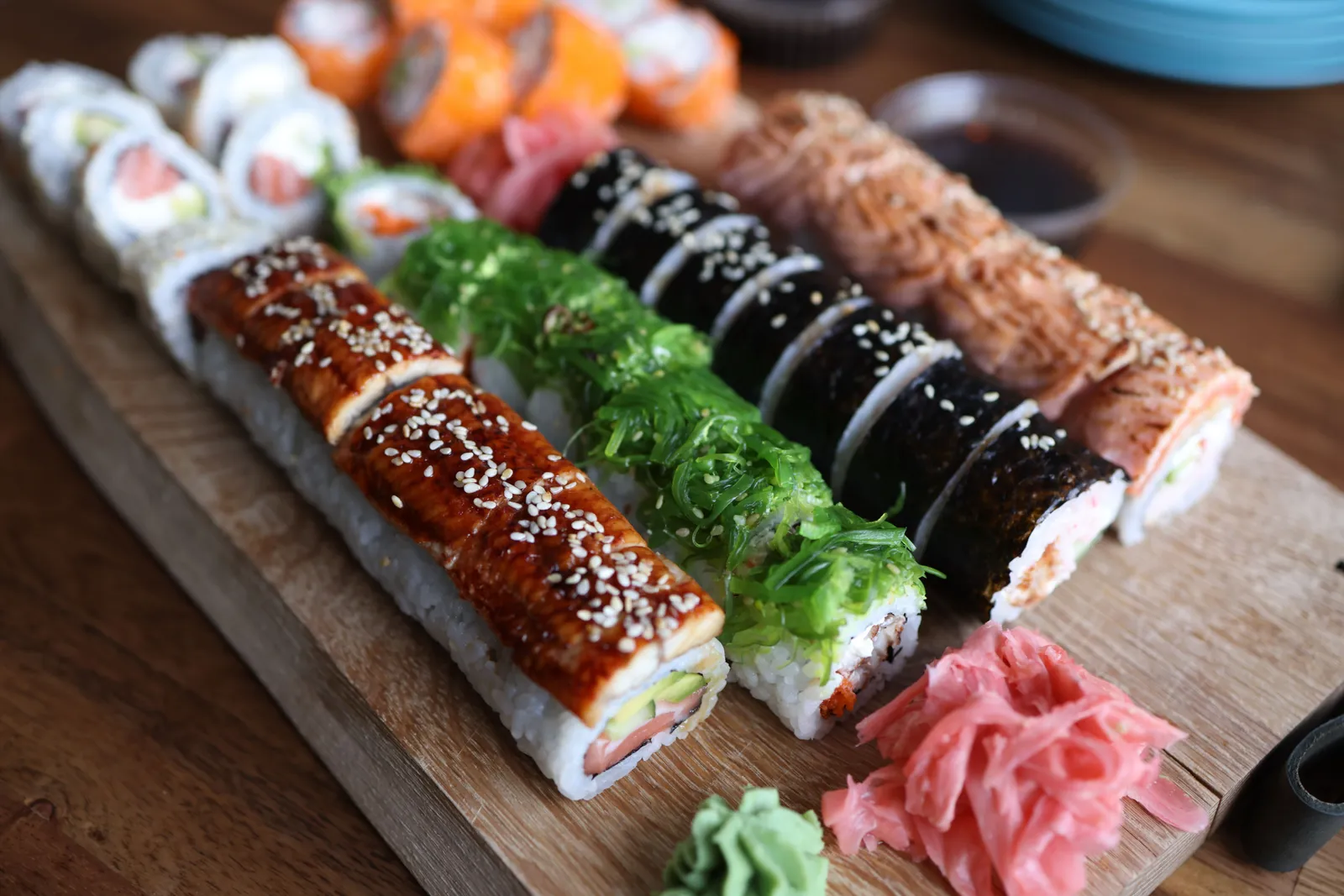
Japanese food is woven into everyday eating in Vancouver. There is a sushi place on nearly every block, izakayas stay busy late into the night, and the city has its own sushi traditions. That abundance is the challenge: there is a lot of ordinary sushi too. Here is how to find the good stuff.
Why is sushi so good in Vancouver?
Two reasons. The fish is close: salmon, spot prawns, sea urchin and other Pacific seafood come from local waters. And the city has a long history of Japanese restaurants, including chefs who adapted sushi for local tastes decades ago. Vancouver chef Hidekazu Tojo says he created the inside-out crab and avocado roll that became the California roll in the 1970s, a claim food historians also trace to Los Angeles. He is credited with the BC roll, made with barbecued salmon skin.
Where should you go for sushi and izakaya in Vancouver?
The densest run of Japanese restaurants is around Robson Street and the West End, near downtown, including ramen shops, izakayas and sushi bars, many open late. But excellent sushi turns up all over the city, often in small neighbourhood places with a counter and a handful of tables.
What is an izakaya?
An izakaya is a Japanese pub: small plates, drinks, and a lively room. You order a few dishes at a time and share them across the table. In Vancouver, izakayas range from loud, high-energy rooms where staff shout greetings as you walk in to quiet yakitori bars focused on skewers.
Treat an izakaya like tapas. Order two or three plates, then keep going.
What should you order at an izakaya?
| Dish | What it is |
|---|---|
| Karaage | Japanese fried chicken, crisp and juicy |
| Takoyaki | Batter balls with octopus, topped with sauce and bonito flakes |
| Yakitori | Grilled chicken skewers, with salt or a sweet glaze |
| Agedashi tofu | Fried tofu in a light broth |
| Tataki | Lightly seared fish or beef, thinly sliced |
| Okonomiyaki | A savoury cabbage pancake |
| Ochazuke or onigiri | Rice dishes to finish the night |
How do you tell if a sushi place is good?
- Look at the rice. It should be at body temperature, lightly seasoned and loosely packed, not cold and dense.
- Order nigiri, not just rolls. A simple piece of fish on rice shows quality more clearly than a roll full of sauce.
- Ask what is local and in season. In spring that may mean spot prawns; at other times, local salmon, scallops or sea urchin.
- Watch the counter. A sushi chef who is busy cutting fish to order is a good sign.
What is the difference between sashimi, nigiri and maki?
- Sashimi is sliced raw fish served on its own, with no rice.
- Nigiri is a slice of fish laid over a small mound of seasoned rice.
- Maki are rolls: rice and fillings wrapped in seaweed and cut into pieces. Inside-out rolls put the rice on the outside, the style the California roll made famous.
- Temaki are hand rolls, shaped like a cone and eaten with your hands, best straight away while the seaweed is crisp.
If you want to judge the fish, order sashimi and nigiri. If you want something filling and familiar, rolls are the way to go.
What is omakase?
Omakase means "I leave it to you". You let the chef choose and serve a series of pieces, usually at the counter, one at a time. It is the best way to taste what a kitchen does best, and it is usually priced as a set menu. Many places need a reservation for it, so book ahead and mention allergies when you do.
Is ramen good in Vancouver?
Very. Several well-known Japanese ramen chains have shops on Robson Street, alongside independent places. Styles vary: tonkotsu is rich pork bone broth, shoyu is soy-based, and miso is heartier. Expect lines at popular shops around dinner time, which move quickly because people do not linger over a bowl of ramen.
What is the etiquette at a Japanese restaurant in Vancouver?
- Eat nigiri in one bite if you can, and dip the fish side, not the rice, lightly in soy sauce.
- Do not mix wasabi into the soy sauce at a serious sushi counter; the chef has often seasoned the piece already.
- Slurping ramen is fine. It cools the noodles.
- Tip as at any sit-down restaurant, 15 to 20 percent of the pre-tax bill.
Mosey is built around rating dishes, not just places. Japanese food makes the case better than anything: the best way to remember a great sushi bar is to note exactly which piece made you go back.
More guides to read next:
- Holiday dining in Vancouver: the Christmas Market, festive menus and booking tips
- Eating in Vancouver's Chinatown: what to know before you go
- Vancouver food trucks: how to find them and what to expect
More in the Canadian food guides and the ranked lists of places.
Questions
Common questions
Where is the best sushi in Vancouver?
Robson Street and the West End have the densest cluster of Japanese restaurants, but excellent sushi is found in small neighbourhood places all over the city.
What is an izakaya in Vancouver?
A Japanese pub serving small plates and drinks. You order a few dishes at a time and share them.
What is a BC roll?
A sushi roll made with barbecued salmon skin, credited to Vancouver chef Hidekazu Tojo.
What does omakase mean?
It means leaving the choice to the chef. You are served a series of pieces chosen by the kitchen, usually as a set menu at the counter.
Do you need a reservation for sushi in Vancouver?
For omakase and popular counters, yes. Casual sushi places and many izakayas take walk-ins, though weekends get busy.
More like this
Read next
BC spot prawn season: when it is and how to eat them in Vancouver
Spot prawns are the most anticipated seafood of the Vancouver year, fresh for only a few weeks each spring. When the season runs, where to buy them off the boat, and how to eat them.
Become a Local Champion in Vancouver
Earn a Local Champion in Vancouver title by rating five places, answering three Top 3 questions and making a list, from dim sum and salmon to the Drive.
Best Chinese Bakeries in Vancouver: Buns and Egg Tarts
A guide to the best Chinese bakeries in Vancouver: pineapple buns, egg tarts, wife cake and steamed buns in Chinatown, Kingsway and Richmond, and how to order.
Best Fried Chicken in Vancouver: Korean, Southern, Sandwich
A guide to the best fried chicken in Vancouver: Korean double-fried wings, Southern plates, Nashville hot sandwiches and a Richmond classic, with ordering tips.
