
City guide
Kelowna food and wine guide: Bernard Avenue, the farmers market and winery lunches
Mosey · November 11, 2026 · 5 min read
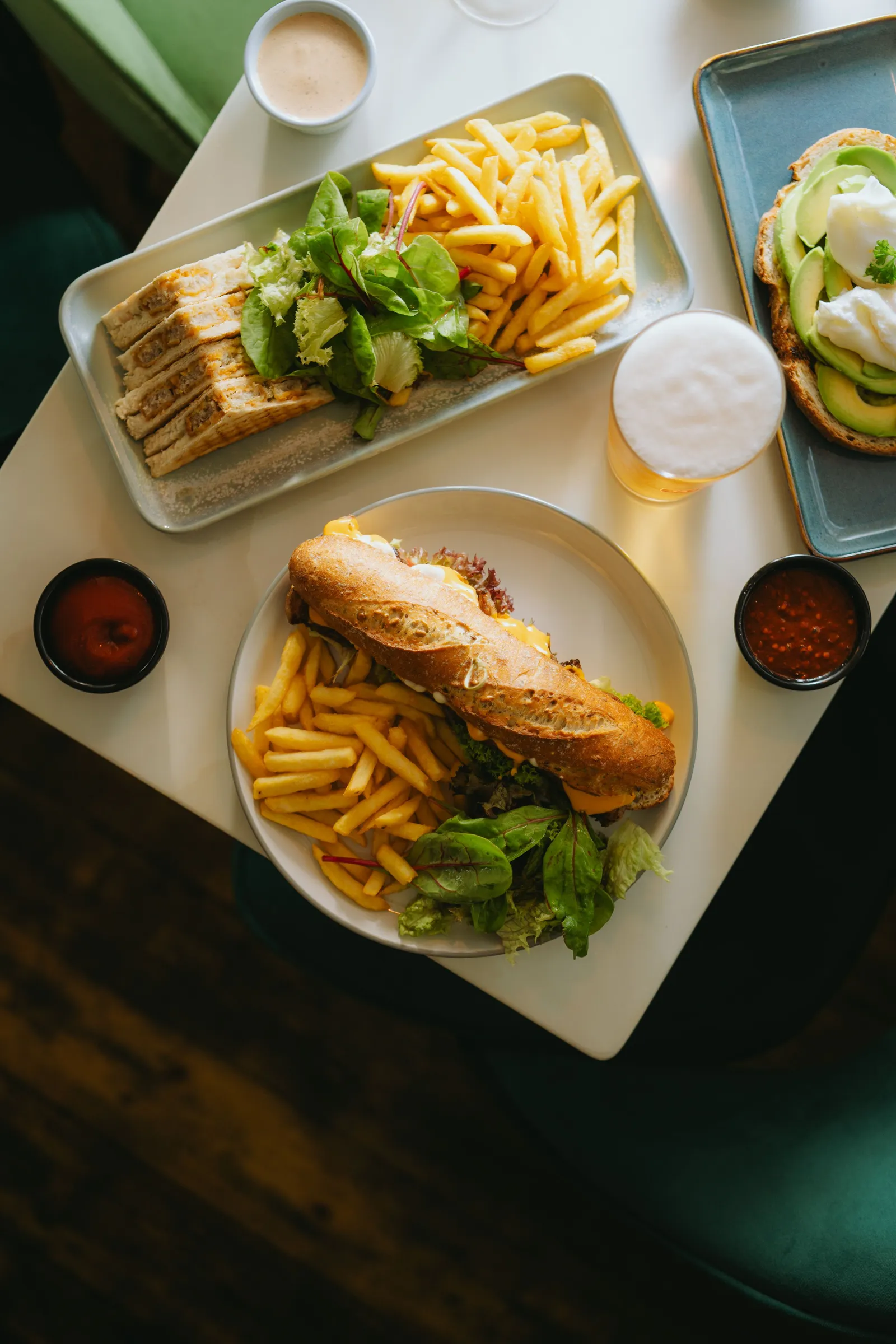
Kelowna is the largest city in the Okanagan Valley, in the south of British Columbia's interior, on the shore of Okanagan Lake. The region has hot, dry summers and a long history of orchards, so fruit and wine are central to the local food. Kelowna works as a base, since you can eat well in the city and drive to wineries in under half an hour.
What does downtown Kelowna offer?
Downtown, around Bernard Avenue, has the densest cluster of cafés, bars and restaurants. Bernard Avenue runs from the lakefront into the centre of the city, and the streets around it have independent cafés, bakeries and places that serve local wine. The waterfront has a park and promenade, and in summer patios fill with people. Some restaurants are tied to wineries and serve food made with produce from their own gardens.
Is there a farmers market in Kelowna?
Yes. The Kelowna Farmers' and Crafters' Market is one of the region's best-known, with a wide mix of producers and makers. Its main market has run on Wednesdays and Saturdays, with a Sunday satellite market in summer. Schedules, winter arrangements and locations change, so check the current market page.
What to look for: cherries in June and July, peaches and apricots in the height of summer, apples and pears in the autumn, honey, preserves, cheese and baking.
How do winery restaurants work?
Many Okanagan wineries have restaurants, and a winery lunch is the classic Kelowna meal. Menus are usually seasonal, built around local produce, and matched with the winery's wines. Reservations are essential in summer and at weekends, and some restaurants close in winter. Some places are on the West Kelowna side of the lake, along a signposted wine trail, others are in the Mission area south of downtown.
Some tips:
- Book a lunch table, which is cheaper and easier than dinner.
- Order a tasting flight if you would rather try several wines.
- Plan a designated driver, a tour or a taxi.
- Ask about a food-and-wine pairing menu.
What local food and drink should you try?
The Okanagan produces wine, cider, craft beer and spirits, as well as fruit. Look for fruit wines, ice wine, cider made from local apples and a beer from one of Kelowna's many breweries. For food, ask which dish uses local ingredients.
When is the best time to visit?
Summer is the peak, with warm lake days and a lot of visitors. Late summer and autumn are the harvest season, with the best produce and wine events. Spring has blossom. Winter is quieter, and some wineries and restaurants reduce hours.
How much does it cost?
A winery lunch is a treat, and prices reflect that. Casual lunch and coffee downtown cost about what they do in other mid-sized cities. Tax is added at the till: 5 percent GST on food and 10 percent PST on alcohol. Tip 15 to 20 percent on the pre-tax amount at a table.
What is the food culture like?
Kelowna's restaurant scene grew around the wine industry, so a lot of menus are written to go with wine, and chefs often name the farm that grew an ingredient. Fruit stands, craft breweries and farm stores are woven in. Beyond the winery set, you will find a good number of Asian, Mexican and Italian places downtown, a university crowd, and an active coffee scene, so you do not have to spend winery money at every meal.
How do you get around?
A car is the most flexible way to visit wineries, though a bus, a taxi or a guided tour spares the driver. Drinking and driving laws in British Columbia are strict. Cycling is possible on some routes.
What about wildfire smoke and heat?
Summers in the Okanagan can be very hot, and some years bring wildfire smoke that affects air quality and, in serious cases, roads and businesses. If you are travelling in July or August, check the air quality and any evacuation or road notices before you go, and have a flexible plan. Patios shaded by trees or awnings are a better choice at midday, and water bottles matter. Restaurants usually reschedule or refund bookings if a fire forces a closure, but ask about their policy when you book.
A weekend plan
- Friday: arrive, walk the waterfront and eat downtown.
- Saturday morning: the farmers market for a picnic.
- Saturday lunch: a winery restaurant, booked ahead.
- Sunday: a second winery or a cider tasting, then a drive south.
Confirm opening hours before you set out, because wineries change them by season.
How do you keep track of winery lunches in Kelowna?
After a few tastings, nobody remembers which patio had the good flatbread. In the Mosey app you rate the dish you ate, such as a peach salad, a flatbread or a cheese plate, and the pairing that went with it can go in a tag. Keep a list of the winery lunches you want to book next summer, share it with the people who will be in the car, and follow friends who also eat their way around the Okanagan. Rate your best winery lunch in the app once you are back at the lake.
More guides to read next:
- Penticton and Naramata wine country guide: benches, orchards and where to eat
- Whistler food guide: Village, Creekside and Function Junction, plus après ski
- Gatineau and Old Hull food guide: crossing the river from Ottawa to eat in Quebec
More in the Canadian food guides and the ranked lists of places.
Questions
Common questions
Is Kelowna good for food and wine?
Yes. It is the Okanagan's largest city and a convenient base, with farm-to-table restaurants downtown and many wineries within a short drive.
When is the Kelowna Farmers' and Crafters' Market?
The main market has run on Wednesday and Saturday mornings. Winter arrangements differ, and schedules change, so check the market's own page.
Do you need to book a winery restaurant?
In summer and at weekends, yes. A lunch booking is often easier to get than dinner.
When is harvest in the Okanagan?
Fruit comes through the summer, and grapes are generally harvested in late summer and autumn. Check local events for dates.
Can you visit Okanagan wineries without a car?
Yes, by guided tour, shuttle or taxi, which is also the safest option if you are tasting.
More like this
Read next
Best Okanagan Peaches: Fruit Stands and Farm Markets
A guide to the best Okanagan peaches and where to buy them: fruit stands in the Similkameen, Osoyoos and Kelowna farm markets, when to go and how to pick fruit.
Find Good Food in Kelowna: A Season-by-Season Method
Find good food in Kelowna by season: follow the Okanagan fruit calendar, narrow the choice with tags, rate by the dish and keep a shared list of what you try.
Kelowna Patio Season: How to Choose a Table
Kelowna patio season is short and hot: how to choose a shaded table, plan a lakeside lunch, use the Patio tag and keep a list of the tables you liked.
Nut-Free Dining in Kelowna: Questions, Notes, Tags
Nut-free dining in Kelowna starts with questions, not a list: what to ask a kitchen, how tags and your own notes help and why no place is called safe.
