
City guide
Finnish Baking in Sudbury: Pulla and Rye Bread
Mosey · November 11, 2026 · 5 min read
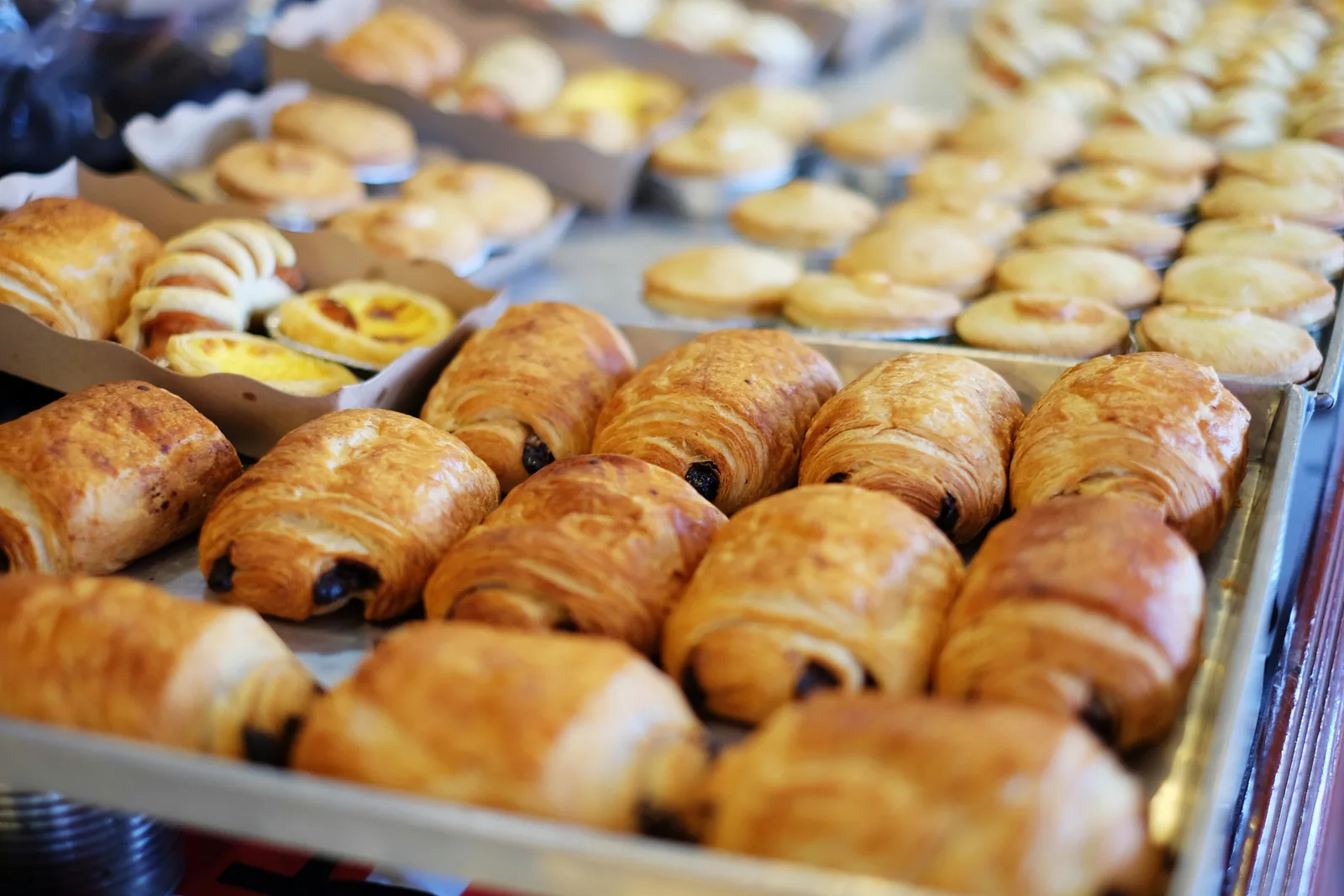
Finnish baking in Sudbury is a quiet part of the city's food story: cardamom-scented pulla bread, dark rye loaves and sweet buns that Finnish families brought to northern Ontario and still bake for coffee time. A visitor who asks at the right counter can taste them, and knowing what to look for makes the counter easy to read.
Sudbury is home to Finnish, Italian, Ukrainian, French and Polish communities, and Finnish traditions have been part of the city for generations.
What is Finnish baking in Sudbury?
Finnish baking in Sudbury is a set of home-baking habits adapted to a northern Canadian city. It includes pulla, a sweet braided bread flavoured with cardamom, rye bread, rolls, pastries and biscuits, and it follows the tradition of serving coffee with something baked. Local bakeries and community groups keep the habit alive, and a few counters sell Finnish items. The history of Finnish baking here is one of settlement, labour and coffee.
What is Sudbury pulla bread?
A soft, slightly sweet bread braided into a loaf or shaped into buns, usually with cardamom and sometimes a sprinkle of sugar or pearl sugar on top. Sudbury pulla bread is often sold in loaves or in smaller buns, and it keeps for a day or two. Eat it fresh with butter and coffee, or toast the next day.
How did the Finnish community in Northern Ontario shape baking?
Through labour and settlement. Finnish immigrants came to northern Ontario in the early twentieth century, working in mines, forests and farms, and founding halls, saunas and cooperatives. The Finnish community Northern Ontario shares with Sudbury shaped habits such as coffee time, rye bread and a respect for the sauna. Local historical societies and community halls tell the full story.
What is Sudbury coffee and cardamom about?
A pairing. Sudbury coffee and cardamom come together in pulla and in other pastries, and the two flavours are a simple signature of Finnish baking. Coffee is served strong, in small cups, and nobody is in a hurry. If you like warm, spiced bread, ask a counter whether the cardamom is ground fresh and what the baker recommends with it.
How do you find Finnish items at a counter?
Ask by name. Not every bakery stocks Finnish baking, so ask whether pulla, rye bread or Finnish pastries are available, and be ready to accept a different item if a batch has sold out. Some items appear only for holidays or on certain days. A friendly question leads to a better answer than a browse of the shelves.
What are the best times to buy?
Morning, and mid-week if you want to avoid a queue. Fresh bread sells early, and weekend mornings can be crowded. Holiday periods see special orders, so phone ahead if you want a particular loaf. A hot loaf is best eaten the same day, and the rest freezes well for a later breakfast.
How do you buy respectfully and get the most from it?
By being curious. Ask what the item is called, how it is eaten and who taught the baker the recipe. Many small bakers are proud of their heritage and happy to share. Pay in cash if the shop prefers it, and say thank you. A small purchase and a friendly word keep traditions alive.
What does a Finnish coffee table look like?
A plate of sweet buns, a loaf of rye with butter, a few biscuits and a pot of coffee, laid out for guests without ceremony. The custom of offering something baked to anyone who visits is central to the tradition, and it explains why the recipes survive. A visitor who is offered a slice should accept it, and ask what it is called.
What goes with Finnish baking?
Coffee, of course, and butter, and perhaps a slice of cheese on the rye. A plain cup is the traditional match, and tea works as well. If you are building a small spread at home, add fruit, a soft cheese and a boiled egg. Keep the table simple, and let the bread be the star.
Can you bake it at home?
Yes, if you are patient. Pulla dough needs time to rise and a gentle hand, and cardamom is best ground fresh. Recipes are easy to find, and a loaf made in a Sudbury winter kitchen is a pleasure. Rate your own bread against a bought one, and share the notes with a friend who bakes.
How can you remember what you tried?
In the Mosey app, rate the bakery with the item you tried, tag it Bakery, and keep a list called Sudbury baking. Invite friends to add theirs. "Had something else? Name the dish" lets you record a loaf by name, so the next visitor knows what to ask for at the counter.
Where should you eat next in Sudbury?
The Italian festival guide covers another community, and the Sudbury market guide shows where bread appears on a market day. The Northern Ontario food page covers the region, and the Canadian food guides link more towns.
The rest of the province is on the Food in Ontario page.
After your next coffee and pulla, open the Mosey app, rate the loaf by name and keep a list of Sudbury baking for visitors.
Questions
Common questions
What is Finnish baking in Sudbury?
Finnish baking in Sudbury is the home-baking tradition that Finnish families brought to northern Ontario, including pulla, a sweet cardamom bread, dark rye loaves, rolls and pastries served with coffee. A few local counters sell Finnish items, and community groups help keep the habit alive.
What is pulla bread?
Pulla is a soft, slightly sweet Finnish bread flavoured with cardamom, braided into a loaf or shaped into buns and sometimes topped with sugar. Sudbury pulla bread keeps for a day or two. Eat it fresh with butter and coffee, or toast it the next day.
Where can I buy Finnish pastries in Sudbury?
Not every bakery in Sudbury stocks Finnish baking, so ask by name for pulla, rye bread or Finnish pastries, and be ready to accept another item if a batch has sold out. Morning is best, and holiday periods need a phone call to order ahead.
What's the best way to keep track of bakeries I try in Sudbury?
Mosey is a food app for finding places through friends, rating each dish and keeping lists. In Sudbury, rate each loaf by name, tag the shop Bakery, keep a list called Sudbury baking and invite friends to add theirs. Friends you follow can see what you rated.
How did Finnish families come to northern Ontario?
Finnish immigrants came to northern Ontario in the early twentieth century to work in mines, forests and farms, and they founded halls, saunas and cooperatives. Their habits, including coffee time and rye bread, became part of the region's food story.
More like this
Read next
Copper Cliff Sudbury Italian Food: History and Festival
Copper Cliff Sudbury Italian food history: how miners built a community, what the early July Italian Festival offers and how to rate Italian dishes fairly.
Family-Friendly Eating in Sudbury: A Plan for All Ages
Family-friendly eating in Sudbury for all ages: plan around naps and mobility, use the Family Friendly and Wheelchair accessible tags and share one list.
Find Good Food in Sudbury: Italian, Finnish and More
Find good food in Sudbury by following its communities, Italian, Finnish and Franco-Ontarian, with tags, dish ratings, Top 3 and lists for your notes.
Northern Ontario Winter Food in Sudbury
Winter food in Sudbury and northern Ontario: how a cold, snowy city eats, what to look for in a warm room and how to tag and rate cosy places for other diners.
