
How to
Build Your Halifax Chowder List: A Method
Mosey · November 11, 2026 · 5 min read
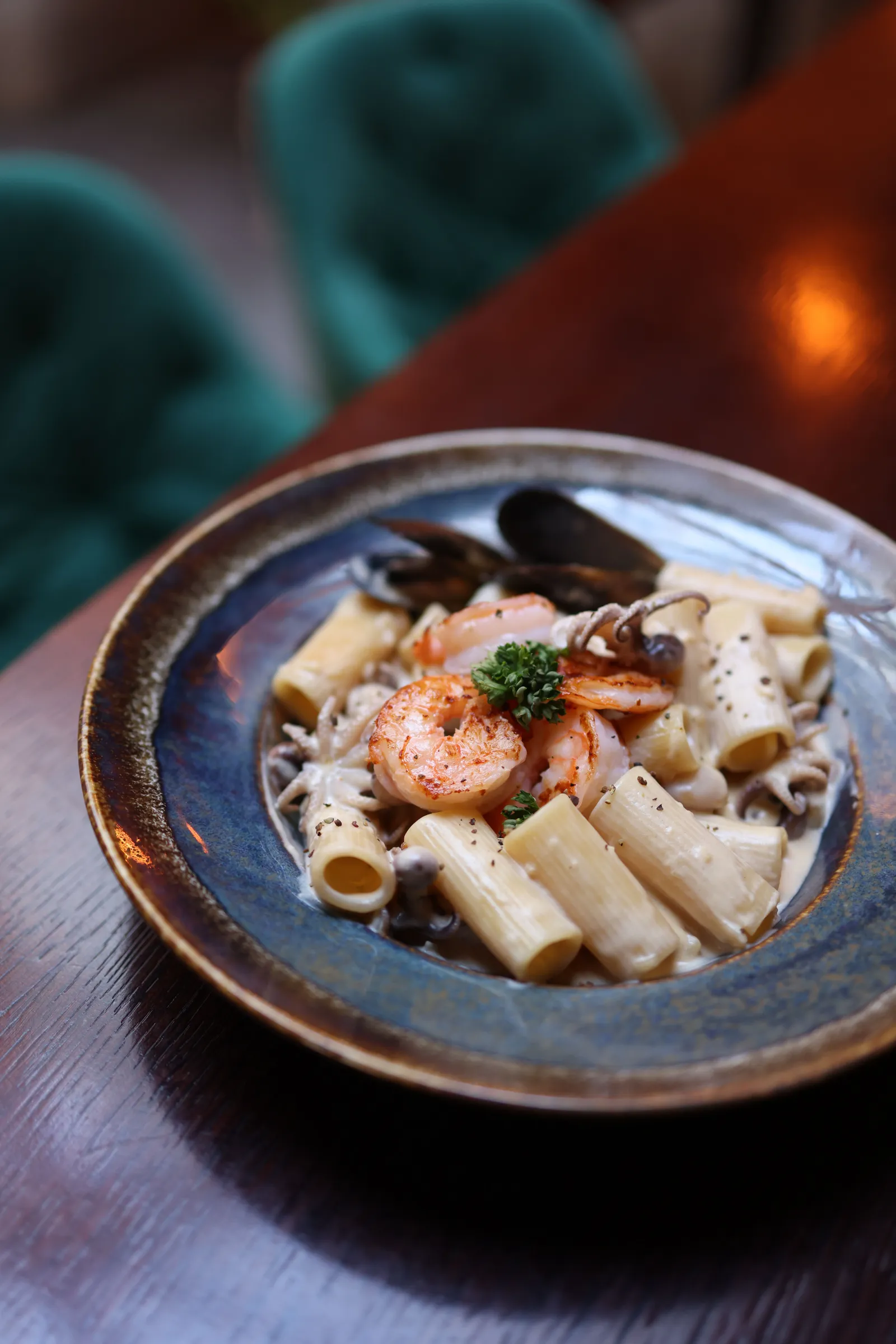
A Halifax chowder list rests on three tests, the spoon, the broth and the seafood, rated with a plus, a minus or a shrug. Chowder arrives with its own weather, whether you walk in from a wet Halifax street or sit in a fogged window, so be honest about the day.
Keep a line, not an essay, and write it before you leave the table. Think of each entry as a postcard to a friend, and keep your short list to three.
What goes into a Halifax chowder list?
Start by deciding what you are collecting. The simplest rule is one bowl per visit, and always the house seafood chowder, so that you set like against like. A Maritime chowder is a creamy soup of fish and shellfish with potato and onion, and some kitchens add scallops, mussels or lobster while others keep it to haddock and clams. Write the style next to the name, because a brothy bowl and a thick one should not be judged by the same yardstick.
Specials and fancy versions can go in a separate column. They are fun, but they muddy the comparison.
How to rate chowder with three tests
Skip long scorecards. Three tests are enough, and each takes a minute.
The spoon test comes first. Taste the broth alone, before you stir. Does it taste of the sea and of cream, or mostly of flour and salt? The catch test follows. Dig for the fish and shellfish and ask whether you can taste them, whether the pieces are generous and whether they are tender instead of rubbery. The second-bowl test comes last: if someone offered you another, would you say yes? That answer tells you more than any number.
Give each test a plus, a minus or a shrug, and add a few words.
How do you rate seafood chowder fairly?
Fairness is about habits. Order the same dish each time. Eat it at the temperature the kitchen sends it out, and notice if it arrives lukewarm. Taste it plain before you reach for crackers or bread. Take a sip of water between places if you are visiting more than one, and leave time to walk between stops, since rich soup dulls the palate fast.
Try not to let the room sway you. A cozy corner and a friendly server can lift a bowl, and a draughty seat can sink one. Note the room separately.
What belongs in your notes?
Keep a line, not an essay. Write the date, the name, the style and your three marks. Add one phrase you could say to a friend: generous with scallops, a little thin, worth a cold walk. Finish with the weather and your hunger, since both colour the verdict.
Do it before you leave the table. Two minutes later the details start to slide.
How does weather change a Halifax chowder ranking?
Quite a lot, and it is better to admit it. A Halifax chowder ranking built in January will favour thick, hot bowls, while one built in August may reward a lighter broth with more fish. If a bowl travelled in a takeout container, the cream may have split, and you should say so. Return to your top two or three on a different kind of day and see whether they hold. The ones that survive a sunny afternoon and a freezing one are the keepers.
Why not rely on a published ranking?
Because a ranking records someone else's bowl on someone else's day. The kitchen may have a new cook, the catch may have changed, and the writer may have been in the mood for something richer than you are. A ranking is a fine place to find names to try. It is a poor substitute for the notes you take yourself, which carry your own taste and your own weather. After a season of bowls you will know the Halifax kitchens that suit you better than any list could, and you will be able to say why in a sentence.
How do you share Halifax favourites?
Think of each entry as a postcard to a friend. It has a name, a reason and a warning if needed. Creamiest broth, scallops you could count, great with a biscuit, skip the crackers: these lines help someone choose in ten seconds.
Keep your short list to three. When you find a bowl that beats one of them, swap it in. If you have friends who love soup, hold a tasting where everyone brings a cup from a different counter and the table scores them without knowing which is which.
What else should you read around Halifax?
For a bite beyond the soup, the best lobster rolls in Halifax page covers the harbour classics, the best fish and chips in Halifax page covers fried haddock and the Atlantic Canada regional foods guide explains the dishes of the coast. The Canada guides page lists more cities.
How this works in the app: Make a list.
Your next wet afternoon is the perfect moment to begin. Download the Mosey app, rate each chowder on the broth, the catch and the second-bowl question, and keep a list of Halifax bowls that a friend could carry into any café with the harbour wind behind them.
Questions
Common questions
What goes into a Halifax chowder list?
Start by deciding what you are collecting. A list of seafood chowder is easier to compare than one that mixes clam, corn and fish, and specials and fancy versions can go in a separate column.
How do I rate chowder with three tests?
Skip long scorecards. The spoon test comes first, then the broth and the seafood. Give each test a plus, a minus or a shrug, and add a few words. Keep the notes short so that the list stays usable at the table.
How do I rate seafood chowder fairly?
Fairness is about habits. Order the same bowl each time and try not to let the room sway you. Taste the broth plain before you add pepper or crackers. Taste the broth plain first and write one line about the texture.
Does weather change a Halifax chowder ranking?
Quite a lot, and it is better to admit it. A bowl on a wet afternoon tastes different from the same bowl in sunshine, so note the weather beside the score.
How can I share my Halifax chowder list with friends?
Mosey is a food app for keeping track of where you have eaten, rating it by the dish and sharing the good places with friends. For Halifax chowder, build a list of the bowls you rate, invite friends to add theirs, rate each bowl by the dish and tag the room. Following friends shows what they rate.
More like this
Read next
Best Fish and Chips in Halifax: Where to Start
A guide to the best fish and chips in Halifax: haddock in batter, a Dartmouth lunch counter, harbour takeout and how to order a plate with confidence.
Best Lobster Rolls in Halifax: Where to Start
A guide to the best lobster rolls in Halifax: waterfront rooms and food court counters, a famous shack at Peggy's Cove and how to order a roll.
Brunch in Halifax: Where to Go
A guide to brunch in Halifax: North End bistros, waffles in the Hydrostone, cocktails with eggs, and how to handle the weekend line and track favourites.
Date Night Restaurants in Halifax: Waterfront and Downtown
A guide to date night restaurants in Halifax: harbour views, seafood, quiet rooms and booths, how to book and what to ask when you phone the restaurant.
